

Commercial Burglar Alarm Systems Installation
NYC’s Trusted Commercial Alarm Installer — Available Around the Clock.
From multi-zone intrusion detection and duress alarms to UL-listed monitoring, access control integration, and NFPA-compliant installations, our certified technicians protect businesses of any size — with after-hours installation and zero operational disruption.



Why Choose Lock & Tech USA
Since 1998, we’ve been securing homes and businesses across NYC and New Jersey with professional security solutions you can trust. Our licensed technicians provide 24/7 emergency service, using only the latest technology and backed by comprehensive warranties on all installations.


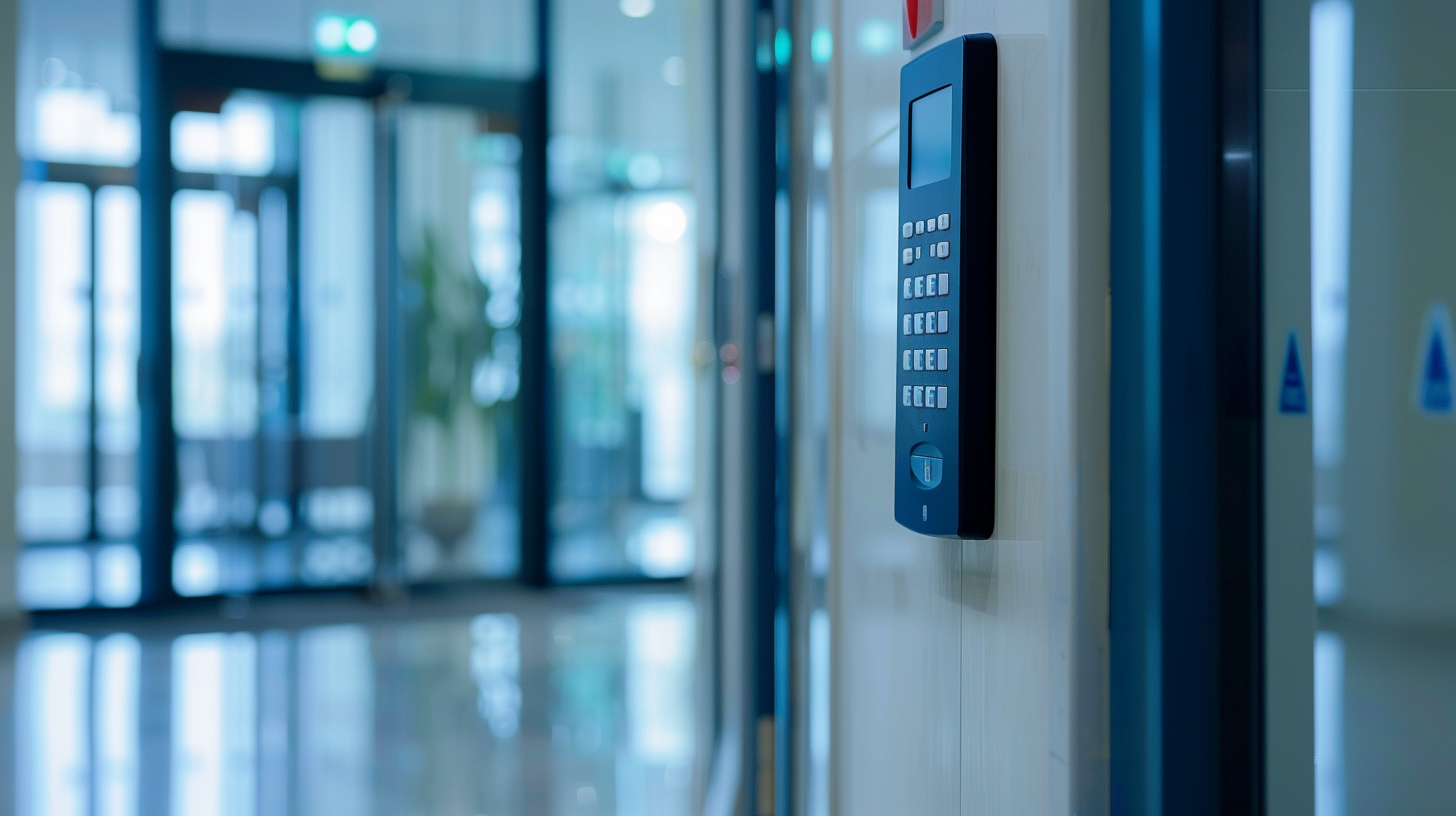
No Matter Your Business Alarm Need, You Can Count on Us
- You need a commercial alarm system installed across your entire facility
- Your business requires independent zone arming for different areas and shifts
- You need duress codes and hold-up buttons to protect employees during robberies
- Your system must meet NFPA 72, local fire code, and insurance requirements
- You want UL-listed 24/7 professional monitoring with priority police dispatch
- Your alarm needs integration with access control and badge reader systems
- You need opening and closing reports with automated manager notifications
- Your cameras and alarm must trigger recording simultaneously during intrusion events
- You need multi-user access levels for managers, key holders, and staff
- Your business is expanding and your current system can’t scale to new locations
- You need after-hours or weekend installation without disrupting daily operations
- You manage multiple locations and need centralized alarm management
Commercial Installation Process
Commercial alarm installations require specialized expertise addressing unique business requirements, operational constraints, and regulatory compliance needs.
Business Security Assessment
We conduct comprehensive security audits evaluating all entry points, high-value inventory locations, after-hours vulnerabilities, and employee access patterns. Assessment includes reviewing existing security measures, insurance requirements, regulatory compliance needs, and business-specific risk factors. This thorough analysis ensures alarm systems address actual vulnerabilities while meeting all operational and compliance requirements.
Scalable System Design
Commercial systems require design flexibility supporting current needs while accommodating future expansion. We specify control panels with capacity for additional zones, design network infrastructure supporting remote location integration, plan for user access level hierarchies, and incorporate reporting capabilities required for business management. System architecture ensures reliable operation across complex commercial environments.
After-Hours Installation
Most commercial installations occur outside business hours minimizing operational disruption. Our technicians work efficiently during evenings, weekends, or scheduled closures completing installation, testing, and commissioning before business reopens. This approach eliminates productivity losses while ensuring thorough installation quality.
Code Compliance and Certification
Commercial installations must meet local fire codes, building codes, and insurance requirements. We ensure all installations comply with NFPA 72 requirements, obtain necessary permits and inspections, provide documentation for insurance compliance, and coordinate with fire marshals and building officials. Proper compliance protects businesses from liability while ensuring insurance coverage validity.
Multi-Level User Training
Commercial systems require training for different user levels including managers, key holders, and security personnel. Training covers system arming and disarming procedures, responding to alarms and emergencies, user code management, generating reports and accessing logs, and troubleshooting common issues. Comprehensive training ensures all personnel understand their security responsibilities.
Enterprise Features for Business Security
Commercial alarm systems include advanced capabilities specifically designed for business environments requiring enhanced control, reporting, and management features.
Multi-User Access Control
Enterprise systems support hundreds of unique user codes with customizable access levels. Managers receive master codes allowing full system control, key holders get arming/disarming access, and employees receive limited access to specific zones or functions. Detailed logging tracks which users armed or disarmed systems and when, creating accountability and audit trails for security investigations.
Zone-Based Protection
Commercial properties divide into multiple security zones with independent arming capabilities. Retail stores can arm storage areas while keeping sales floors accessible. Warehouses protect perimeter zones while allowing interior operations. Office buildings secure executive floors while common areas remain open. This flexibility balances security with operational requirements.
Opening and Closing Reports
Automated reports document when businesses open and close daily, identifying which users armed and disarmed systems. Late openings or early closures trigger notifications to managers. These reports verify compliance with business procedures, identify employee attendance issues, and provide evidence for investigations. Many insurance policies require opening/closing reports for commercial coverage.
Duress and Hold-Up Alarms
Commercial systems include panic buttons and duress codes allowing employees to silently summon help during robberies or threatening situations. Duress codes appear to disarm systems normally while secretly triggering priority police response. Hold-up buttons at cash registers and reception areas provide discrete emergency notification. These features protect employees while preventing escalation during dangerous situations.
Advanced Communication Redundancy
Commercial installations require multiple communication paths ensuring alarm signals reach monitoring centers even during sophisticated intrusion attempts. Systems include primary cellular communication, backup internet connectivity, and tertiary landline as final backup. Communication supervision continuously verifies all paths remain operational, triggering alerts if any connection fails.
Central Station Monitoring Services
Professional monitoring provides critical response capabilities for commercial properties where after-hours intrusion poses significant financial and operational risks.
UL-Listed Central Stations
Commercial monitoring requires UL-listed central stations meeting stringent reliability and response standards. These facilities maintain redundant power, communication, and personnel ensuring 24/7 operation without interruption. UL certification often fulfills insurance requirements for commercial monitoring services, potentially reducing premium costs while ensuring quality response.
Priority Police Dispatch
Verified commercial alarms receive priority police response in most jurisdictions. Video verification, audio detection, or sequential sensor triggers confirm genuine intrusions before dispatch requests. This verification reduces false alarm responses while ensuring rapid response to actual break-ins. Many jurisdictions charge fees for false commercial alarms, making verification systems economically beneficial.
Key Holder Notification
Monitoring operators contact designated key holders when alarms trigger, following pre-programmed call lists until reaching responsible parties. Services include detailed alarm information, verification of police dispatch status, and coordination of on-site response. Automated text and email notifications supplement phone calls ensuring key holders receive immediate alarm notification regardless of availability.
Guard Response Integration
Many commercial properties integrate alarm systems with guard service providers. When alarms trigger, private security guards respond before or alongside police, securing properties and providing immediate assessment. Guards verify intrusion attempts, prevent further theft or damage, and coordinate with emergency responders. This integrated approach provides faster response than police-only monitoring.
Environmental Monitoring
Commercial monitoring extends beyond burglary to include fire, flood, temperature, and environmental hazards protecting business assets. Monitoring operators respond appropriately to each emergency type, dispatching appropriate emergency services. After-hours environmental alerts prevent catastrophic damage by enabling rapid response to water leaks, HVAC failures, or fire conditions before extensive damage occurs.
Business Systems Integration
Modern commercial alarm systems integrate with other business systems creating comprehensive security ecosystems that enhance both protection and operational efficiency.
Access Control Integration
Alarm systems coordinate with access control platforms creating unified security management. Badge readers automatically disarm alarm zones when authorized employees enter, while unauthorized access attempts trigger immediate alarms. Integration eliminates duplicate user databases, simplifies administration, and creates comprehensive security audit trails combining access and alarm events.
Video Surveillance Coordination
Alarm triggers automatically activate video recording on integrated cameras, capturing evidence of intrusion events. Cameras at armed entry points record brief video clips when alarms trigger, providing visual verification for monitoring operators and investigators. This integration reduces false alarm police dispatches while providing critical evidence for prosecutions and insurance claims.
Building Automation Connection
Alarm system status controls building automation functions including lighting, HVAC, and mechanical systems. Arming activates energy-saving modes, lowers thermostats, and reduces lighting. Disarming restores normal operational settings. This integration reduces energy costs while ensuring comfortable environments during business hours. Emergency alarm conditions can trigger specialized responses like elevator recall or door unlocking.
Point-of-Sale Integration
Retail alarm systems integrate with POS systems coordinating cash drawer closure with arming requirements. Systems prevent arming until all drawers close properly, ensuring proper closing procedures. Opening procedures automatically disarm specific zones while maintaining protection in other areas. This integration enforces security policies while preventing operational errors causing false alarms.
Network and IT Infrastructure
Modern commercial alarms operate over IP networks alongside business IT systems. We coordinate with IT departments ensuring proper network configuration, VLAN segmentation for security isolation, firewall rules allowing alarm communication, and backup power integration. Proper IT coordination ensures reliable alarm operation without compromising network security or performance.
Support and System Management
Commercial alarm systems require ongoing support and management ensuring reliable operation while adapting to changing business needs and regulations.
Remote System Management
Cloud-based management platforms allow complete system administration from anywhere. Authorized personnel can add or delete user codes, modify access schedules, generate activity reports, test system functionality, and update programming remotely. This capability eliminates service calls for routine changes while providing flexibility for businesses with multiple locations or remote management needs.
Preventive Maintenance Programs
Scheduled maintenance prevents system failures and ensures continued insurance compliance. Quarterly or annual inspections include sensor testing, battery replacement, communication verification, software updates, and full system functionality testing. Maintenance programs often fulfill insurance requirements while identifying potential issues before they cause failures during actual emergencies.
24/7 Technical Support
Commercial clients receive priority technical support with rapid response to system issues. Our technicians provide phone troubleshooting, remote diagnostics, and emergency on-site service when needed. Support includes assistance with false alarm prevention, user training, and system optimization. After-hours support ensures critical security issues receive immediate attention regardless of timing.
Compliance and Reporting
Commercial systems generate detailed reports required for insurance compliance, regulatory audits, and internal security reviews. Reports document alarm events, system testing, maintenance activities, user access patterns, and response procedures. Automated report generation and distribution ensures businesses maintain required documentation without administrative burden.
System Expansion and Upgrades
Growing businesses require alarm system expansion and enhancement. We provide seamless addition of zones for new spaces, integration of additional locations into unified management, technology upgrades maintaining existing infrastructure investments, and enhanced feature deployment as needs evolve. Scalable architecture protects initial investments while supporting growth.
Multi-Location Management
Businesses with multiple locations benefit from centralized alarm management. Single platforms monitor all sites simultaneously, standardized configurations ensure consistent protection, consolidated reporting provides enterprise-wide security visibility, and unified user management simplifies administration. This centralization reduces management complexity while ensuring comprehensive security across organizations.
- Free ConsultationSchedule a complimentary on-site assessment to discuss your security needs and concerns
- Custom DesignReceive a tailored security solution designed specifically for your property and budget
- Professional InstallationExpert technicians install your system with minimal disruption to your daily routine
- Testing & TrainingComprehensive system testing and hands-on training to ensure you're fully confident

What Our Clients Say


















Mon–Fri: 8 AM – 6 PM
Sat-Sun: Closed
1112 Quentin Rd, Brooklyn, NY 11229
1619 McDonald Ave, Brooklyn, NY 11230
245 E 115th St, New York, NY 10029
117 NJ-35 #11, Keyport, NJ 07735
