

Car Key Programming Locksmith
NYC’s Trusted Car Key Programming Locksmith — Available Around the Clock.
From transponder chip registration and smart key handshake protocols to proximity fob synchronization, all-keys-lost immobilizer resets, and luxury vehicle encrypted key programming, our certified technicians bring OBD-II programming equipment directly to your vehicle — no tow, no dealership, no delays.



Why Choose Lock & Tech USA
Since 1998, we’ve been securing homes and businesses across NYC and New Jersey with professional security solutions you can trust. Our licensed technicians provide 24/7 emergency service, using only the latest technology and backed by comprehensive warranties on all installations.


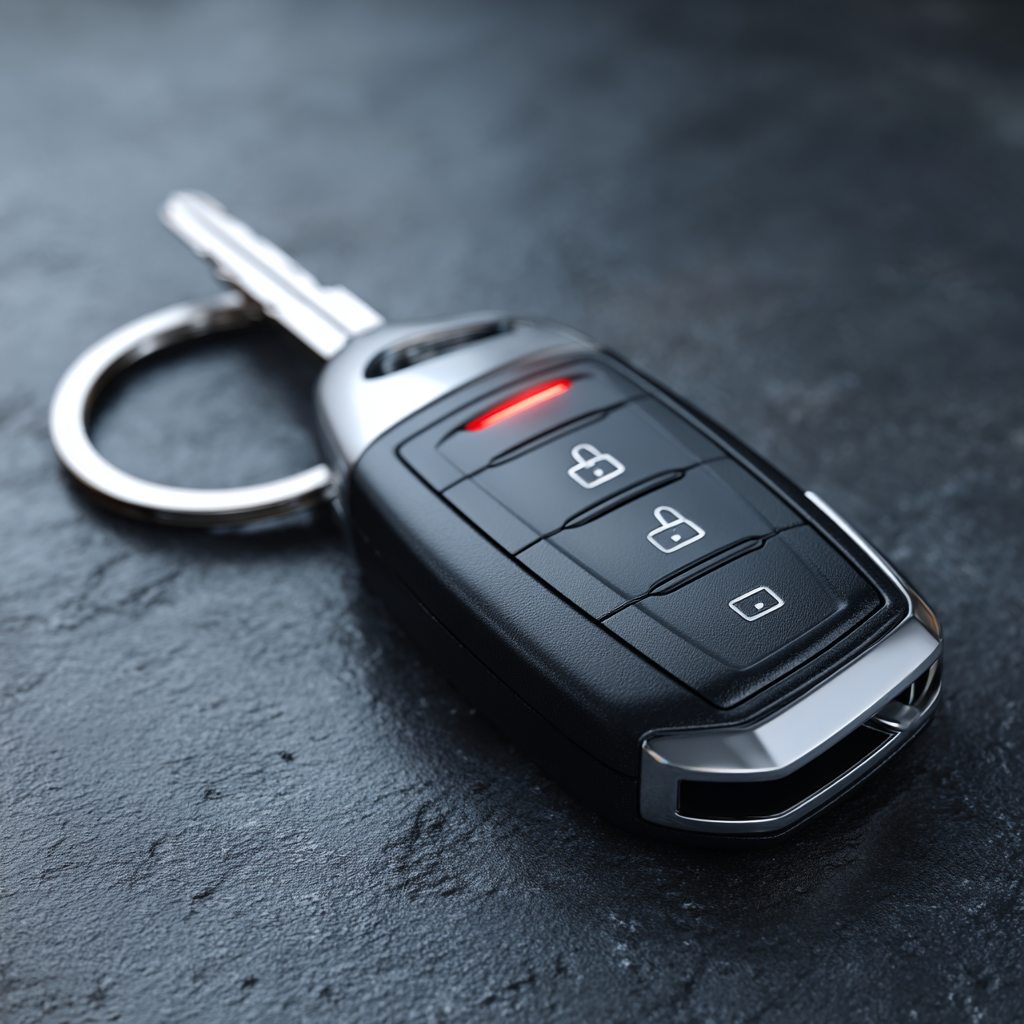
No Matter Your Car Key Programming Need, You Can Count on Us
- Your new key turns the ignition but the engine won’t start due to an unregistered chip
- You lost all keys and need an all-keys-lost immobilizer reset before new keys can be added
- Your smart key or push-to-start proximity fob needs full rolling-code synchronization
- You drive a BMW, Mercedes, Audi, or Lexus requiring brand-specific security handshake protocols
- Your vehicle is a post-2018 FCA or European model requiring security gateway authorization
- Your transponder chip failed and needs reprogramming or replacement to restore engine start
- You need a key fob paired to your vehicle’s receiver via OBD-II without a blade cut
- Your remote head key needs both transponder registration and fob pairing in one visit
- You have a laser-cut sidewinder key that needs both precision cutting and chip programming
- You want your lost or stolen keys deleted from the immobilizer memory before new ones are added
- You need programming performed at your location without towing the vehicle anywhere
- You want upfront pricing confirmed before the technician is dispatched — no on-site surprises
Why Car Key Programming Is Required and What Can Go Wrong Without It
Many drivers don’t realize that a physically correct key will still fail to start their car if the electronic component isn’t properly programmed. Understanding the technology helps you make informed decisions when choosing a locksmith that programs car keys.
How the transponder system works. Every modern vehicle contains an immobilizer — a security module that monitors whether the key in the ignition is transmitting the correct encrypted chip code. When you turn the key, the ignition coil reads the transponder chip. If the code matches a registered key in the immobilizer’s memory, the ECU authorizes the engine to start. If the code is absent or unrecognized, fuel delivery and ignition are blocked regardless of whether the key blade fits the cylinder.
Why a hardware store copy won’t start your car. Hardware stores and pharmacy kiosks cut keys by shape only — they produce an accurate blade duplicate but cannot program the transponder chip. The result is a key that opens the door and turns the ignition but leaves the car immobilized. This is one of the most common reasons people end up searching for a car key programming locksmith near me the same day they collected a supposedly complete copy.
What happens when a programmed key fails. Transponder chips fail due to water infiltration, physical impact, close proximity to strong magnets, or simple age-related component failure. When a chip fails, the immobilizer receives no signal and prevents engine start — even if the key has worked for years. Professional reprogramming or chip replacement restores normal operation without replacing the entire key or the ignition cylinder.
Smart keys and rolling code technology. Modern smart keys go beyond a static transponder code — they use rolling encryption where the code changes with every use, synchronized between the key and the vehicle’s BCM (Body Control Module). Programming a smart key requires manufacturer-specific software that performs the security handshake correctly. Using generic or outdated programming tools risks desynchronizing the BCM, which can create significantly more expensive repair scenarios.
The dealership versus locksmith programming difference. Dealerships and qualified locksmiths that program car keys both use OEM-level diagnostic tools — the difference is cost, convenience, and wait time. Dealers typically charge $150–$400 in programming labor alone, require you to bring the vehicle to their facility during business hours, and may need 24–72 hours to source key blanks. A certified locksmith near me for car key programming performs the same procedure at your location, at lower cost, usually the same day.
Key Types Our Car Key Programming Locksmith Services Cover
Different vehicles use fundamentally different key technologies, each requiring a specific programming approach. Our auto locksmith key programming near me service covers every type listed below.
Transponder Chip Keys (T-Keys)
Transponder keys are the standard for vehicles manufactured from the mid-1990s onward. The key head contains a passive RFID chip that responds to the ignition coil’s radio signal with an encrypted code. Programming involves connecting to the vehicle’s OBD-II diagnostic port and using manufacturer-specific software to register the new chip’s code to the immobilizer memory. We program transponder keys for all major domestic brands — Ford, Chevrolet, GMC, Dodge, Ram, Jeep, Chrysler, Cadillac, Buick — as well as Toyota, Honda, Nissan, Hyundai, Kia, Subaru, Mazda, Mitsubishi, and more.
Smart Keys and Intelligent Keys
Smart keys (also marketed as Intelligent Keys, Advanced Keys, or Comfort Access keys depending on the manufacturer) use low-frequency radio to communicate continuously with the vehicle’s antenna when in proximity. This enables keyless entry and push-button start without removing the key from your pocket. Programming smart keys requires a manufacturer-specific protocol involving multiple authentication handshakes between the key and the BCM. Our locksmith car key programming technicians carry the correct hardware and software for Toyota Smart Key, Honda Sensing, Nissan Intelligent Key, Hyundai Smart Key, Kia Smart Key, and equivalent systems from other brands.
Proximity Keys (Passive Entry Keys)
Proximity keys are the luxury segment’s standard, found in BMW Comfort Access, Mercedes-Benz KEYLESS-GO, Audi Advanced Key, Lexus Smart Access, and similar systems. These keys detect the vehicle when you approach and automatically unlock the doors; the engine starts with a button press as long as the key is inside the cabin. Programming these systems requires brand-specific diagnostic software and, in some cases, security access tokens that confirm the programming tool is authorized. Our car key programming locksmith near me service covers all major European and Asian luxury brands.
Remote Head Keys
Remote head keys integrate a transponder chip and a key fob remote into a single unit — common on many domestic vehicles from the 2000s and 2010s. Programming involves two procedures: transponder chip registration for ignition authorization, and remote receiver pairing for keyless entry. Both are performed in a single visit. Our locksmith that programs car keys handles combined chip-and-remote programming for all remote head key systems.
Key Fobs and Remote Controls
Standalone key fobs without a blade — used as the sole access device on push-to-start vehicles or as supplementary remotes on traditional key vehicles — require radio frequency pairing to the vehicle’s receiver module. Some fob programming is owner-performed using button sequences described in the owner’s manual. When that process fails, or when security restrictions prevent self-programming, our auto locksmith key programming near me team performs the pairing via OBD-II in minutes.
High-Security Laser-Cut Keys with Transponders
Sidewinder (laser-cut) keys combine a high-security mechanical cut on both blade faces with an embedded transponder chip. Common on Volkswagen, Audi, BMW, Mercedes-Benz, Volvo, Land Rover, Porsche, and increasingly on newer domestic models, these keys require both a precision laser-cut machine and transponder programming. Our locksmith near me car key programming service handles both steps in a single mobile visit.
Chip Keys Without a Remote
Some vehicles use a basic chip key — a transponder in the key head with no remote functions — as a cost-reduction measure. These are common on entry-level vehicles and older mid-range models. Programming is straightforward but still requires OBD-II access or a key-learning sequence, depending on the vehicle. We program chip keys for all makes and model years where this format is used.
VAT / VATS Keys (Older GM Vehicles)
GM vehicles from the late 1980s through early 2000s use a Vehicle Anti-Theft System key with a resistor pellet embedded in the blade. The ignition reads the resistor value; if it doesn’t match, the starter is disabled. Replacement requires matching the resistor value precisely. Our locksmith car key programming technicians carry a full resistor kit and read the correct value from the vehicle’s VATS module before cutting and fitting the replacement.
How Car Key Programming Works — Step by Step
Understanding what actually happens during a car key programming locksmith near me visit helps set accurate expectations. Here is the complete technical process our technicians follow.
Step 1: Vehicle identification and key type confirmation. Before cutting or programming begins, the technician confirms the exact programming procedure for your vehicle using the year, make, model, and VIN. Different trim levels and model years sometimes use different immobilizer generations — correct identification prevents programming errors. The VIN is cross-referenced against our programming database to confirm the exact procedure, required software version, and any known brand-specific quirks.
Step 2: Ownership verification. A locksmith that programs car keys is accessing your vehicle’s core security system. Before any programming tool is connected, the technician verifies ownership via vehicle registration, title, or insurance card in your name, plus government-issued photo ID. This step is non-negotiable and protects every vehicle owner in New York.
Step 3: Key blank selection and cutting (if applicable). For replacement key jobs, the technician selects the correct blank from the van’s inventory and cuts it to factory specifications before programming begins. For fob-only jobs where the blade already exists, this step is skipped. Cutting is completed and the blade is test-fitted in the door lock before the electronic step begins — a miscut discovered after programming would require starting over.
Step 4: OBD-II connection and security access. The programming hardware is connected to the vehicle’s OBD-II diagnostic port, typically located under the dashboard on the driver’s side. The software establishes communication with the vehicle’s BCM or immobilizer module. For vehicles with security gateway restrictions — including many post-2018 Fiat Chrysler vehicles and some European brands — the technician uses an authorized security bypass token to gain programming access. Unauthorized bypass attempts on these vehicles can trigger permanent ECU lockout.
Step 5: Key registration to the immobilizer. The new key’s chip code is registered to the vehicle’s immobilizer memory. Depending on the vehicle, this may involve reading the immobilizer’s PIN code from the ECU, performing a handshake sequence, or using a seed-key algorithm to generate the correct authorization code. Smart key and proximity key systems perform additional rolling-code synchronization at this stage. The number of keys that can be registered varies by vehicle — typically between 4 and 8, though some systems allow only 2.
Step 6: All-keys-lost procedure (when applicable). When no working keys remain, some vehicles require a specific all-keys-lost programming mode that resets the immobilizer’s registered key list before new keys can be added. This procedure is more time-consuming — typically 30–60 minutes longer than adding a key alongside an existing working key — and may require the vehicle to be powered through specific sequences. Our auto locksmith key programming near me technicians are trained in all-keys-lost procedures for all major platforms.
Step 7: Function test and verification. After programming is complete, every function is tested: the key starts the engine reliably from cold, all remote functions operate correctly, the immobilizer does not trigger false lockouts, and — for smart keys — the proximity detection range is confirmed. The technician performs at least three cold-start cycles before signing off. You receive a service receipt documenting the programming procedure, chip codes registered, and the number of active keys now in the vehicle’s memory.
Vehicles Our Car Key Programming Locksmith Services Cover
Our locksmith near me car key programming team is equipped for the full spectrum of vehicles on New York roads. The list below covers the most frequently requested makes — if your vehicle is not listed, call us to confirm coverage before scheduling.
Domestic brands. Ford, Lincoln, Chevrolet, GMC, Buick, Cadillac, Dodge, Ram, Jeep, Chrysler, and older GM VATS/PASS-Key vehicles. We cover Ford PATS (Passive Anti-Theft System), GM PassLock, and Chrysler SKREEM/SKIM programming across all model years.
Japanese brands. Toyota, Lexus, Honda, Acura, Nissan, Infiniti, Subaru, Mazda, Mitsubishi, and Suzuki. We cover Toyota’s G and H chip systems, Honda’s immobilizer generations 1 through 5, and Nissan’s 40/80-bit transponder systems.
Korean brands. Hyundai and Kia across all model years including current-generation vehicles with encrypted smart key systems.
German and European brands. BMW (including EWS 2, 3, and 4 systems and CAS modules), Mercedes-Benz (EIS/EZS systems and KEYLESS-GO), Audi and Volkswagen (MQB and older Megamos systems), Porsche, Volvo, Land Rover, Jaguar, and MINI. European vehicle programming requires brand-specific diagnostic software and, for current models, security gateway authorization.
Other European and specialty brands. Fiat, Alfa Romeo, Maserati (where applicable), Peugeot, Renault, Citroën (for import vehicles in the New York market). Confirm availability for rare or grey-market European models.
Classic and vintage vehicles. Pre-transponder vehicles (generally pre-1995 domestic, pre-1998 for most imports) require no electronic programming — key cutting alone is sufficient. We service classic vehicles requiring precision cuts on original key profiles that are no longer available at standard key kiosks.
Why Choose Lock and Tech USA for Car Key Programming
OEM-level programming tools — not aftermarket workarounds. There is a significant difference between professional OBD-II programming platforms used by certified locksmiths and cheap aftermarket devices sold to consumers. Professional tools maintain current software licenses, support security gateway protocols on modern vehicles, and perform full handshake sequences that prevent ECU desynchronization. Our auto locksmith key programming near me service uses the same category of tools as authorized dealerships.
Licensed technicians with manufacturer-specific training. Our locksmiths that program car keys hold New York State locksmith licenses and maintain active certifications on the programming platforms they operate. Manufacturer-specific training means the technician working on your BMW understands BMW’s CAS module architecture — not just generic OBD-II procedures that may technically complete but leave the system in an unstable state.
Mobile service — programming at your location. Transponder and smart key programming requires the vehicle to be present regardless of who performs the service — the OBD-II connection is non-negotiable. The distinction is whether the vehicle comes to the shop or the programming unit comes to the vehicle. Our car key programming locksmith near me service brings everything to you, eliminating the tow cost and the scheduling inconvenience.
Faster and less expensive than the dealership. Dealer programming labor typically runs $150–$400 on top of key costs, requires an appointment during business hours, and may include a multi-day wait for key blanks to arrive. Our locksmith near me car key programming service provides the same quality programming in a single mobile visit at 30–50% lower total cost, available 24/7 including nights and weekends.
Transparent pricing confirmed before dispatch. We quote before the technician leaves the facility. No meter running, no surprise fees for vehicle complexity discovered on arrival, and no upcharges added after the job is complete. The price you receive on the phone is the price on your invoice.
Security procedures included as standard. When programming replacement keys after a loss or theft, we proactively offer to delete previously registered keys from the immobilizer’s memory — ensuring the missing key can no longer start the vehicle. Many locksmith services skip this step. We treat it as a standard part of any replacement programming job.
Car Key Programming Locksmith Pricing Guide
Programming costs depend on the key type, vehicle make and model, security system generation, and whether the service is performed alongside an existing working key or as an all-keys-lost procedure. All prices below are typical New York metro ranges. Exact quotes are confirmed before dispatch.
Transponder key programming (with existing key) — $100–$200. Adding a new transponder key to the immobilizer while an existing working key is present. Fastest and least expensive programming scenario.
Transponder key programming (all keys lost) — $175–$300. All-keys-lost procedure requires immobilizer reset before new key registration. Additional time and software steps apply. Price includes VIN-based key origination if no blank is being brought by the customer.
Smart key / proximity key programming — $200–$450. Includes manufacturer-specific handshake protocols, rolling-code synchronization, and full function testing. Luxury and current-generation European vehicles fall toward the upper end of this range.
Key fob programming only (no blade) — $75–$175. Remote receiver pairing for keyless entry fobs via OBD-II or manufacturer button sequence where applicable.
Remote head key (chip + fob combined) programming — $150–$275. Transponder registration and remote pairing performed in a single visit.
High-security laser-cut key with transponder — $200–$375. Includes sidewinder key cutting on both blade faces and transponder programming. Common on European vehicles and newer domestic models.
VATS/VAT key (older GM vehicles) — $125–$225. Includes resistor value reading, correct-value key cutting, and VATS system testing.
Security gateway authorization (post-2018 FCA and some European vehicles) — +$50–$100. Additional fee for vehicles requiring authorized security bypass tokens to access the immobilizer module for programming.
After-hours and emergency programming premium — +$50–$100. Applied to services outside standard hours. Always disclosed before dispatch.
Note: Programming cost is separate from key cutting cost when both services are performed. Combined key cutting and programming is less expensive than ordering each as a separate service call. Ask about same-visit discounts when ordering multiple keys.
Frequently Asked Questions
What is car key programming and why do I need it?
Car key programming is the process of registering a new key’s electronic chip to your vehicle’s immobilizer system. Without this step, the key blade may fit and turn the ignition, but the engine will not start because the immobilizer doesn’t recognize the chip. Any vehicle manufactured after approximately 1995 requires programming when a new or replacement key is added.
How do I find a locksmith near me for car key programming?
Call Lock and Tech USA at (877) 715-6252. We dispatch a certified auto locksmith key programming near me technician to your location across all five NYC boroughs, Long Island, Westchester, and New Jersey, typically within 30–60 minutes. We confirm blank and software availability for your specific vehicle before dispatch so there are no wasted visits.
Can any locksmith program car keys, or does it require a specialist?
Not every locksmith is equipped or certified for car key programming. Standard residential or commercial locksmiths may handle basic transponder keys but often lack the manufacturer-specific software and hardware required for smart keys, proximity systems, and post-2018 vehicles with security gateway restrictions. Our team specifically focuses on automotive key programming and maintains current certifications across all major platforms.
How long does car key programming take?
Basic transponder programming with an existing key present typically takes 15–25 minutes. All-keys-lost procedures run 30–60 minutes longer due to the immobilizer reset sequence. Smart key and proximity key programming takes 30–50 minutes. Complex luxury vehicle systems with multiple security handshakes may require up to 90 minutes. Exact timing is provided when you describe your vehicle on the call.
Can a locksmith program a key if I have no working keys at all?
Yes. This is the all-keys-lost scenario and requires a specific procedure: the immobilizer is first reset to clear the registered key list, then new keys are added from scratch using VIN-based key code access and manufacturer PIN recovery. It takes longer and costs more than adding a key when a working key is present, but it is fully achievable without towing the vehicle to a dealer.
Will aftermarket or dealership-cut keys work if I bring them to you for programming?
Yes, provided the blank is the correct profile for your vehicle and the chip type matches your immobilizer’s requirements. If you have a key cut elsewhere and only need programming, we can program it during a dedicated programming-only service call. Confirm the blank type when you call so the technician can verify compatibility before arriving.
Is car key programming safe for my vehicle’s electronics?
When performed by a certified locksmith using current, manufacturer-authorized software, car key programming carries essentially no risk to your vehicle’s electronics. The risk comes from using outdated or unlicensed programming tools, which can send incorrect data to the BCM or immobilizer. Our OBD-II platforms maintain current software licenses and manufacturer compatibility, eliminating this risk.
How much does a locksmith charge for car key programming near me in New York?
Transponder programming with an existing key runs $100–$200. All-keys-lost transponder programming is $175–$300. Smart key and proximity key programming ranges from $200–$450. Exact pricing is confirmed on the phone before dispatch based on your specific vehicle. There are no on-site surprise charges.
- Free ConsultationSchedule a complimentary on-site assessment to discuss your security needs and concerns
- Custom DesignReceive a tailored security solution designed specifically for your property and budget
- Professional InstallationExpert technicians install your system with minimal disruption to your daily routine
- Testing & TrainingComprehensive system testing and hands-on training to ensure you're fully confident
What Our Clients Say

















Mon–Fri: 8 AM – 6 PM
Sat-Sun: Closed
1112 Quentin Rd, Brooklyn, NY 11229
1619 McDonald Ave, Brooklyn, NY 11230
245 E 115th St, New York, NY 10029
117 NJ-35 #11, Keyport, NJ 07735
