Choosing the right security camera system for your business is one of the most important decisions you will make when it comes to protecting your property, assets, and employees. Two main types of surveillance cameras dominate the commercial security market today, and each offers distinct advantages and limitations. Understanding the differences between IP cameras and analog cameras will help you make an informed decision that aligns with your business needs, budget, and future growth plans.
The debate between IP and analog cameras has evolved significantly over the past decade. While analog cameras were once the industry standard, IP technology has gained tremendous ground, offering features that were impossible with traditional systems. However, this does not mean analog cameras are obsolete. Many businesses still find value in analog systems, particularly when budget constraints or specific infrastructure requirements come into play.
Understanding Analog Camera Systems
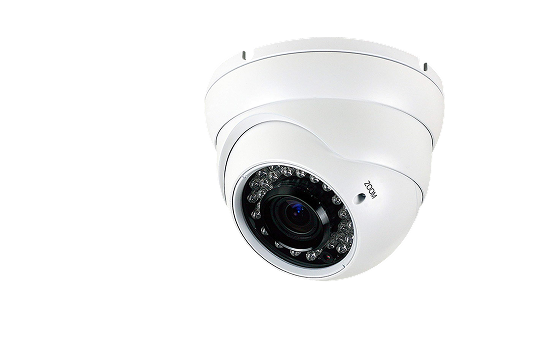
Analog cameras have been the backbone of security surveillance for decades. These traditional cameras capture video footage and transmit it through coaxial cables to a Digital Video Recorder or DVR. The technology is straightforward, proven, and familiar to many business owners and security professionals.
How Analog Cameras Work
Analog cameras convert visual information into analog signals that travel through coaxial cables to a recording device. The DVR then converts these analog signals into digital format for storage and playback. This system has remained relatively unchanged for years, which speaks to its reliability and simplicity.
The maximum resolution of traditional analog cameras is typically limited to standard definition or 720p. However, newer HD analog technologies like HD-TVI, HD-CVI, and AHD have pushed these limits higher, offering resolutions up to 1080p or even 4K in some cases. These hybrid solutions attempt to bridge the gap between traditional analog systems and modern IP technology.
Advantages of Analog Systems
Analog camera systems offer several benefits that make them attractive for certain business applications. The upfront cost is generally lower compared to IP systems, making them accessible for businesses with tight security budgets. Installation is straightforward, and many security professionals have extensive experience working with analog equipment.
Existing infrastructure can often be leveraged when upgrading older analog systems. If your building already has coaxial cable runs in place, replacing cameras becomes simpler and less expensive. The technology is also very stable with minimal network complications, as these systems do not rely on internet connectivity or complex network configurations.
Understanding IP Camera Systems
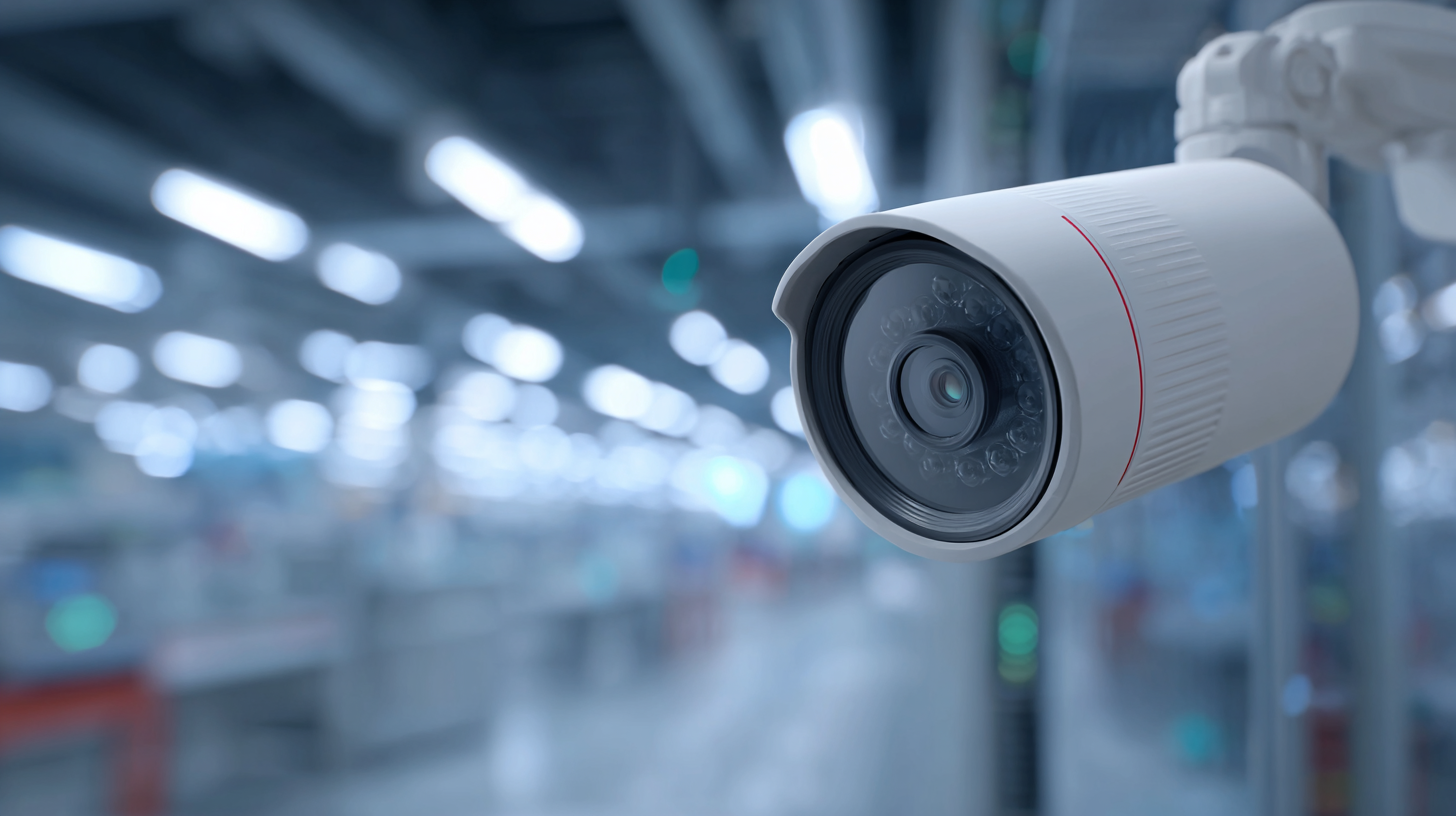
IP cameras represent the modern evolution of surveillance technology. These digital cameras capture video footage and transmit it over computer networks using Internet Protocol, the same technology that powers your email, websites, and other online communications.
How IP Cameras Work
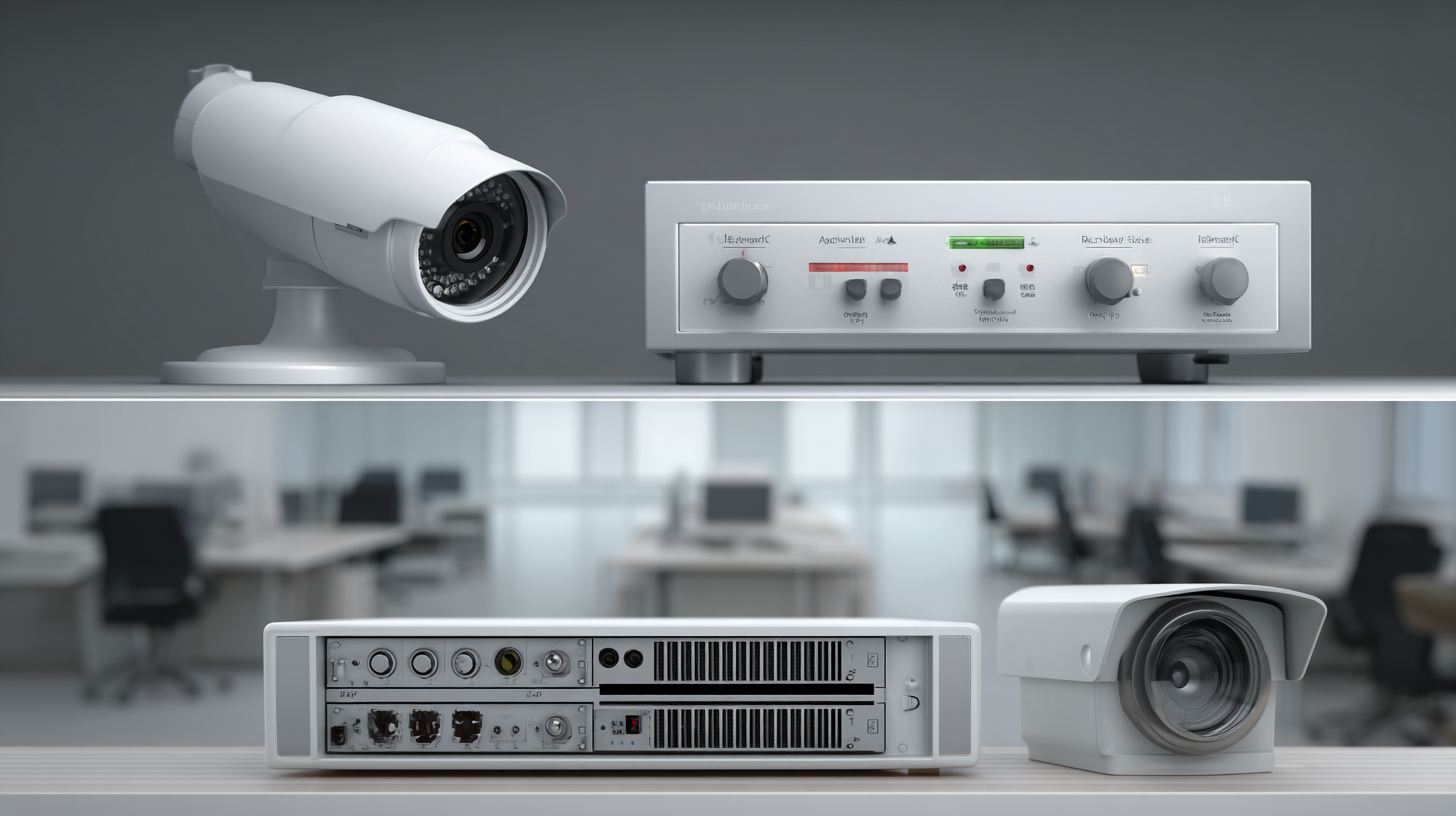
IP cameras have built-in processors that digitize video footage at the camera itself. This digital signal is then transmitted over standard network cables like Cat5e or Cat6 to a Network Video Recorder or NVR, or even directly to cloud storage. Many IP cameras also support Power over Ethernet or PoE, which allows a single cable to provide both power and data transmission.
The resolution capabilities of IP cameras far exceed analog systems. While analog cameras max out at 4K in the best cases, IP cameras routinely offer 4K, 8K, and higher resolutions with exceptional clarity and detail. This makes them ideal for applications where identifying faces, license plates, or other fine details is critical.
Advantages of IP Systems
IP camera systems deliver numerous benefits that align with modern business security needs. The superior image quality provides crystal clear footage that can be crucial for investigations and evidence collection. Advanced features like video analytics, facial recognition, license plate recognition, and motion detection zones offer intelligent monitoring that goes beyond simple recording.
Remote access is seamless with IP systems. Business owners and security managers can view live footage and recorded video from anywhere using smartphones, tablets, or computers. The scalability of IP systems is also superior, as adding cameras to the network is relatively simple without the need for extensive new cabling.
Integration capabilities set IP cameras apart from their analog counterparts. These systems can easily connect with access control, alarm systems, and other security technologies to create a comprehensive security ecosystem. Many IP cameras also offer better low light performance and wide dynamic range, capturing usable footage in challenging lighting conditions.
Key Differences Between IP and Analog Cameras
Understanding the fundamental differences between these two technologies will help you evaluate which system best meets your business requirements.
Image Quality and Resolution
IP cameras deliver significantly higher resolution compared to analog systems. While analog cameras typically range from 480p to 1080p, with some HD-TVI systems reaching 4K, IP cameras routinely offer 4K resolution and beyond. This translates to clearer images, better digital zoom capabilities, and more effective identification of people and objects.
Installation and Infrastructure
Analog cameras require coaxial cables for video transmission and separate cables for power. IP cameras use standard network cables and can receive both power and data through a single PoE cable. This simplifies installation and reduces cable clutter, though it does require a network infrastructure capable of handling video traffic.
Cost Considerations
Initial costs for analog systems are generally lower. Cameras, DVRs, and installation tend to be less expensive upfront. However, IP systems often prove more cost effective over time due to easier expansion, reduced maintenance, and lower long term operational costs. The ability to use existing network infrastructure can also offset some of the initial investment.
Storage and Management
Analog systems store footage on DVRs with limited built-in storage that often requires physical hard drive expansion. IP systems offer flexible storage options including NVRs, network attached storage, and cloud based solutions. This flexibility allows businesses to scale storage according to their retention requirements and budget.
Which System Is Right for Your Business?
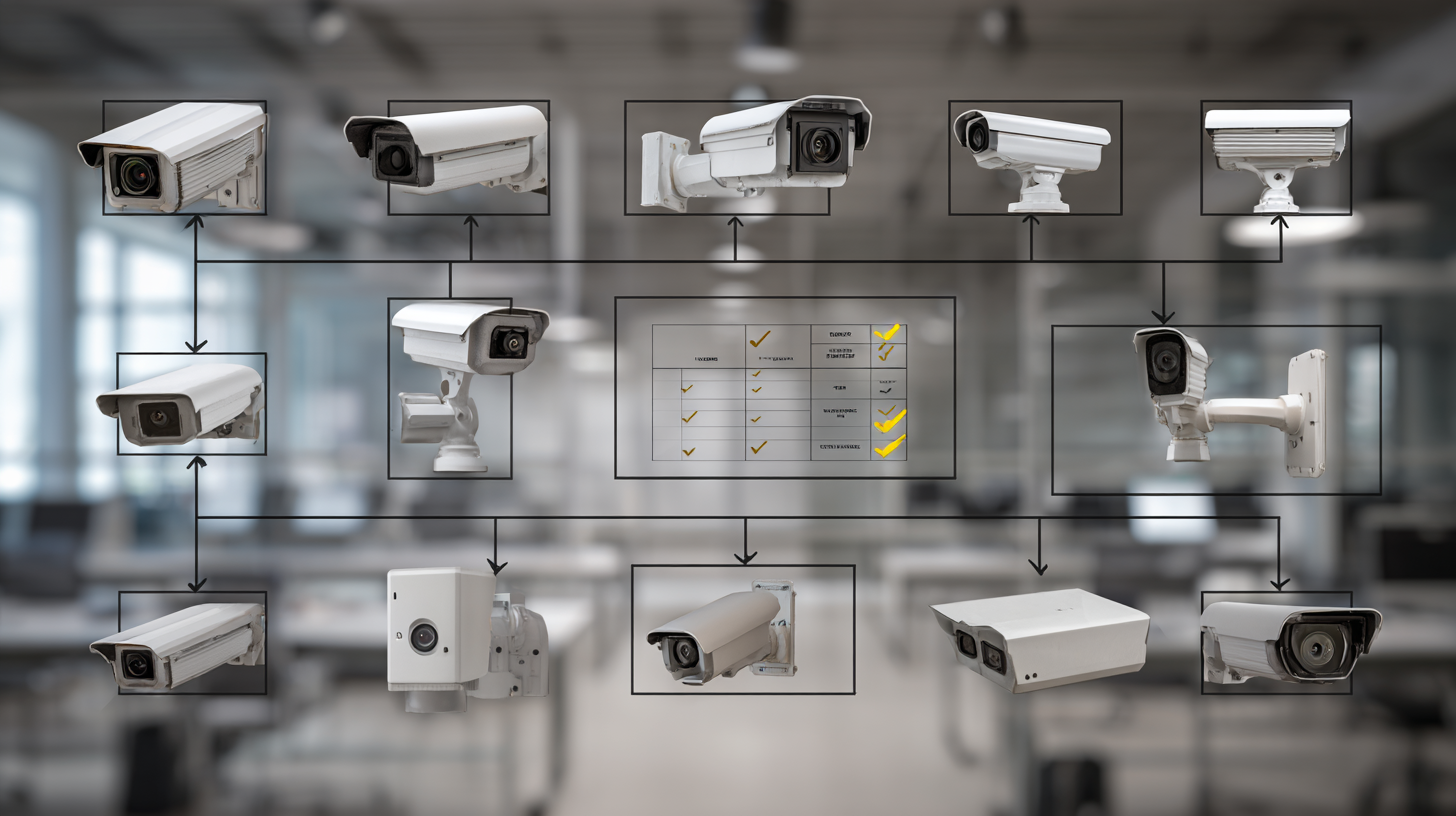
Selecting between IP and analog cameras depends on several factors specific to your business situation, security needs, and future plans.
- Small businesses with basic security needs and limited budgets may find analog systems sufficient. If you need simple monitoring of entry points, cash registers, or storage areas without advanced features, analog cameras can provide reliable coverage at an affordable price.
- Growing businesses planning to expand should seriously consider IP systems. The scalability and flexibility of IP technology makes it easier to add cameras and integrate new security features as your business grows.
- Businesses requiring high detail surveillance, such as retail stores needing facial recognition or parking facilities requiring license plate capture, will benefit from the superior resolution of IP cameras.
- Companies with existing analog infrastructure can upgrade gradually by incorporating HD analog technologies or transitioning to IP cameras over time. Hybrid systems allow you to leverage existing coaxial cables while adding IP cameras where enhanced performance is needed.
- Organizations prioritizing remote monitoring and mobile access will find IP systems essential. The ability to check live footage from smartphones and receive instant alerts provides peace of mind and rapid response capabilities.
Frequently Asked Questions
Can I mix IP and analog cameras in the same system?
How much storage do IP cameras require compared to analog?
Do IP cameras require an internet connection to work?
What resolution do I need for facial recognition?
Can I upgrade from analog to IP without replacing all cabling?
What is the typical lifespan of a security camera?
Making the Right Investment
Your security camera system represents a significant investment in protecting your business. Both IP and analog technologies have their place in commercial security, and the right choice depends on your specific circumstances.
Consider your current needs alongside future growth plans. Evaluate your existing infrastructure and budget for both initial installation and ongoing maintenance. Think about the level of detail you need in your footage and whether advanced features like analytics or integration with other systems would benefit your operations.
Working with experienced security professionals like Lock and Tech ensures you receive expert guidance tailored to your unique situation. Professional