
What Is a Key Fob
A key fob is a compact, battery-powered device containing a microchip, a radio transmitter, and one or more buttons. When activated, it sends an encrypted radio frequency signal to a paired receiver, which then triggers a specific action — unlocking a car door, disabling an alarm, or opening a building entrance.
The term “fob” originally referred to a small ornament attached to a key ring. In modern usage, it describes any compact electronic device used for keyless authentication. The physical size is typically that of a small remote control, designed to fit on a keychain.
Key fobs operate on radio frequencies in the range of 315 MHz (common in North America) or 433.92 MHz (common in Europe). Building access fobs often use 125 kHz (low-frequency RFID) or 13.56 MHz (high-frequency smart card technology).
How Does a Key Fob Work
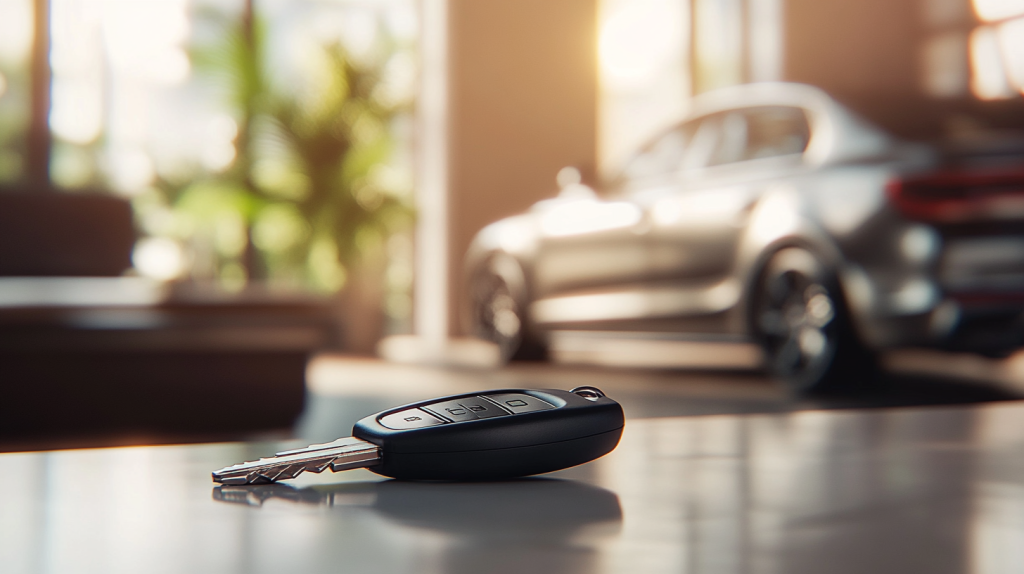
A key fob works by transmitting a coded radio frequency signal to a receiver when a button is pressed or when the fob comes within range of a compatible reader. The receiver decodes the signal, verifies the credentials, and either performs the requested action or denies access.
The core security mechanism in modern key fobs is rolling code technology, also called hopping code. Each time the fob transmits a signal, it generates a new unique code from a synchronized sequence shared between the fob and the receiver. The receiver only accepts the next expected code in the sequence, making it impossible for an attacker to capture and replay a signal to gain unauthorized access.
Transponder-based fobs add a second layer of authentication. In addition to the RF signal, the fob contains a microchip that exchanges an encrypted handshake with a reader in the vehicle or door. The system will not unlock or start unless both the radio signal and the transponder chip are authenticated.
Proximity fobs — also called passive fobs or smart keys — work without button presses. They continuously broadcast a low-power signal. When the fob enters the detection range of a reader (typically 1–5 meters), authentication happens automatically and the system unlocks.
Types of Key Fobs
Key fobs are divided into types based on the authentication method they use and the system they are designed to control.
Remote key fob is the most basic type. It contains a radio transmitter and physical buttons that the user presses to lock, unlock, or open a trunk. The fob sends a signal only when a button is pressed. Most vehicles manufactured after the mid-1990s include this type.
Transponder key fob combines a remote with an embedded microchip. When the key is inserted into the ignition, the chip communicates with the car’s immobilizer system. The engine will not start unless the transponder chip transmits the correct encrypted code. Vehicles built after 2000 widely use transponder systems as an anti-theft measure.
Smart key / proximity fob is a passive device that does not require button presses. The driver carries it in a pocket or bag, and the car detects its presence automatically. Door handles unlock on touch, and the engine starts with a push-button start. Luxury and modern mid-range vehicles commonly use this system.
RFID access fob is used in building and facility access control rather than automotive applications. It contains an RFID chip that responds to a reader’s electromagnetic field. When held near a reader, it transmits a stored credential code. These fobs are standard in offices, apartment buildings, parking garages, and gyms.
Key Fob Security: How It Prevents Unauthorized Access
Modern key fobs use rolling code technology to prevent signal cloning and relay attacks. Each transmission uses a one-time code that cannot be reused, so capturing the signal with a radio scanner does not allow an attacker to replay it and gain access.
Transponder chips add encrypted two-way communication between the fob and the vehicle’s or building’s control system. The handshake uses cryptographic algorithms that are specific to each paired device, making it extremely difficult to duplicate the credential without specialized equipment and access to the original system.
Despite these protections, key fobs have known vulnerabilities. Relay attacks amplify the signal from a fob stored indoors, tricking a nearby vehicle into thinking the fob is present and unlocking the doors. This technique is commonly used in car thefts in residential areas. Storing key fobs in a signal-blocking pouch (a Faraday bag) when at home eliminates this risk.
Signal jamming is another vulnerability — an attacker can block the lock signal without the owner noticing, leaving the car unlocked. Visually confirming that the car has locked after pressing the fob button prevents this.
Common Key Fob Problems and What Causes Them
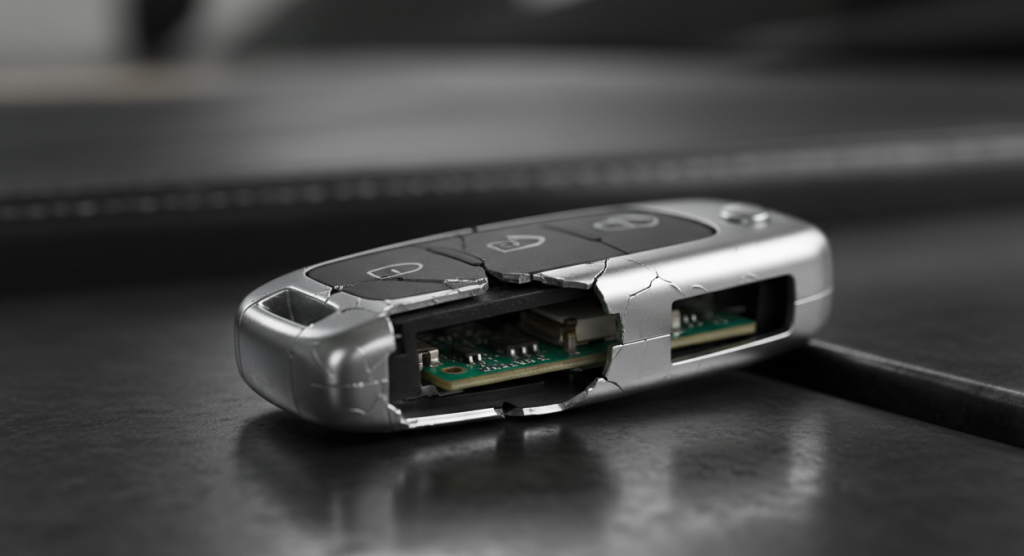
Most key fob failures fall into three categories: dead battery, signal desynchronization, and physical damage.
Dead battery is the most frequent cause of key fob failure. Most fobs use a CR2032 or similar coin cell battery with a lifespan of one to three years depending on usage frequency. Symptoms include reduced range, intermittent response, or complete failure. Replacing the battery resolves the issue in the majority of cases.
Signal desynchronization occurs when the fob and receiver fall out of sync — typically after the battery is replaced, after the fob button is pressed many times outside of range, or after a system reset. The fob transmits a signal but the receiver no longer recognizes it. Reprogramming the fob to the vehicle or access system restores synchronization.
Physical damage to the internal circuit board — caused by dropping the fob, water exposure, or extreme heat — can render it non-functional. In many cases the fob casing cracks, the buttons stop responding, or the chip is damaged. A damaged fob requires replacement rather than repair.
Antenna or receiver issues on the vehicle or door reader side can also cause intermittent fob failures. If a replacement battery does not fix the problem and the fob works in close proximity but not at normal range, the issue may be with the receiver rather than the fob itself.
Frequently Asked Questions
What is the difference between a key fob and a transponder key?
A key fob is a remote control device that sends a radio signal to lock or unlock a car or building door. A transponder key contains an embedded microchip that communicates with the vehicle’s immobilizer system when inserted into the ignition. Many modern car keys combine both functions in a single device — a remote fob with an integrated transponder chip.
Can a key fob be copied or duplicated?
Basic RFID fobs used in building access systems can often be duplicated using commercial copying equipment. Automotive transponder fobs and smart keys use encrypted rolling codes that prevent simple copying — replacement requires programming a new fob to the specific vehicle using manufacturer-level diagnostic tools.
How do I know if my key fob battery is dead?
A dying key fob battery typically shows as reduced range — the fob only works when held very close to the lock or reader. Other signs include having to press the button multiple times for the car to respond, or the fob becoming completely unresponsive. Replacing the battery with a fresh CR2032 or equivalent coin cell resolves the issue in most cases.
What happens if I lose my key fob?
A lost car key fob should be replaced and the old fob deactivated from the vehicle’s system to prevent unauthorized use. For building access fobs, the lost credential can be deactivated instantly in the access control software. A replacement fob must be programmed to the specific vehicle or access system — it cannot simply be swapped in without programming.
Can I program a key fob myself?
Some older vehicles allow self-programming through a specific sequence of ignition and button presses described in the owner’s manual. Most modern vehicles and all transponder-equipped fobs require specialized diagnostic equipment to program, which is why a locksmith or dealership is typically needed for replacement.
How much does key fob replacement cost?
Key fob replacement cost varies by vehicle make and model. A basic remote fob replacement typically ranges from $50 to $150 including programming. Smart keys and proximity fobs for luxury vehicles can cost $200 to $500 or more. A locksmith is generally less expensive than a dealership for the same service.
Key Fob Replacement and Programming in NYC
When a key fob stops working and a battery replacement does not fix the issue, the fob likely needs to be reprogrammed or replaced entirely. Reprogramming is required when the fob has lost synchronization with the vehicle or access system. Replacement is required when the fob is physically damaged or when a new key needs to be added to the system.
Both services require equipment that communicates directly with the vehicle’s onboard computer or the building’s access control system. A replacement fob purchased online will not function until it is programmed to the specific vehicle or reader it will be used with.
Lock & Tech provides key fob replacement and programming services across New York City for both automotive and building access applications. Our technicians carry manufacturer-level programming tools for all major vehicle makes and models, and can program or duplicate access control fobs for residential and commercial properties on-site.
Contact Lock & Tech to replace or program your key fob anywhere in NYC.