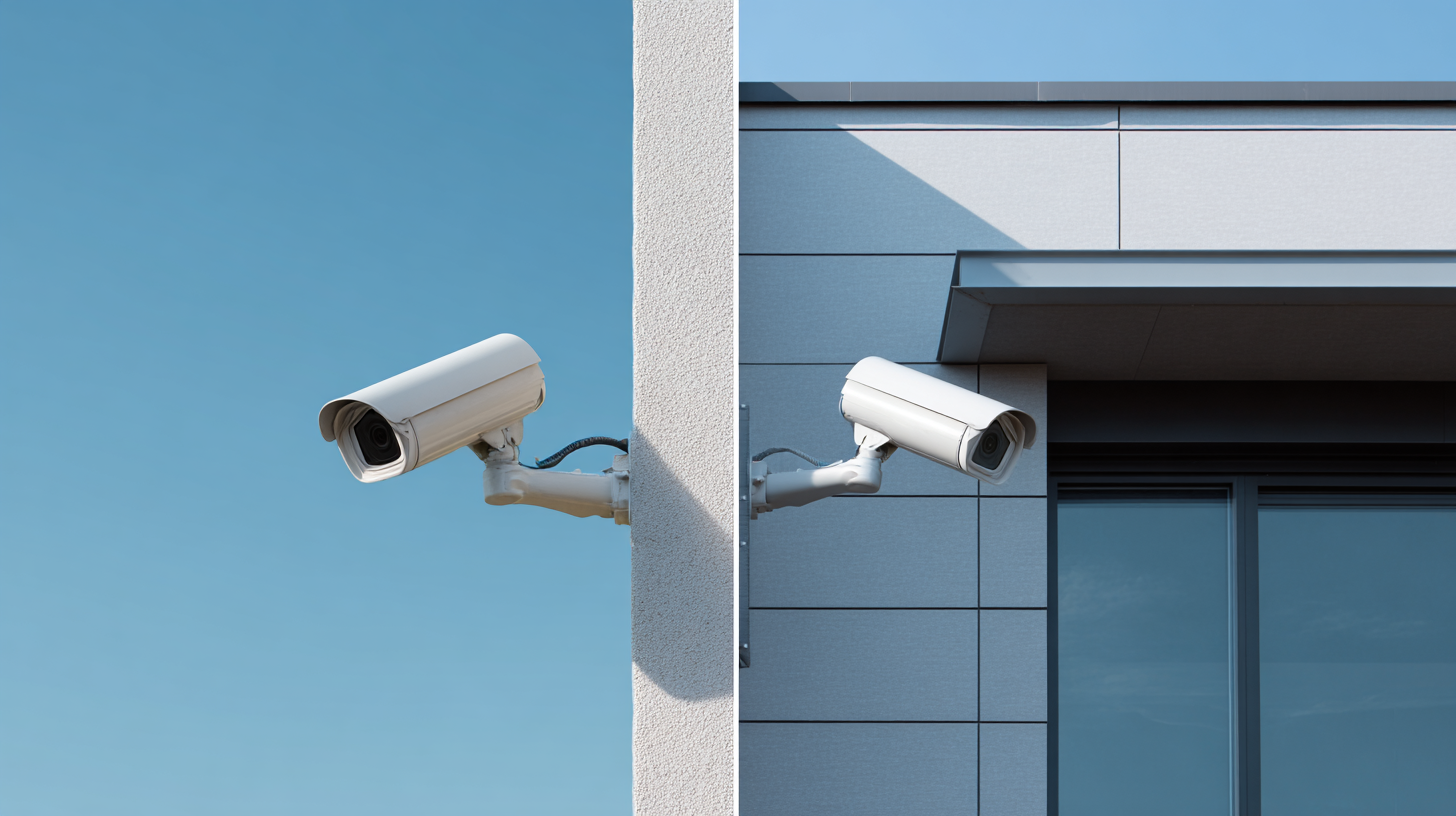
Choosing between wired and wireless systems represents one of the most significant decisions in home security camera installation planning. Each technology offers distinct advantages and cost implications that affect both initial investment and long-term expenses. At Lock and Tech, we help property owners evaluate these options based on their specific security needs, property characteristics, and budget constraints. Understanding the complete cost picture enables informed decisions about surveillance camera installation approaches.
Initial Equipment Investment Differences
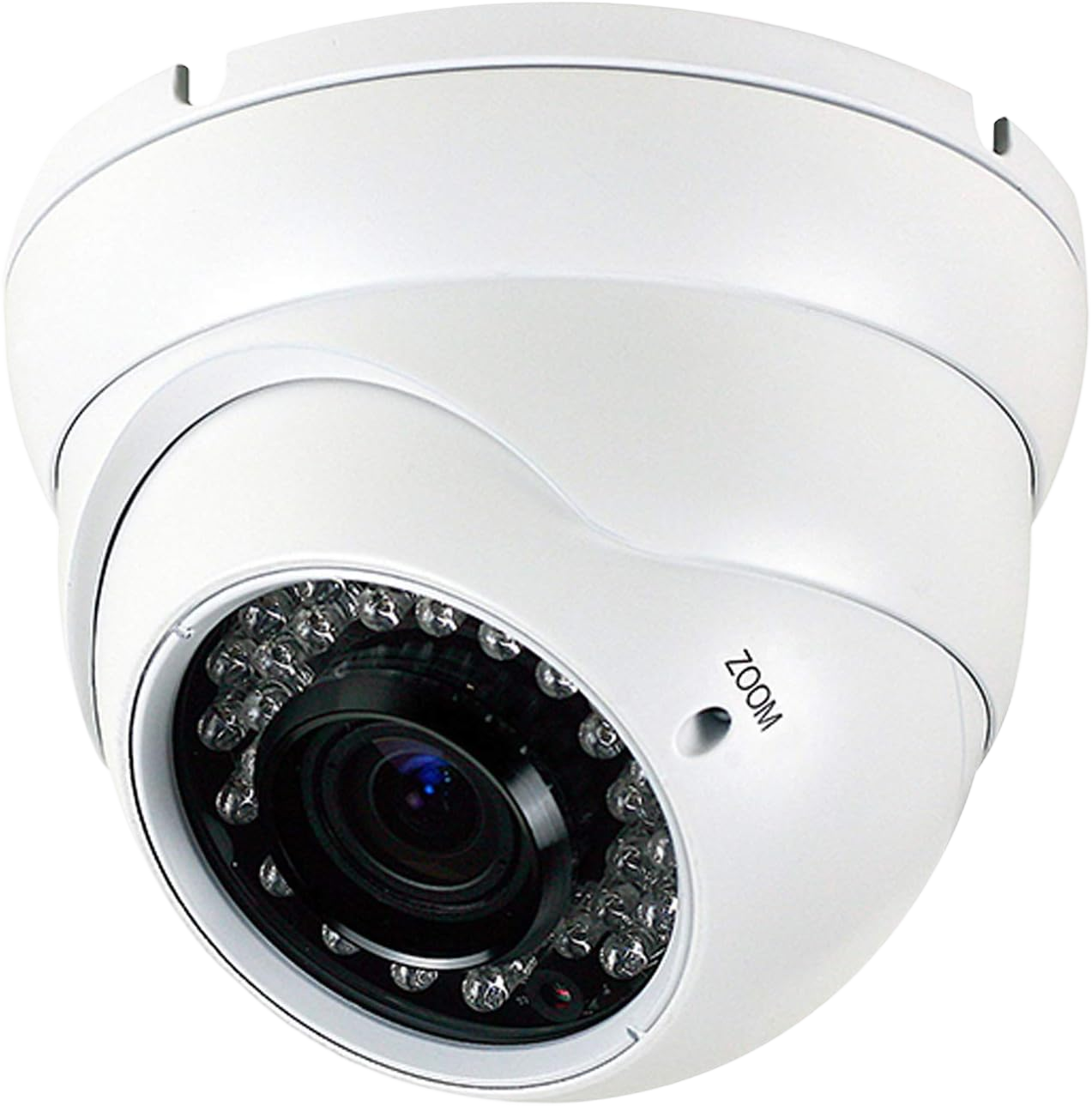
Wired security cameras typically cost less per unit than comparable wireless models. A quality wired IP camera ranges from $50 to $200, while wireless cameras with similar features cost $100 to $300. This price difference reflects the additional technology required for wireless transmission, battery management, and network connectivity.
However, wired systems require more supporting equipment. Network video recorders, power supplies, and extensive cabling add to the equipment budget. A complete wired system for four cameras might require $200 to $500 in additional infrastructure components. Wireless systems need fewer accessories, though quality wireless routers and potential signal boosters affect costs.
Security camera installation companies often offer package pricing that reveals true cost differences. A four-camera wired system including recorder and cables typically costs $600 to $1,200 for equipment, while comparable wireless packages range from $800 to $1,500. These packages provide better value than purchasing components separately.
Labor and Installation Complexity
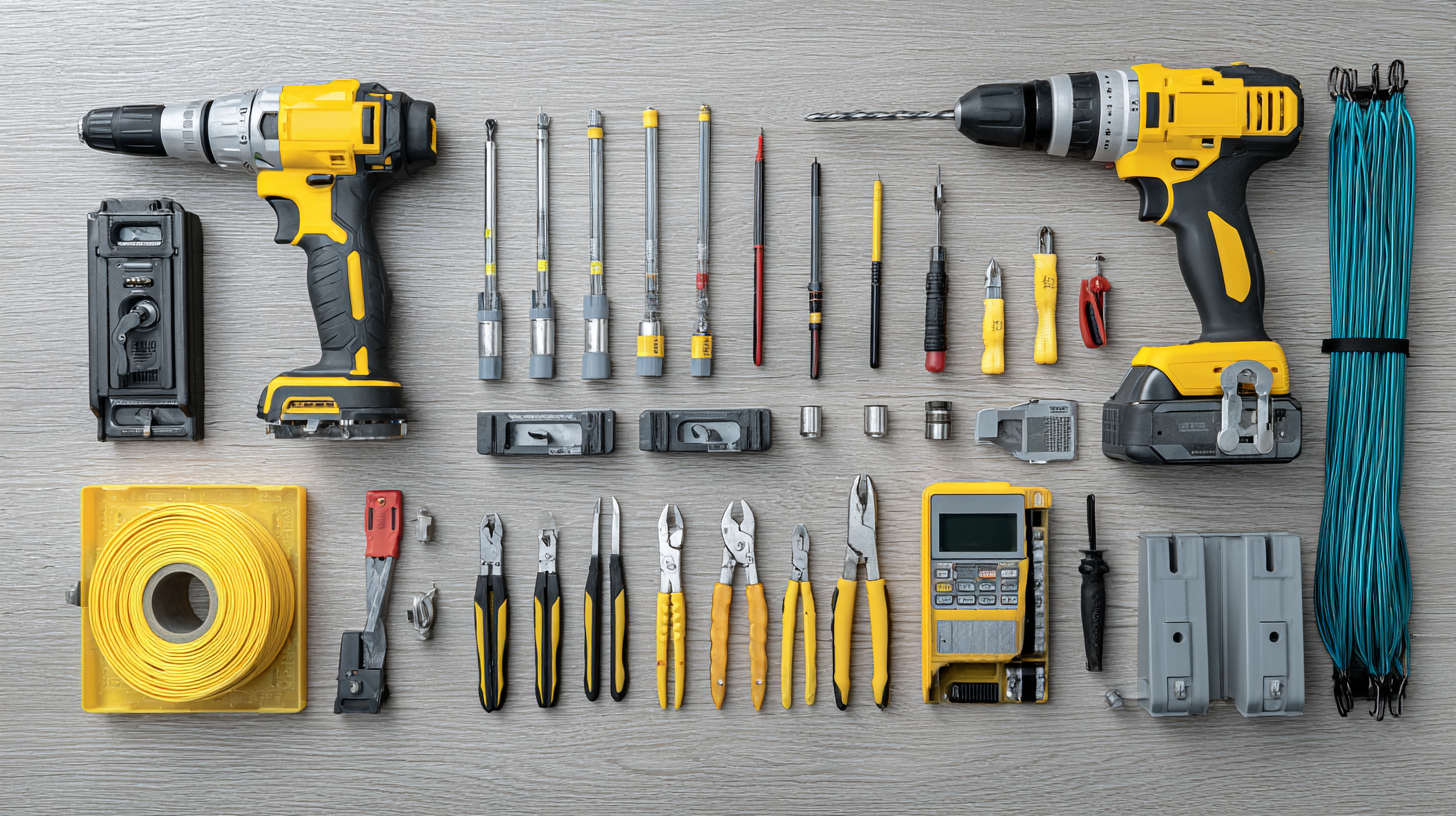
Professional security camera installation costs vary dramatically between wired and wireless systems. Wired camera installation requires running cables through walls, attics, and crawl spaces. Security camera installer labor for wired systems typically ranges from $100 to $200 per camera, depending on wire routing complexity.
Wireless camera installation proves much simpler, primarily involving secure mounting and network configuration. Professional security camera installation for wireless units costs $50 to $100 per camera for basic mounting and setup. This reduced labor reflects the elimination of cable running, wall penetrations, and wire concealment work.
Property characteristics significantly impact installation expenses. Single-story homes with accessible attics allow efficient wired installations, while multi-story buildings with finished basements increase labor substantially. Wireless systems maintain relatively consistent installation costs regardless of property layout, making them particularly attractive for challenging architectural situations.
Long-Term Maintenance and Operating Costs
Wired surveillance camera installation provides virtually maintenance-free operation once completed. Power comes from constant sources, eliminating battery concerns. Network connections remain stable without signal interference issues. Annual maintenance costs for wired systems typically involve only occasional cleaning and firmware updates.
Wireless systems require ongoing battery maintenance or frequent recharging for battery-powered models. Rechargeable batteries last 3 to 6 months between charges, requiring regular attention. Battery replacement every 2 to 3 years costs $20 to $50 per camera. Plug-in wireless cameras eliminate battery concerns but still face potential wireless signal issues requiring occasional troubleshooting.
Cloud storage subscriptions represent another ongoing wireless system expense. Many wireless cameras require monthly cloud storage fees ranging from $3 to $15 per camera. Wired systems typically record to local network video recorders, avoiding subscription costs. However, NVR hard drives eventually need replacement at $100 to $300 every 3 to 5 years.
Scalability and Future Expansion Costs
Adding cameras to existing systems reveals important cost differences. Wired system expansion requires running new cables to each additional camera location. Security cameras installation for expansion typically costs $150 to $250 per added camera, similar to initial installation expenses. This consistent cost makes expansion predictable but relatively expensive.
Wireless systems allow easier expansion with minimal installation work. Adding wireless cameras primarily involves mounting and network pairing, costing $75 to $125 per camera. However, network capacity limitations may require router upgrades or additional access points. A quality wireless mesh network system costs $200 to $500, potentially necessary when expanding beyond 8 to 10 cameras.
Cost Comparison by Installation Scenario
Different property types and installation scenarios favor different technologies from a cost perspective:
- New construction properties benefit from wired installations since cable running occurs before finishing work, reducing labor costs by 40% to 60%
- Historic or rental properties where wall penetrations prove problematic see wireless installations save $500 to $1,500 compared to creative wiring solutions
- Small residential installations under four cameras often find wireless systems cost-competitive when considering total installation expenses
- Large commercial projects exceeding 16 cameras typically achieve better per-camera costs with wired infrastructure despite higher initial investment
- Temporary monitoring needs for construction sites or seasonal properties favor wireless systems eliminating permanent installation requirements
- Properties with challenging wiring paths through concrete, brick, or metal construction see wireless installations save significant labor costs
- Budget-conscious installations accepting DIY mounting can implement wireless systems for minimal professional assistance costs
Hidden Costs and Budget Considerations
Beyond obvious equipment and labor costs, several factors affect total investment. Wired systems may require electrical work for power outlets near camera locations, adding $100 to $200 per outlet. Extensive cable runs sometimes need conduit installation for exterior protection, costing $3 to $8 per linear foot.
Wireless systems face different hidden costs. Quality wireless performance may require network upgrades. Professional-grade wireless routers cost $150 to $400, while mesh systems for larger properties range from $300 to $700. Some properties need multiple access points, each costing $100 to $300 installed.
Permit requirements vary by jurisdiction but affect both technologies. Security camera installation companies handle permit applications, typically costing $50 to $200 regardless of system type. Some areas require electrical permits for low-voltage wiring, specifically impacting wired installations.
Professional Installation vs DIY Cost Savings
DIY installation offers substantial savings but requires different skill levels for each technology. Wireless home security camera installation proves relatively straightforward for technically comfortable homeowners. Quality wireless cameras include detailed instructions and smartphone apps simplifying setup. DIY wireless installation saves $200 to $400 in labor costs for a four-camera system.
Wired installations present significant DIY challenges. Running cables through walls without damage, achieving clean wire concealment, and proper network configuration require specialized knowledge and tools. Most homeowners attempting DIY wired installations still hire professionals for wire running, saving only $50 to $100 per camera while risking improper installation.
Professional security camera installation provides value beyond labor savings. Experienced installers optimize camera angles, ensure proper network configuration, and provide ongoing support. Security camera installation companies typically offer warranties covering both equipment and installation work, valuable protection unavailable with DIY approaches.
Frequently Asked Questions
Which is better for home security — wired or wireless cameras?
Can wireless security cameras work without internet?
How long do wireless camera batteries last?
Do wired cameras stop recording during a power outage?
Can I mix wired and wireless cameras in the same system?
What WiFi speed do I need for wireless security cameras?
Making the Right Choice for Your Property
Total cost analysis must consider both immediate expenses and long-term ownership costs. A typical four-camera wired system might cost $1,500 to $2,500 installed with minimal ongoing expenses. A comparable wireless system costs $1,200 to $2,200 installed but adds $150 to $300 annually for batteries and cloud storage.
Over five years, wired systems typically prove more economical for permanent installations despite higher initial costs. Wireless systems make financial sense for shorter-term needs, rental properties, or situations where installation challenges make wired systems prohibitively expensive.
At Lock and Tech, our surveillance camera installation experts evaluate your property, security requirements, and budget to recommend the most cost-effective solution. We provide transparent pricing for both technologies, helping you understand not just installation costs but total five-year ownership expenses.
Whether choosing wired reliability or wireless flexibility, professional guidance ensures optimal camera placement, proper installation, and reliable long-term performance. Contact our team to discuss your specific situation and receive detailed cost comparisons for both wired and wireless security cameras installation options tailored to your property needs.