
- Home
- Home Security Systems
- Home Security Camera System
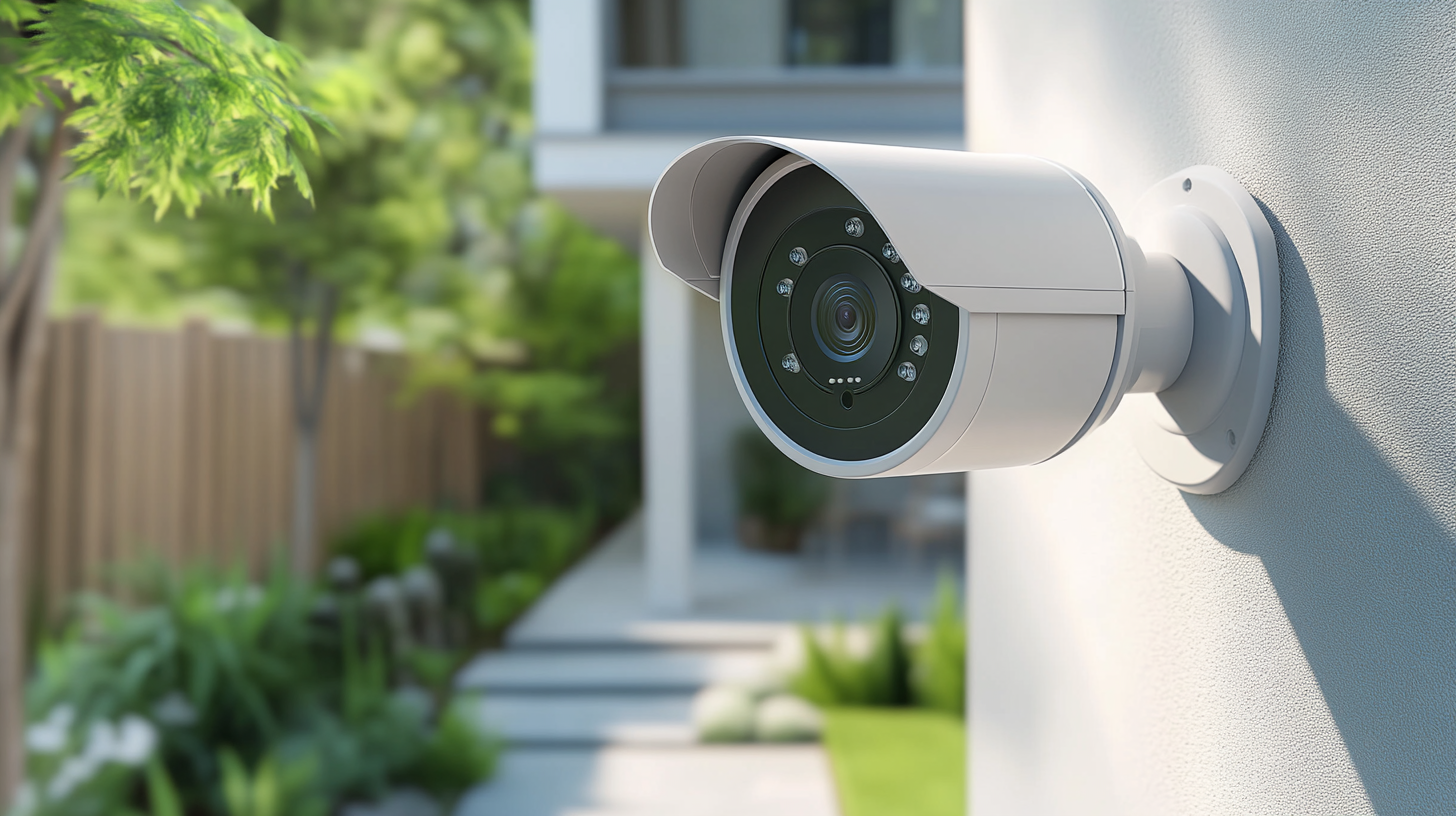
Home Security Camera Installation in New York



for home camera installation
Since 1989, we’ve been securing homes and businesses across NYC and New Jersey with professional security solutions you can trust. Our licensed technicians provide 24/7 emergency service, using only the latest technology and backed by comprehensive warranties on all installations.


When homeowners call for camera installation
- Packages keep disappearing from your stoop or vestibule, and you want the front entrance on camera.
- You own a brownstone or walk-up and need cameras at the stoop, the back alley, and the fire escape without exposed wiring on the facade.
- You live in a co-op or condo, and the install has to go through board approval and building management before anyone drills a hole.
- You bought a house and want the driveway, backyard, garage, and first-floor windows covered by a residential security camera installation done in one visit.
- You rent out part of your home or list it short-term and want a record of who comes and goes.
- There was a break-in at a neighbor’s place, and you want your own entrances recorded before anything happens at yours.
- A new baby, a long trip, or a season away — you want to open an app and see the house from anywhere.
Security camera installation for home use covers the planning, wiring, mounting, and setup of indoor and outdoor cameras in apartments, brownstones, walk-ups, and single-family houses. A licensed technician picks the camera points with you, runs cable without tearing up finished walls, and hands the system over with recording and phone viewing already working. Every job runs on a signed contract priced as labor plus materials, and the work carries a 90-day mechanical and 12-month electronics warranty. This page explains how that process works in a home; the same crew handles professional security camera installation across all property types.
Cameras for Apartments, Brownstones, Walk-Ups, and Houses
Residential security cameras installation differs by building type: what works on a detached house won’t pass a co-op board, and a prewar brownstone calls for different cable routing than a rental apartment. The building decides the plan — where cameras can go, what approvals come first, and how the wire gets from the camera to the recorder.
In a co-op or condo, anything touching the facade, hallway, or vestibule goes through board approval and building management before a single hole gets drilled. Boards usually ask for mounting details and a certificate of insurance, and review takes anywhere from two to six weeks. Inside your own unit, a doorway camera and an entry-hall camera typically need no approval at all.
A brownstone or walk-up owner deals with masonry and street exposure instead. Cameras cover the stoop, the garden-level entrance, the back alley, and the fire escape, with cable dropped through closets or run along mortar joints so the facade stays clean. Package theft drives most of these calls: a camera at doorbell height catches faces at the front door, and a second one covers the spot where couriers actually leave boxes.
A single-family house is the widest job — driveway, backyard, garage, and first-floor windows on top of the entrances. We install home security cameras alongside existing wiring runs where possible, which keeps both the labor hours and the wall repairs down. Video surveillance for a house often pairs with home alarm systems: cameras record what happened, the alarm reacts while it’s happening.
How the Installation Goes
A home security camera installation service runs in a fixed order: walkthrough, camera plan, cabling, mounting, setup, and a hands-on tutorial. Most residential jobs fit in a single day; a large house with long wire runs can take two.
- Every security camera installation home visit starts with a walkthrough. The technician checks entrances, sight lines, light sources, and where the recorder can sit out of the way.
- You get a camera plan before any work starts — how many cameras, where each one points, and what the contract covers. The signed contract fixes the scope and the price.
- Cable goes through basements, closets, attics, and crawl spaces instead of through finished walls. Outdoor runs get weather-sealed entry points and drip loops so water never follows the wire inside.
- During installation, home security camera angles are checked live on a monitor, so a camera meant to catch faces at the door doesn’t end up recording the top of someone’s head.
- Setup covers the recorder, motion zones, and passwords. After the work is done, the technician walks you through the system on site and sets up the phone app on your devices before leaving.
What It Costs
The price of a home camera install is labor plus materials: the hours on site plus the cameras, recorder, cable, and mounts that go into the job. There’s no flat package price because two homes with the same camera count can need very different amounts of work.
Four things move the number most: how many cameras go up, how far the cable has to travel, whether the drilling is drywall or brick, and how easy the attic or crawl space is to reach. A four-camera apartment job and a ten-camera house with 200 feet of cable runs sit at opposite ends of the range.
The contract is signed before work begins, so the scope and price are fixed in writing first. Larger jobs take a partial deposit up front, with the balance due when the system is running and you’ve been walked through it.
How Many Cameras a Home Needs, and Where They Go
The installation of home security cameras starts at the front door and works outward, because entrances are where break-ins and package theft actually happen. A typical security cameras installation for home coverage uses four to eight cameras, though a small apartment can do the job with two.
- Front door and stoop — faces at doorbell height, plus the spot where deliveries get left.
- Driveway — angled low enough to read plates on cars that pull in or stop out front.
- Backyard and rear entrance — the access points hidden from the street.
- First-floor windows — the most common entry points after doors.
- Garage — vehicles, tools, and the side door people forget to lock.
- Inside: the entry hallway and stairs. Never bedrooms or bathrooms — private spaces stay off camera.
Placement follows two rules: mount at 8 to 10 feet so the camera is out of reach but still catches faces, and keep bright light sources out of the frame so the image doesn’t wash out. Resolution follows the job — 4K where faces and plates matter, at the front door and driveway, and HD or 2K for general coverage. For home installs we prefer Uniview and Hikvision cameras for image quality and app support, and we put in any system on the market after discussing it with you.
Outdoor points need weatherproof housings and different mounts than indoor ones — that side of the work is covered under outdoor security camera installation. Indoors, compact fixed cameras handle hallways and entries without drawing attention.
Where the Footage Lives, and How You Watch It
Recorded video is stored one of two ways: on a recorder inside your home or in the cloud. A home security camera system installation includes the recorder, storage drives, and app setup as part of the job.
Local storage keeps footage on drives from 2TB to 14TB, which holds two weeks to three months of recording depending on camera count and settings — no subscription, and the footage never leaves your home. Cloud storage adds an off-site copy on a subscription plan, with typical retention of 7 to 30 days. Either way, the phone app for iOS and Android gives you live view, playback, and motion alerts from anywhere.
Service Area
We install home cameras within 75 miles of midtown Manhattan — all five boroughs, Long Island, and the nearby parts of New Jersey and Connecticut. Crews work out of Brooklyn and Manhattan, so response time inside the city runs 20 to 40 minutes. Office hours are 8 a.m. to 6 p.m. on weekdays, with phone and email support during those hours. Neighborhood pages for Lower Manhattan and Brooklyn cover local details.
Common Questions
Do I need co-op board approval to put up cameras?
Yes, for anything on the facade or in common areas — boards typically want mounting specs and a certificate of insurance, and review takes two to six weeks. Cameras fully inside your own unit usually need no approval, though notifying building management avoids surprises.
Will you have to cut open my walls?
No — in most homes cable runs through basements, closets, attics, and crawl spaces, so finished walls stay intact. Where a wall pass is unavoidable, it’s a single small hole behind the camera mount, not an open channel.
How long does the installation take?
Most residential security camera installation jobs finish in one day. A large house with long cable runs or masonry drilling can take two, and you’ll know the timeline from the contract before work starts.
What do the cameras show at night?
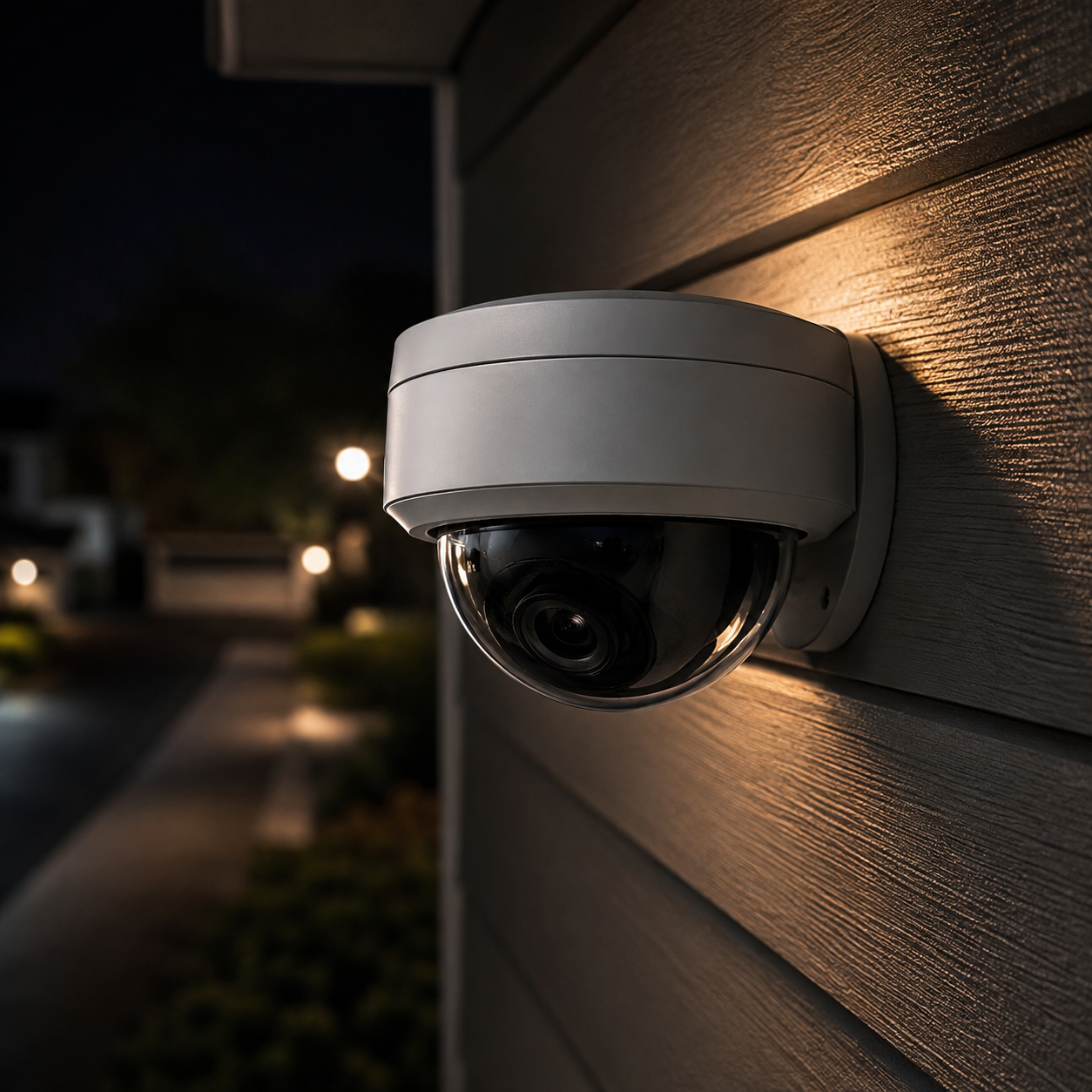
Infrared night vision is standard: a clear black-and-white image in full darkness with a range of 30 to 100 feet depending on the camera. Where there’s street light or porch light, cameras hold a color image instead.
Can you install home security camera system equipment from a brand I picked myself?
Yes — we install any system available on the market. We’ll go over your pick first to confirm it fits the layout and the recorder, then wire and set it up the same way as our preferred brands.
Who do I call if something stops working later?
Us — the installation carries a 90-day mechanical and 12-month electronics warranty, and phone and email support runs 8 a.m. to 6 p.m. on weekdays. Most issues get sorted over the phone; the rest get a service visit.
Do you cover my area?
If you’re within 75 miles of midtown Manhattan, yes — that takes in all five boroughs, Long Island, and nearby New Jersey and Connecticut. City response time runs 20 to 40 minutes.
Related Services
A camera that’s already up but stopped recording is a different job — that’s security camera repair, from a dead feed to a failed drive. And cameras are one layer of protecting a home: the full picture of what we do for houses and apartments is on the home security services page.
What our clients say