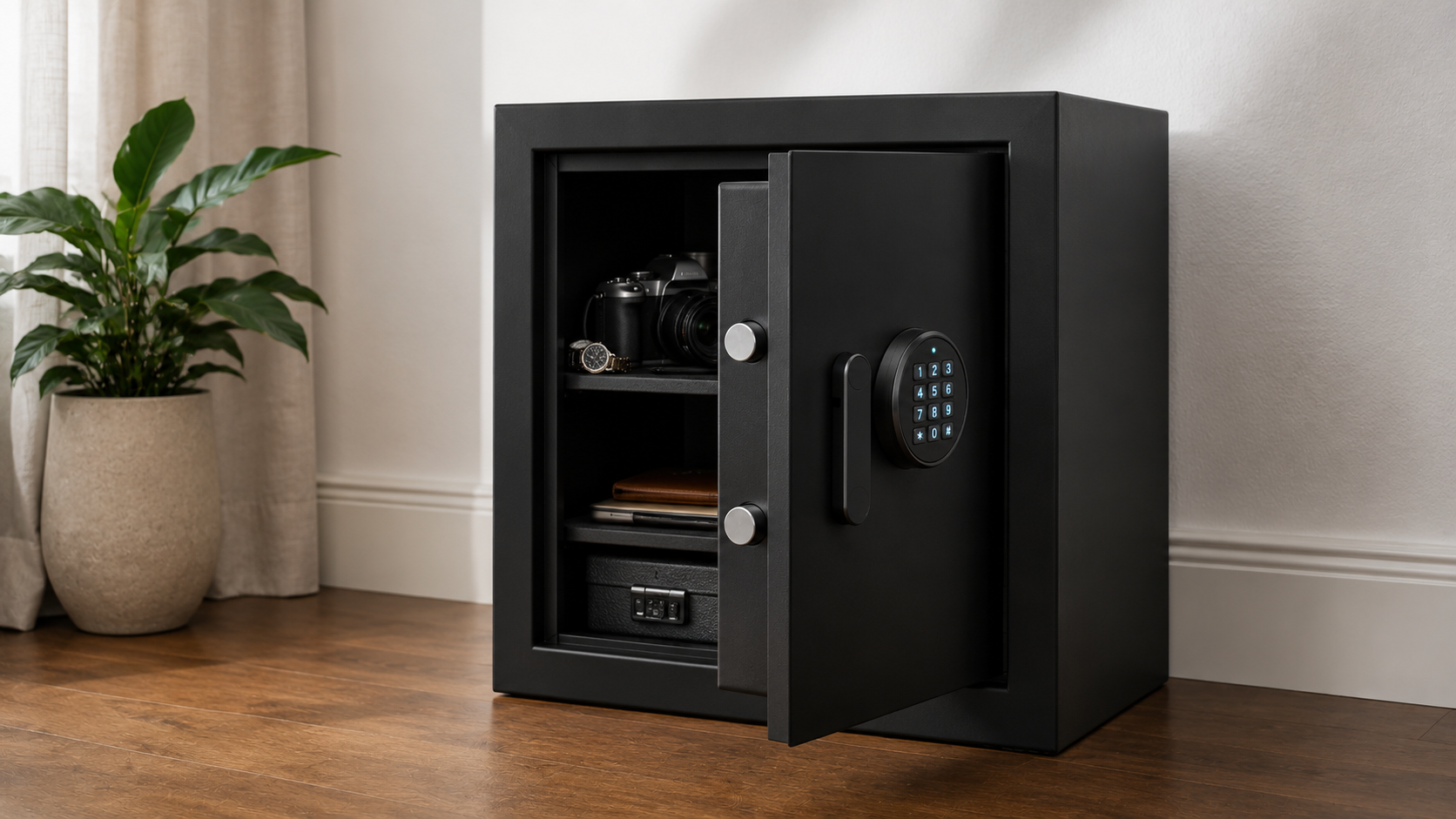
Yes. A licensed locksmith can open most home safes and gun safes in New York City without damaging them. The job usually costs $150 to $400 during business hours. The price and the method depend on the lock type, the safe’s security rating, and whether you can prove the safe is yours. Below you’ll find what a locksmith asks for before starting, how each opening method works, and NYC price ranges.
What a Locksmith Needs Before Opening Your Safe
Expect to prove that you own the safe before any tool touches it. A reputable locksmith will ask for a photo ID plus a document that ties you to the safe or to the property where it sits. A receipt, a registration card, a lease, or a utility bill with the same address all work.
Have the brand, model, and serial number ready when you call. Manufacturers usually print them on a label on the back, the side, or inside the door frame. With that identification, a locksmith can often confirm over the phone whether an override procedure exists and estimate how long the job will take.
Inherited safes turn up regularly in NYC apartments and estate cleanouts. In that situation, bring documentation that establishes your legal right to the contents, such as a will, letters testamentary, or a property deed. Gun safes receive the strictest verification because of what is stored inside.
How Locksmiths Open a Safe Without the Combination
The method depends on the lock. A locksmith starts with the options that leave the safe fully usable and moves to destructive entry only when nothing else works, and only with your approval.
Override Codes and Keys
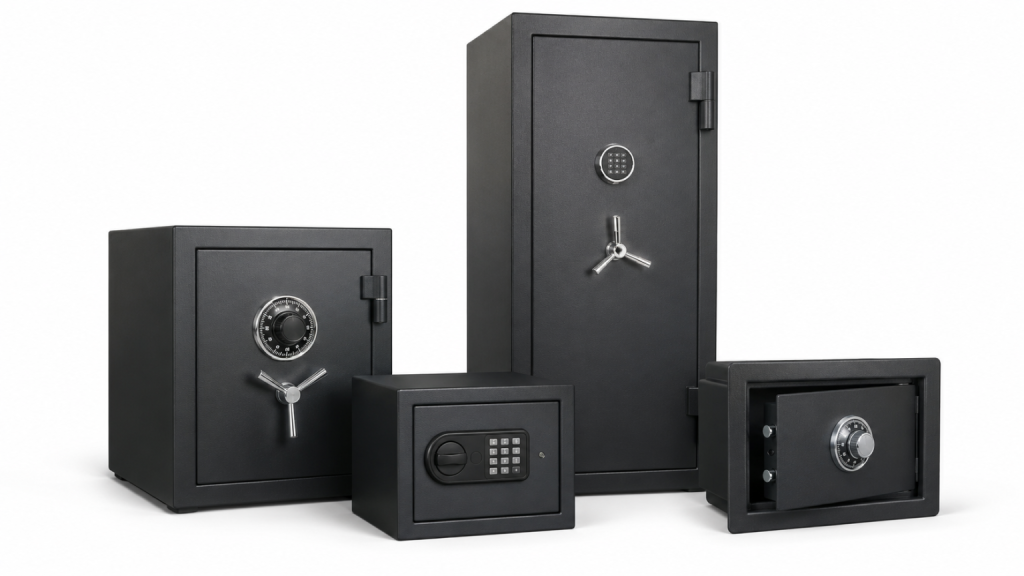
Most electronic keypad safes have a manufacturer override. If the model is known and ownership is verified, the manufacturer can issue a reset code or a replacement override key. When you still have the receipt or registered the safe at purchase, some manufacturers ship the key straight to you and no locksmith visit is needed.
Manipulation
Mechanical dial safes can be opened by manipulation, where the technician rotates the dial and interprets small changes in resistance to calculate the combination. Nothing is drilled, and the safe remains fully operational afterward. Expect anywhere from 30 minutes to several hours, depending on the lock’s age and quality.
Scoping
For tougher locks, the locksmith drills one small hole, about the width of a pencil, at a precise point on the door. A borescope camera goes through the hole to show the lock parts, and the bolt is moved from there. The hole is plugged afterward and the safe goes back into service.
Drilling as a Last Resort
Full drilling or cutting is reserved for high-security safes where other methods fail, or for cheap safes that cost less to replace than to open carefully. A locksmith should explain the damage and get your consent first. After drilling, the lock is usually replaced so the safe can be used again.
Can a Locksmith Open a Gun Safe?
Yes, and most residential gun safes are easier to open than their size suggests. Many combine an electronic keypad with a mechanical override key, which gives the owner two independent entry points. Home gun safes are built mainly to stop theft and fire, so they rarely carry the burglary ratings of commercial safes.
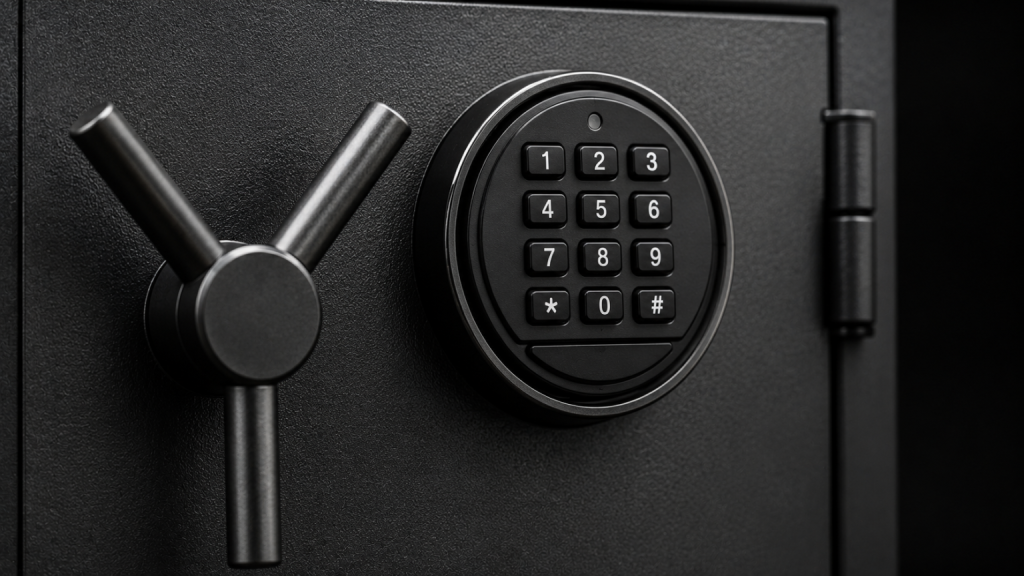
A dead battery is the most frequent cause of a gun safe lockout. On many models, you can swap the keypad battery from the outside or power the lock through an external terminal. Check the owner’s manual before you call anyone. If the code is forgotten and the override key is lost, the manufacturer’s owner-verification process is the next step, followed by non-destructive opening.
Ownership checks are stricter for gun safes. A licensed gun safe locksmith will want ID and proof that you own the safe or live at the address before opening a container that holds firearms.
Locksmith or Manufacturer: Who to Call First
Start with the manufacturer if the safe is fairly new, registered, and the problem is a forgotten code or a lost key. Their reset or key replacement is often cheaper than a service call, though it can take days to arrive by mail. Many manufacturers also route the request through a local locksmith, who checks your ID in person before the code or key is released.
Call a locksmith when the safe is old or unregistered, uses a mechanical dial, or was damaged in a break-in attempt. The same goes for a safe holding something you need right away, like a passport or medication. For access outside business hours, an emergency locksmith saves you from waiting on a manufacturer’s support line.
How Much a Locksmith Charges to Open a Safe in NYC
Safe opening in New York City runs from under $100 for a budget keypad box to nearly $1,000 for a burglary-rated safe. The security rating of the safe moves the price more than anything else.
City conditions add to the bill in ways a suburban quote does not show. Floor safes in older Brooklyn and Queens row houses are often set in concrete. In a Manhattan high-rise, building management may have to approve access and reserve a freight elevator before the locksmith can start. Tell the locksmith about these details when you ask for a price.
| Service | NYC range, business hours | What changes the price |
| Budget keypad or key safe | Under $100 to $200 | Whether an override code exists or the box is simply forced open |
| Home safe, dial or keypad, opened without damage | $150 to $400 | Lock type, time spent on manipulation or scoping |
| Residential gun safe, opened without damage | $150 to $400 | Battery issue versus lost code and key, safe size and fire rating |
| High-security or burglary-rated safe | $425 to $950 | Hardened plates, relockers, need for drilling and a new lock |
| Combination change after opening | $60 to $150 | Mechanical dial versus electronic keypad |
These ranges reflect published New York City and national locksmith pricing checked in September 2026 for standard business-hours work. The service call, after-hours surcharges, and any replacement lock are billed on top, so ask for the full price before work begins. For a quote in the five boroughs, send the make and model to the safe locksmith team within Lock and Tech USA’s locksmith services.
Frequently Asked Questions
Will opening my safe damage it?
Usually not. Override codes and manipulation leave no visible marks, and scoping leaves one small plugged hole. Only full drilling or cutting damages the door, and a locksmith should get your approval before choosing that method.
How long does it take a locksmith to open a safe?
A keypad safe with an available manufacturer override can be opened within minutes. Manipulating a dial safe takes 30 minutes to several hours. High-security safes that need scoping or drilling can take most of an afternoon.
Can I open a safe without the combination myself?
Only in simple cases, like replacing a dead keypad battery or using the override key you already have. Prying or drilling on your own can trigger the relocker, which permanently jams the bolt and makes a professional opening slower and more expensive.
Can a locksmith reset the combination after opening?
Yes. With the door open, a locksmith can set a new combination on a mechanical dial lock. On most electronic safes, the owner can reprogram the code from the keypad once the safe is open.
What if I inherited a safe and have no paperwork for it?
Documents showing your right to the estate or the property usually work in place of a receipt. A will, letters testamentary, or a deed paired with your ID lets a locksmith confirm that the safe and its contents are yours to access.