- Home
- Locksmith Services
- Safe Locksmith
Safe Locksmith in NYC



Before Any Drilling Starts
Since 1989, we’ve been securing homes and businesses across NYC and New Jersey with professional security solutions you can trust. Our licensed technicians provide 24/7 emergency service, using only the latest technology and backed by comprehensive warranties on all installations.


Locked Safes and Lost Combinations
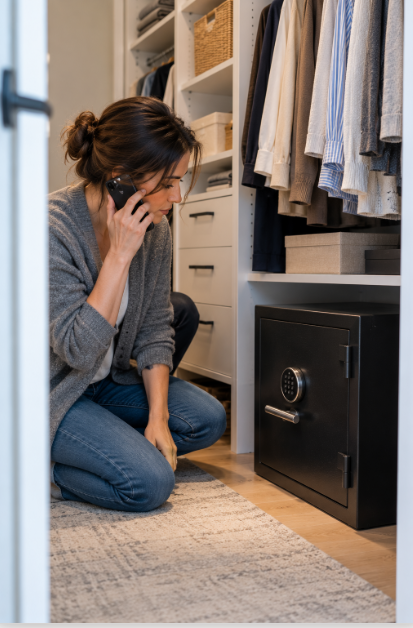
- You changed the combination last year and can’t remember the new one.
- The key to the safe went missing during a move.
- You inherited a safe, and nobody in the family knows the code.
- The keypad stays dark when you press the buttons.
- The keypad beeps and blinks after you enter the code, but the safe stays locked.
- The code is accepted, but the handle won’t turn.
- The handle spins freely, and the door doesn’t open.
- The store safe with the day’s cash won’t open before closing.
- An employee who knew the safe code has left the company.
- You bought a new safe and want it bolted to the floor.
A safe locksmith opens safes that won’t open, resets lost combinations, and repairs or replaces safe locks so the safe can be used again. Lock and Tech handles locksmith safe work for homes and businesses across New York, day and night, including weekends and holidays. A licensed technician usually arrives in 20 to 40 minutes, confirms that the safe is yours, and names the price before work starts. Opening starts with non-destructive methods.
Safe Opening
When a safe won’t open, safe locksmith work starts with questions, not tools: what kind of lock it has, when it last opened, and what changed since then. A dial, an electronic keypad, and a key lock fail in different ways, and the answers decide how the safe gets opened.

Non-Destructive Opening First
Most safes can be opened without damage to the body or the door. On a dial safe, that means working the lock by feel and sound until the combination is found. On an electronic lock, it starts with power and wiring checks, since a dead battery or a loose connection often looks like a failed lock. A key lock can usually be picked or decoded. A locksmith to open safe locks starts with these methods because they leave the safe fully usable, with a new code or key set right after. Ask any locksmith that can open a safe how they plan to do it before work begins. A safe opening locksmith from Lock and Tech explains the method and names the price first.
When Drilling Is the Only Option
Sometimes a lock is broken inside, or a forced-entry attempt has damaged it, and non-destructive methods can’t work. Then drilling is the last option. A small hole is drilled at a precise point to reach the lock mechanism, the safe is opened, and the hole is plugged and sealed afterward. The lock is then repaired or replaced, so the safe can lock again. The method and the price are discussed with the owner before any drilling starts.
Ownership Verification
Before opening, the locksmith confirms the safe is yours: a photo ID plus a lease, deed, or business document for the premises. For an inherited safe, the paperwork that names you as heir or executor is used instead. For a business safe, a document for the business or a confirmation from the owner serves the same purpose. The technician opens the door and does not look through or handle what is inside.
Lost Combination or Lost Key
The most common call is simple: the combination is gone. It was changed and forgotten, written on a note that disappeared, or never passed on when the person who set it left. Inherited safes are a frequent case, especially after an estate is settled and nobody in the family knows the code. Lost keys come up just as often with key-operated safes and drawer safes.
Calling a locksmith for safe lockouts like these doesn’t mean losing the safe. Once it is open, a dial lock can be reset to a new combination, an electronic lock can be reprogrammed with a new user code, and a key lock can be rekeyed or fitted with a new cylinder and fresh keys. The safe goes back into use right after.
For homes and offices with safes, locksmith visits for a lost code follow the same order: confirm ownership, open the safe, then set the new code or key with the owner present, so only the owner knows it. Write the new combination down and keep it somewhere other than inside the safe.
Electronic Keypad Problems
Electronic safe locks fail in a few recognizable ways:
- The keypad doesn’t light up or react when you press the buttons.
- It blinks or beeps after the code is entered, and the safe stays locked.
- The code is accepted, but the handle won’t turn.
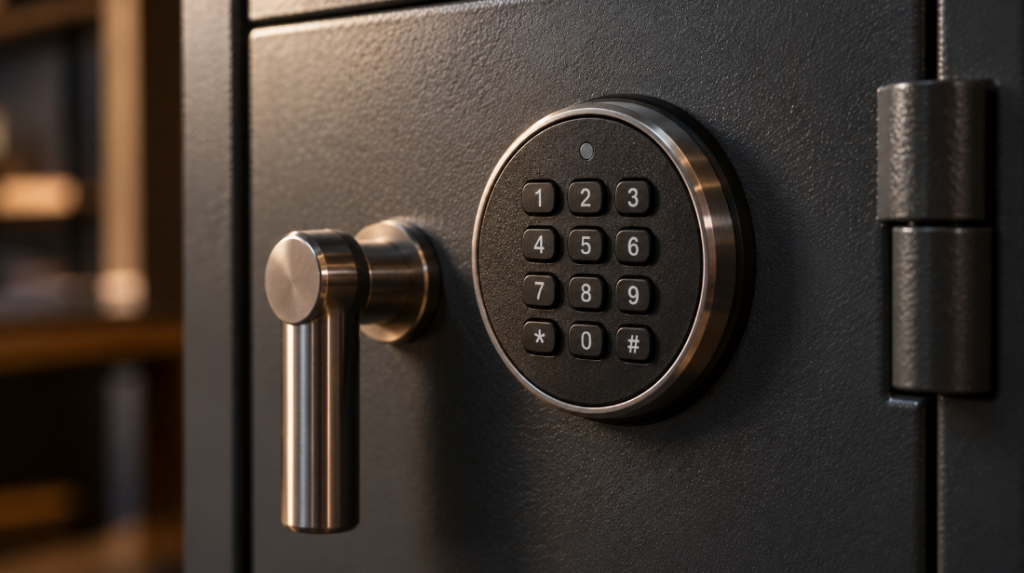
The first thing to check is the battery. On many safes it sits behind the keypad cover on the outside, so it can be changed with the door closed. A weak battery can still light the keypad yet fail to move the lock, so a keypad that lights up doesn’t rule the battery out. Repeated wrong codes can also trigger a lockout period, during which the keypad ignores every entry until the time runs out. If a fresh battery and a wait don’t help, the problem is in the lock itself: a worn keypad, damaged wiring, or a failed motor or solenoid inside the lock.
Safe Repair and Lock Replacement
Safe repair covers the problems that keep a safe from opening or locking properly, even when the code is right. Common signs:
- The handle spins freely and doesn’t pull back the bolts.
- The bolts don’t extend when the door is closed and locked.
- The key goes in but won’t turn.
- The door has dropped or sits crooked and rubs on the frame.
Many of these come from worn parts in the lock or in the boltwork, the bars and linkage that move the bolts. Repair means replacing the worn part, adjusting the boltwork, or rehanging the door so it closes square.
When the lock itself is worn out, replacing it is often better than repairing it. A mechanical dial lock can be swapped for an electronic keypad lock, which is faster to open and easier to recode, and an electronic lock can be swapped back for a dial if you prefer a lock that needs no battery. Changing the combination is routine work too: on a schedule, after a staff change, or when someone who knew the code no longer should. As a safe locksmith service, Lock and Tech names the price for each repair or new lock before work starts, and a new safe lock carries a warranty of 90 days on mechanical parts and 12 months on electronics.
Installing and Anchoring a Safe
A safe that isn’t anchored can be tipped over, pried from the side, or carried off with everything inside, even a heavy one. Bolting it down closes that gap.
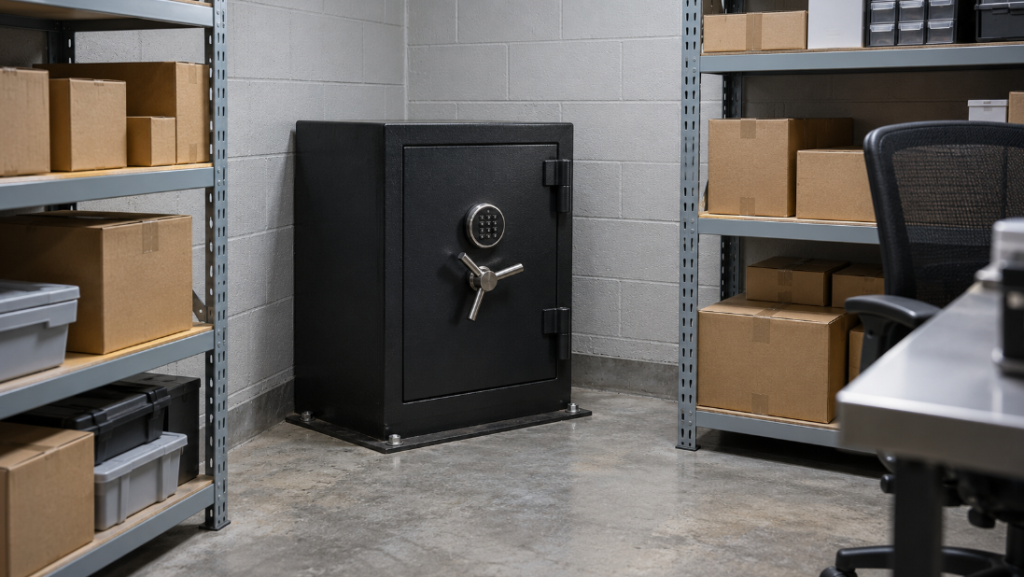
Placement comes first: a spot that can’t be seen from a window or doorway, close enough to use every day, and on a floor or wall that can hold the anchors. Freestanding safes are bolted through holes in their base. On a concrete floor, that means expansion anchors set into drilled holes. On a wood floor, the bolts go into the joists below rather than only the floorboards, since boards alone can be pulled up. Wall safes are fastened to studs or masonry, not to drywall. Because the bolt heads sit inside the safe, they can only be reached with the door open.
Gun Safes
Gun safes work like other safes, but they more often have electronic or biometric locks and are usually bolted to the floor, since size and weight alone don’t stop them from being pried loose. Many also have a backup key hidden behind a cover, which helps when the keypad fails. Opening, code resets, and lock work on them follow the same steps described above, with extra care about who can reach the contents. Details are on our gun safe locksmith page.
Where We Work
Lock and Tech works within 75 miles of Midtown Manhattan. That covers apartments, offices, and stores in Manhattan and homes and businesses across Brooklyn, along with Queens, Staten Island, and New Jersey. A safe locksmith usually arrives in 20 to 40 minutes, up to an hour depending on traffic. When you call, mention the type of lock, whether a dial, keypad, or key, and where the safe stands.
Warranty, Service Area, and Payment
All work is done by licensed locksmiths. A new safe lock we install carries a warranty of 90 days on mechanical parts and 12 months on electronics. Safe opening, code resets, and repairs don’t carry a warranty, and opening is charged as its own job.
The service area runs 75 miles from Midtown Manhattan, and calls are taken around the clock, including weekends and holidays. The price is named before work begins.
Payment can be made by cash, credit card, ACH, wire transfer, check, Zelle, or Venmo.
Frequently Asked Questions
Can you open my safe without damaging it?
In most cases, yes. Opening starts with non-destructive methods, and most safes open without harm to the body or the door. If the lock is broken inside, drilling may be needed, and that is discussed with you first.
What if drilling can’t be avoided?
A small hole is drilled at the point that reaches the lock. After opening, the hole is plugged and sealed, and the lock is repaired or replaced, so you can keep using the safe. You agree to the method and the price before it starts.
How do you confirm the safe belongs to me?
With a photo ID plus a lease, deed, or business document for the premises. For an inherited safe, estate paperwork that names you as heir or executor. The technician does not go through the contents.
I inherited a safe with no code. What should I do?
Gather the estate paperwork and call. The safe is opened, and a new combination or code is set with you present, so the safe can be used again.
Can any locksmith open a safe?
Not every locksmith works on safes, since it takes different tools and skills than door locks. When you look for a locksmith for safes, ask how they open a safe without drilling. Our article explains whether a locksmith can open a safe in more detail.
Do you work on safes in offices and stores?
Yes. When a business needs a safe and vault locksmith, office and store safes are opened, recoded after staff changes, and repaired the same way. Doors, keys, and master keys for businesses are covered under our commercial locksmith services.
What warranty do you give?
A new safe lock we install carries a warranty of 90 days on mechanical parts and 12 months on electronics. Safe opening, code resets, and repairs don’t carry a warranty.
What our clients say


