Understanding fire alarm systems and their associated costs helps property owners make informed decisions about life safety investments. Whether planning a residential fire alarm system or comprehensive building fire alarm system, knowing component costs and installation requirements ensures adequate budgeting. At Lock and Tech, we specialize in designing and installing fire detection and alarm system solutions that meet code requirements while fitting your financial parameters.
Control Panels as System Foundation
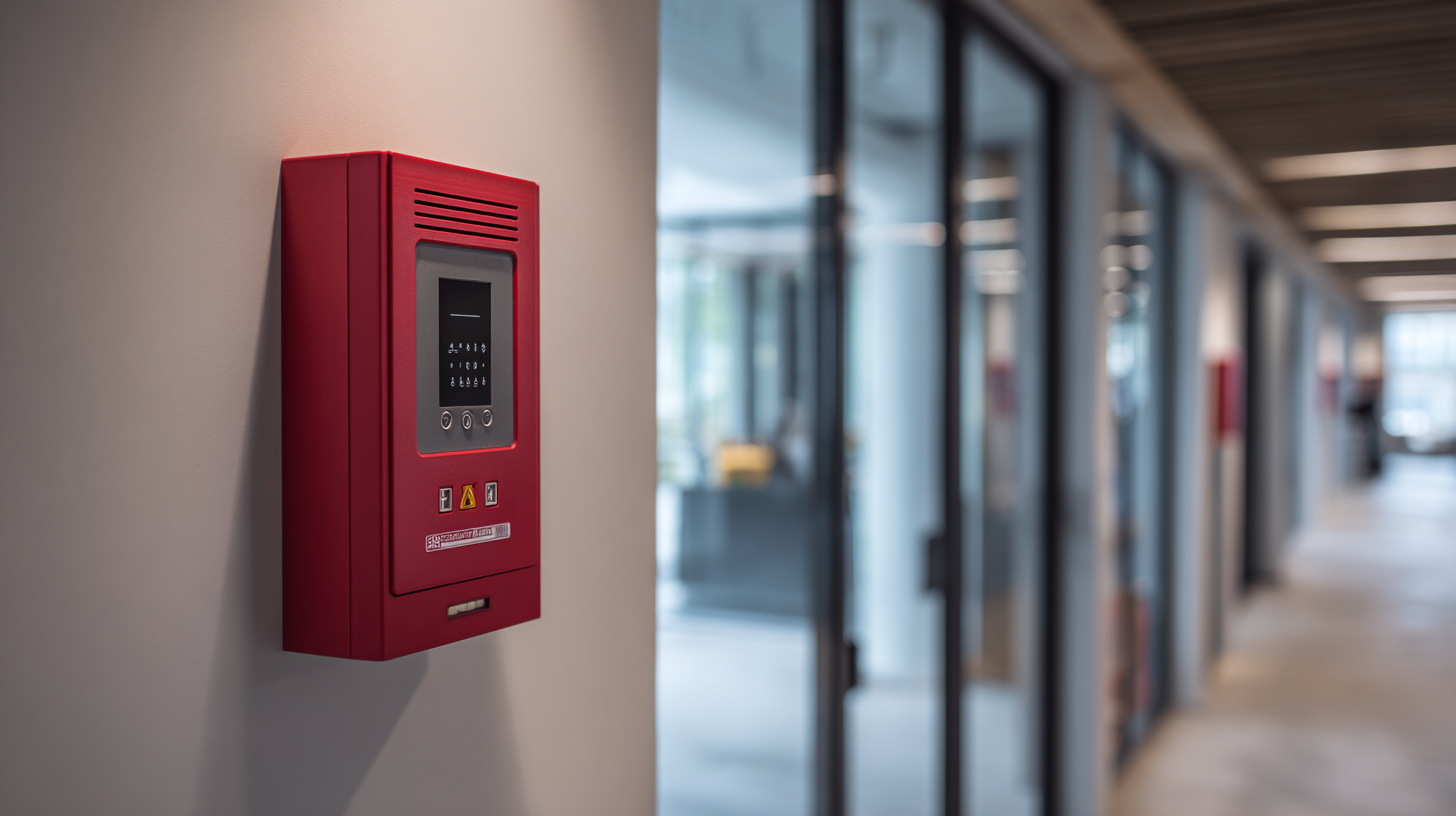
The control panel serves as the brain of any alarm fire system, processing signals from detection devices and activating notification equipment. Conventional panels for smaller properties typically cost between $400 and $1,200, while addressable panels for larger buildings range from $1,500 to $5,000 or more.
Installation costs for control panels vary based on mounting location, power requirements, and integration complexity. Professional fire alarm system companies charge $300 to $800 for basic panel installation, including mounting, wiring terminations, and initial programming. Complex installations requiring backup power systems, network connections, and extensive programming increase labor costs significantly.
Addressable panels cost more initially but provide precise device location identification, reducing troubleshooting time and false alarm investigations. For building fire alarm system applications, this investment typically justifies itself through reduced service calls and faster emergency response.
Detection Devices and Coverage Requirements
Detection devices form the sensory network of fire alarm systems, identifying fire conditions before they become life-threatening. Smoke detectors represent the most common detection method, with photoelectric models costing $25 to $75 per device and ionization detectors ranging from $20 to $60. Heat detectors, used in areas where smoke detectors cause false alarms, cost $30 to $80 each.
Advanced detection technologies increase component costs but improve reliability. Multi-criteria detectors that analyze smoke, heat, and carbon monoxide typically cost $80 to $150 per unit. Aspiration systems for sensitive environments range from $2,000 to $8,000 per detection unit, though they monitor much larger areas than standard detectors.
Installation costs depend on mounting height, wiring requirements, and environmental factors. Fire alarm system companies typically charge $75 to $200 per detector installation, including device mounting, wire connections, and system programming. High ceiling installations in commercial buildings increase labor costs due to lift equipment requirements and extended installation time.
Notification Devices and Alert Systems
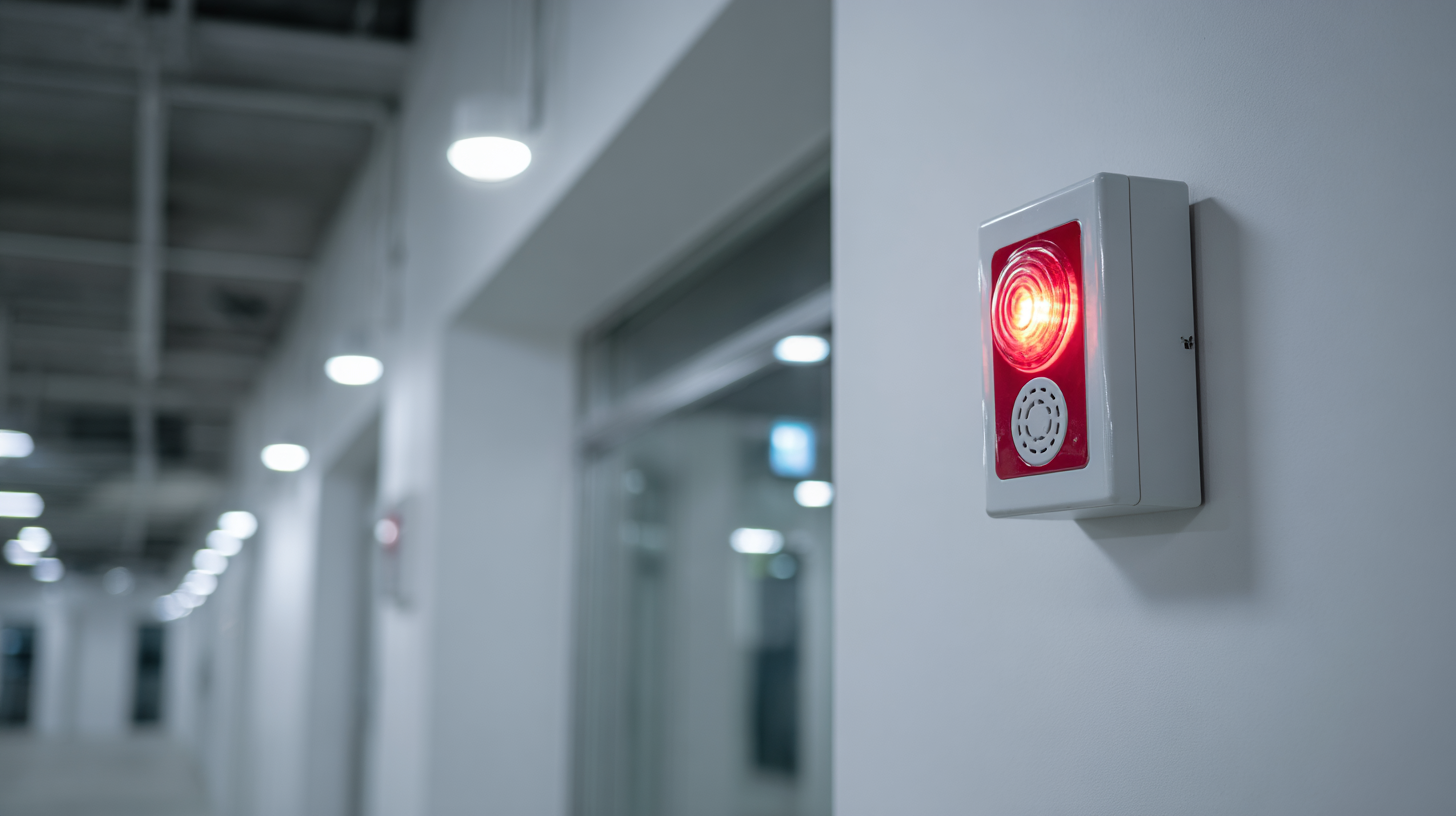
Notification devices alert occupants to evacuate during fire emergencies. Horn strobes, combining audible and visual alerts, cost $40 to $120 per device. Speaker strobes for voice evacuation systems range from $80 to $200 each. Installation pricing varies from $100 to $250 per notification device depending on mounting location and circuit wiring.
Residential fire alarm system installations typically use simpler notification devices, while commercial properties require carefully calculated coverage ensuring adequate audibility and visibility throughout occupied spaces. Security systems fire alarm integration may share notification devices, reducing overall equipment costs while maintaining separate monitoring capabilities.
Voice evacuation capability adds significant costs but provides clearer emergency communication than standard horns. Complete voice evacuation systems cost $5,000 to $25,000 depending on building size, including amplifiers, speakers, and message control equipment.
Manual Pull Stations and Emergency Controls
Manual pull stations allow occupants to manually activate the alarm fire system when discovering fire conditions. Standard single-action pull stations cost $15 to $40, while dual-action models designed to reduce false alarms range from $30 to $70. Weatherproof outdoor models cost $50 to $100.
Installation involves mounting at required heights near exits, running signal wiring, and connecting to control panel circuits. Fire alarm system companies charge $100 to $200 per pull station installation. Code compliance requires specific placement near every exit, potentially requiring numerous devices in larger buildings.
Essential Fire Alarm System Components
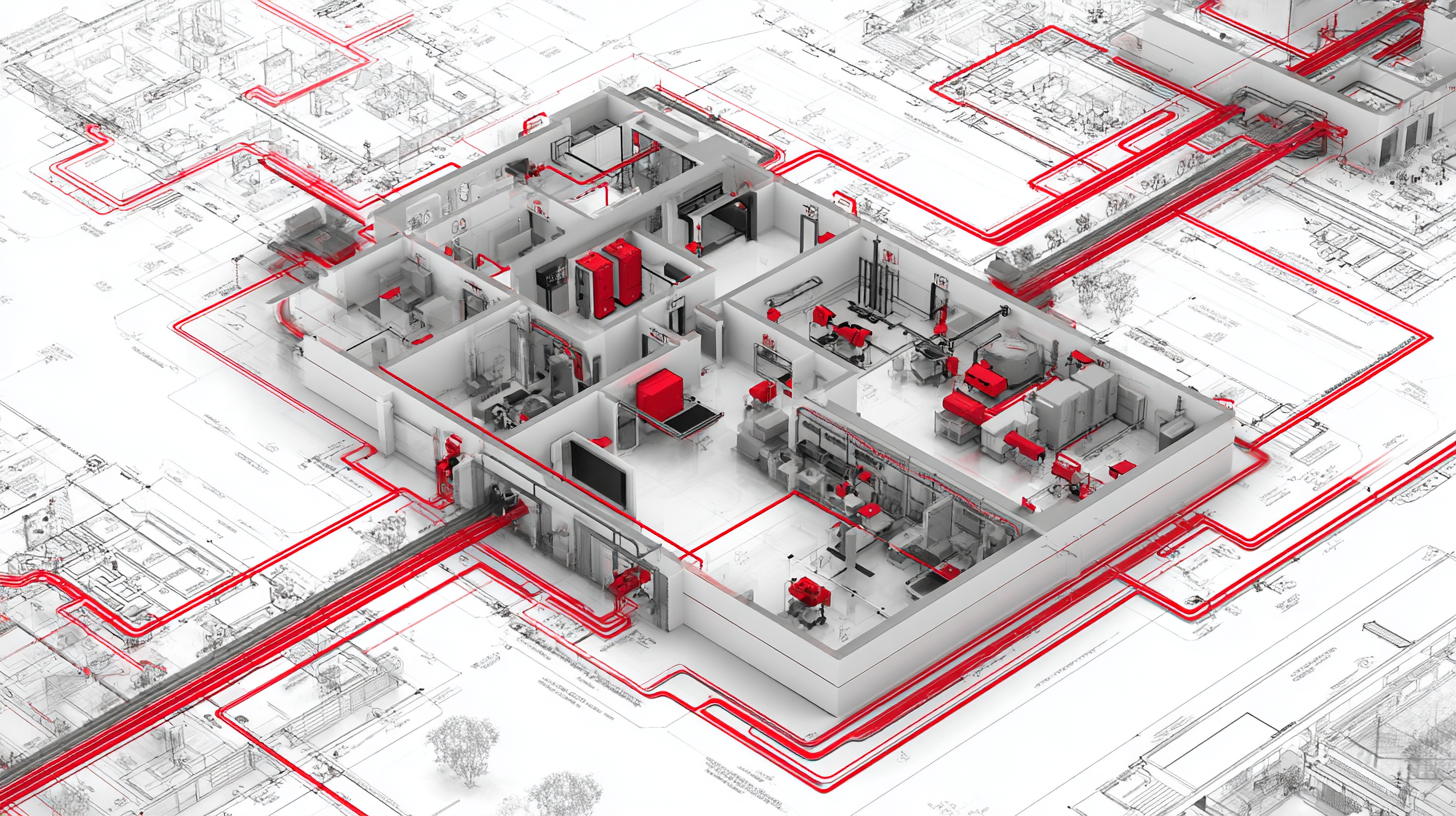
Complete fire detection and alarm system installations include multiple component categories:
- Control equipment including main panels, annunciators, and remote displays for system monitoring
- Initiating devices comprising smoke detectors, heat detectors, manual pull stations, and specialized sensors
- Notification appliances such as horns, strobes, speakers, and combination devices for occupant alerting
- Power supplies including primary transformers, battery backup systems, and power supervision circuits
- Wiring infrastructure featuring fire-rated cables, conduit systems, and proper circuit protection
- Communication equipment for monitoring service connections, network interfaces, and remote diagnostics
- System accessories like detector bases, mounting hardware, protective guards, and testing equipment
- Documentation packages including as-built drawings, programming records, and maintenance schedules
Wiring and Infrastructure Installation
Wiring represents a substantial portion of building fire alarm system installation costs. Fire-rated cables cost $0.50 to $2.00 per foot depending on conductor count and rating requirements. Labor for running wiring through walls, ceilings, and conduit systems typically equals or exceeds material costs.
New construction installations prove most economical since wiring occurs before finishing work. Retrofit installations in occupied buildings require careful coordination, temporary protections, and often cost 50% to 100% more than new construction pricing. Concealing wiring in finished spaces increases labor time and material waste.
Wireless fire alarm systems eliminate most wiring costs but have higher device prices and require reliable battery maintenance programs. For certain retrofit applications, wireless technology provides cost-effective solutions despite higher component pricing.
Monitoring and Maintenance Considerations
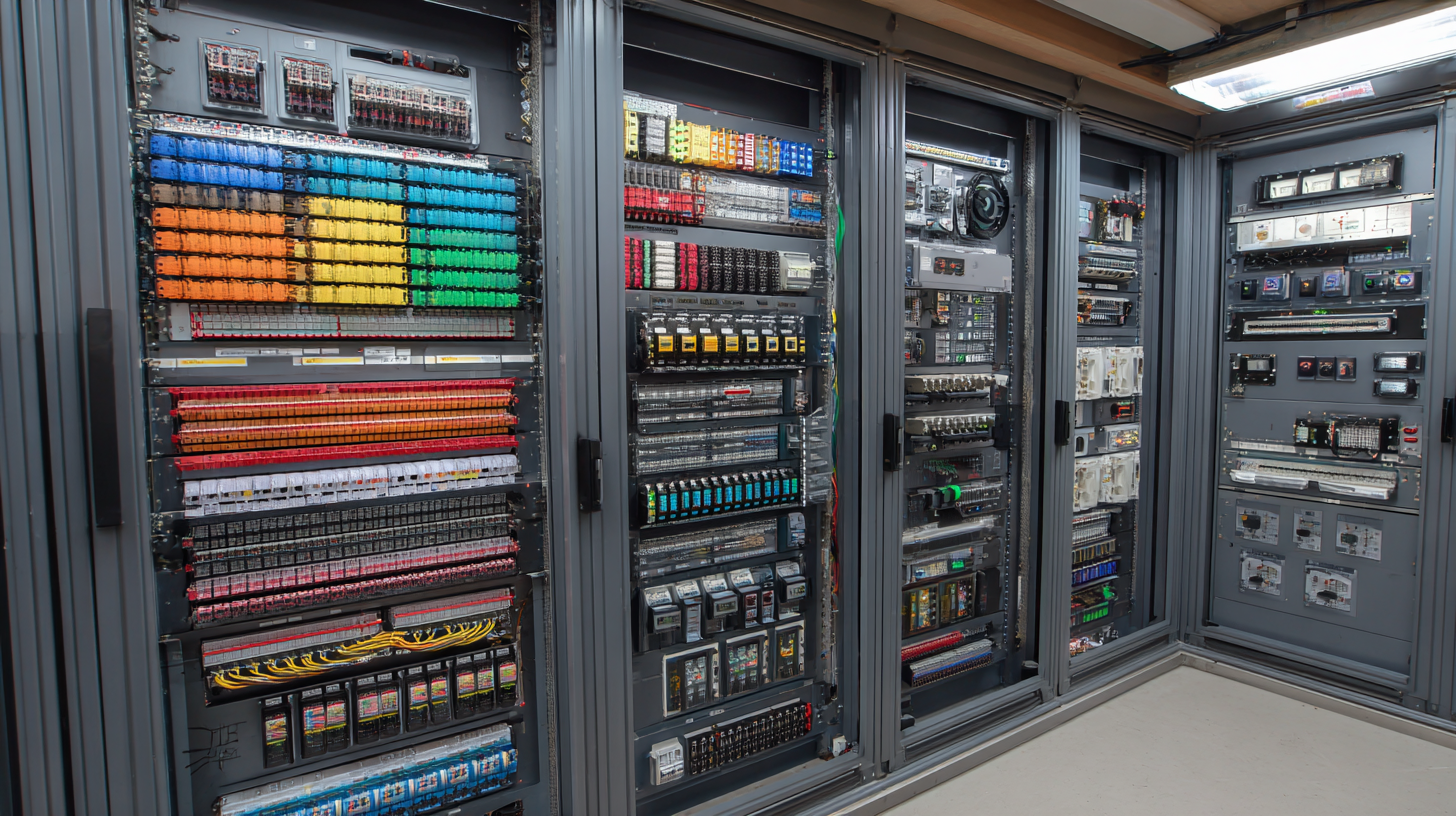
Professional monitoring services ensure rapid fire department notification when fire alarm systems activate. Central station monitoring costs $30 to $100 monthly depending on service level and communication methods. Some jurisdictions require monitoring for commercial properties but allow self-monitoring for residential fire alarm system installations.
Regular maintenance ensures reliable operation and code compliance. Annual inspection and testing costs range from $200 to $1,000 depending on system complexity. Fire alarm system companies often offer maintenance contracts bundling inspections, testing, and minor repairs for predictable annual costs.
Battery replacement represents an ongoing expense, with control panel batteries costing $30 to $150 and lasting 3 to 5 years. Detector replacement becomes necessary after 10 to 15 years as sensor sensitivity degrades, representing significant future costs for larger installations.
Frequently Asked Questions
Is a fire alarm system required by law in NYC buildings?
What is the difference between a smoke detector and a fire alarm system?
How often do fire alarm systems need to be inspected?
What is an addressable fire alarm system?
Can a fire alarm system be connected to a professional monitoring center?
How long does fire alarm system installation take?
Planning Your Fire Alarm Installation Budget
Total installation costs vary dramatically based on property type, system complexity, and local requirements. Small residential fire alarm system installations might cost $1,500 to $3,000, while comprehensive building fire alarm system projects range from $5,000 to $50,000 or more for large commercial properties.
Working with experienced fire alarm system companies ensures code-compliant installations that protect occupants while avoiding unnecessary expenses. At Lock and Tech, we provide detailed cost breakdowns identifying equipment, labor, and ongoing service expenses. Our approach balances life safety requirements with practical budget considerations.
Understanding component costs and installation factors enables realistic project planning. Whether installing new systems or upgrading existing fire detection and alarm system equipment, informed decisions lead to reliable protection and appropriate investment levels for your property’s specific needs.
Contact Lock and Tech for professional fire alarm system design and installation services tailored to your property requirements and budget parameters.