When planning to install security system components for your property, understanding the cost factors helps you budget effectively and make informed decisions. Security system installation for home properties varies significantly based on multiple considerations, from property size to equipment choices. At Lock and Tech, we help clients navigate these variables to find solutions that match their security needs and budget constraints.
Property Size and Layout Complexity
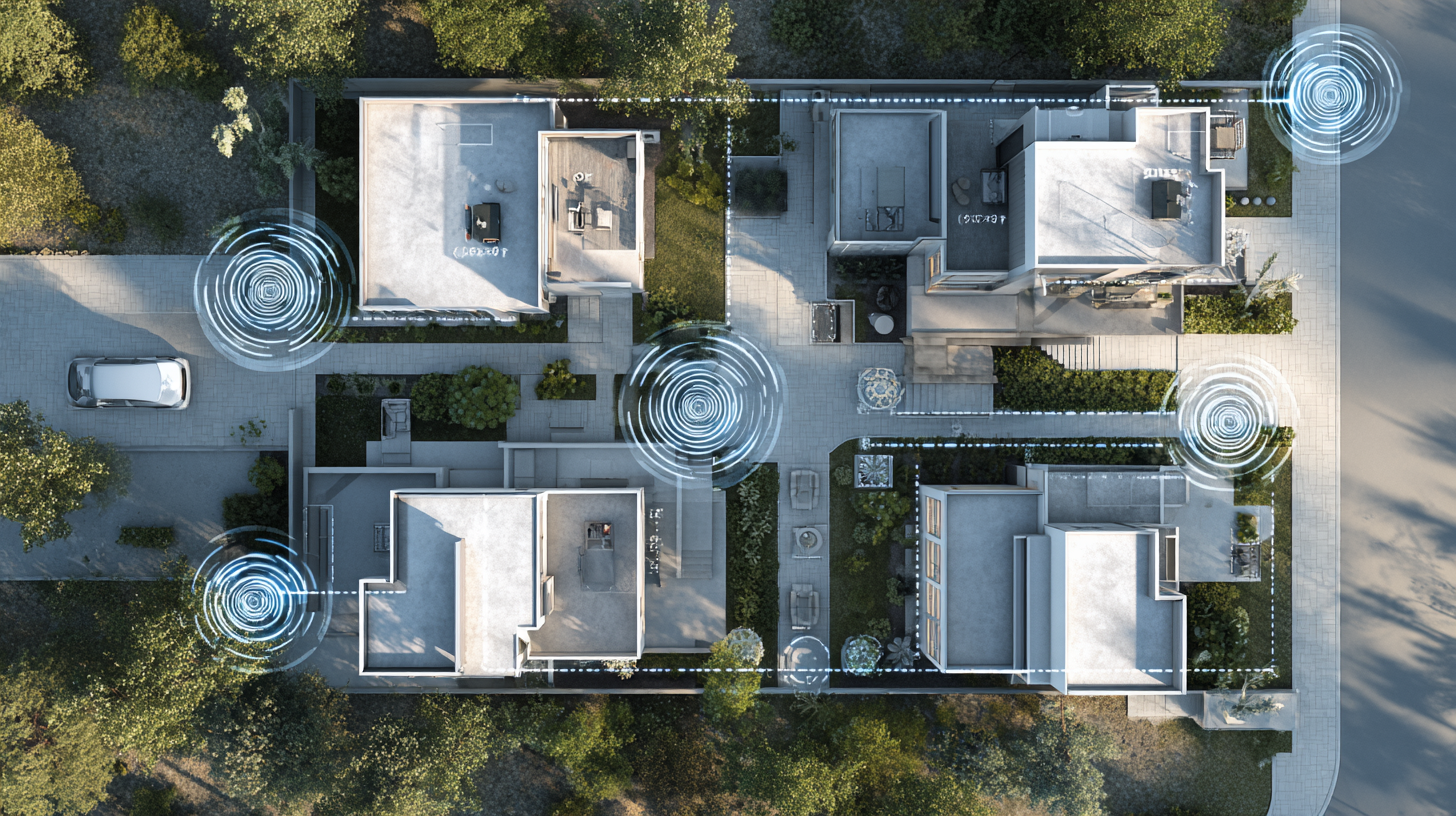
The square footage of your property directly impacts home security systems installation costs. Larger properties require more cameras, sensors, and detection devices to provide comprehensive coverage. A small apartment might need only 2-3 cameras and a basic alarm panel, while a multi-story house could require 8-12 cameras plus numerous door and window sensors.
Layout complexity also plays a crucial role. Properties with multiple entry points, separate structures like garages or guest houses, or unusual architectural features need additional equipment and more complex wiring solutions. Security system companies must account for obstacles like thick walls, multiple floors, and long distances between monitoring points when calculating installation expenses.
Equipment Type and Quality Selection
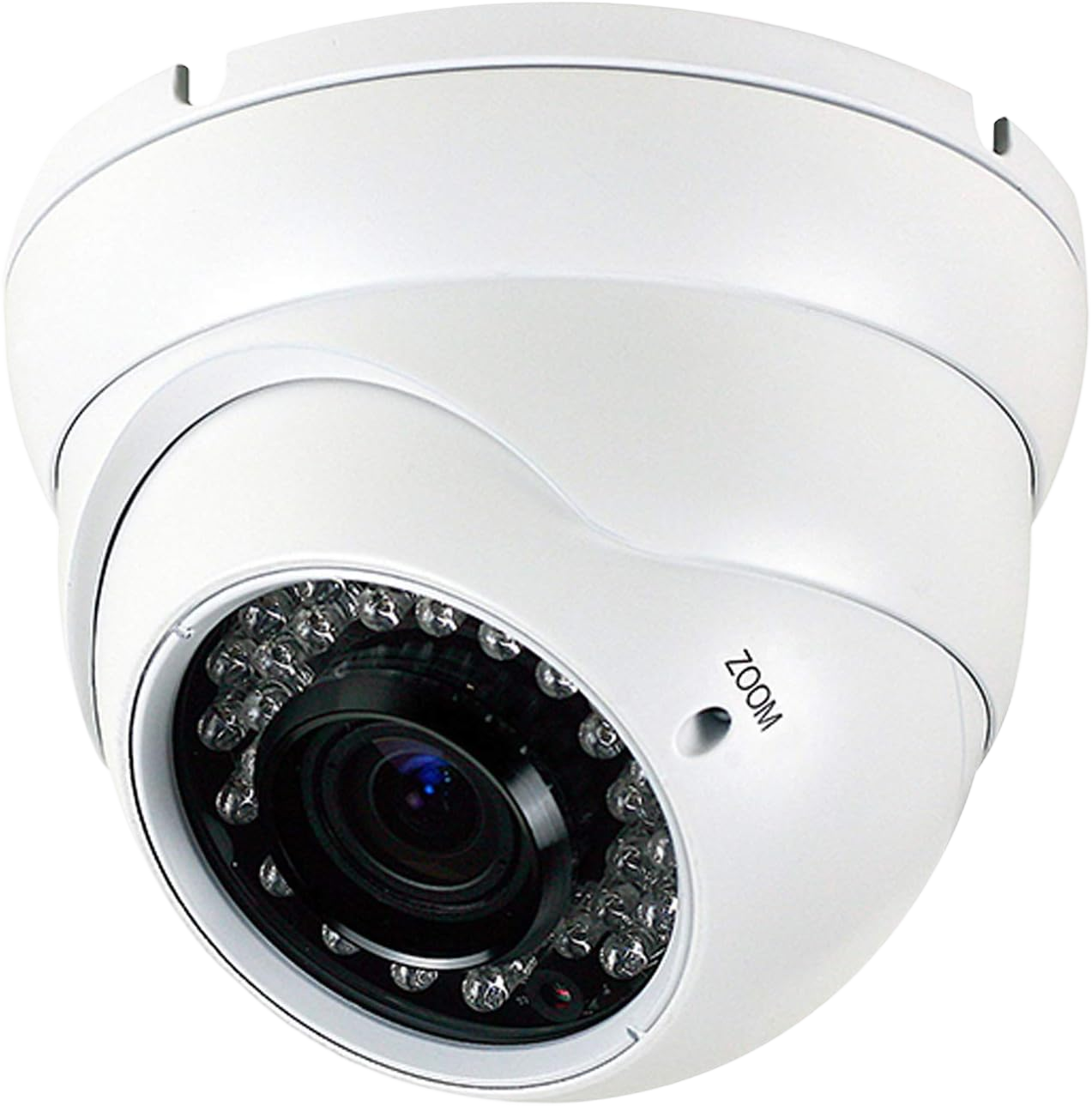
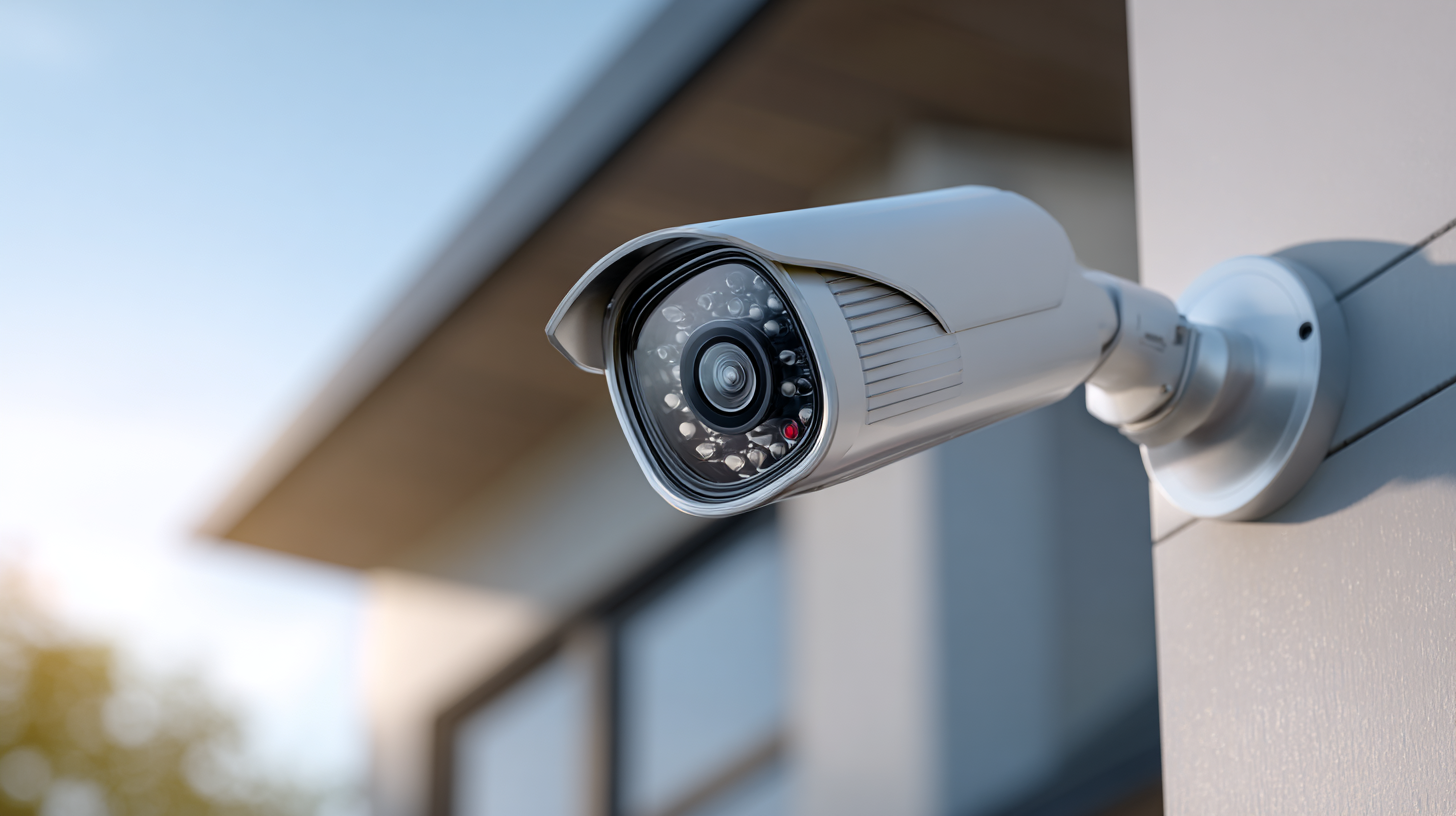
Your equipment choices significantly influence the overall security system installation cost. Basic analog cameras cost considerably less than advanced IP cameras with 4K resolution and artificial intelligence features. Similarly, standard motion sensors are more affordable than smart sensors with pet immunity and smartphone integration.
The decision between wired and wireless systems affects both equipment and labor costs. Wireless systems typically have higher upfront equipment costs but lower installation expenses since they eliminate extensive cable running. Wired systems require more installation labor but often provide more reliable long-term performance with lower maintenance needs.
Professional Installation vs DIY Approach
Hiring a professional security system installer ensures proper installation, optimal camera placement, and reliable system performance. Security system service professionals bring expertise in local building codes, proper wire concealment, and network configuration. While professional installation adds to immediate costs, it often prevents expensive corrections and ensures warranty coverage.
Some homeowners choose partial DIY approaches to reduce expenses. However, complex systems with multiple integration points typically benefit from professional expertise. A qualified security system installer can complete installations faster and troubleshoot issues that might frustrate inexperienced installers.
Key Cost Components in Security System Installation
Understanding individual cost components helps you prioritize your security investment:
- Equipment costs including cameras, control panels, sensors, and recording devices
- Labor charges for professional installation, typically calculated hourly or per camera
- Wiring and cable expenses for running connections through walls, attics, and conduits
- Mounting hardware specialized brackets, weatherproof housings, and junction boxes
- Network infrastructure switches, routers, and ethernet cables for IP camera systems
- Power supplies transformers, PoE injectors, or battery backup systems
- Monitoring services monthly fees for professional monitoring and cloud storage
- Permits and inspection fees required by local authorities in many jurisdictions
- System configuration programming control panels, mobile app setup, and user training
Integration with Existing Systems
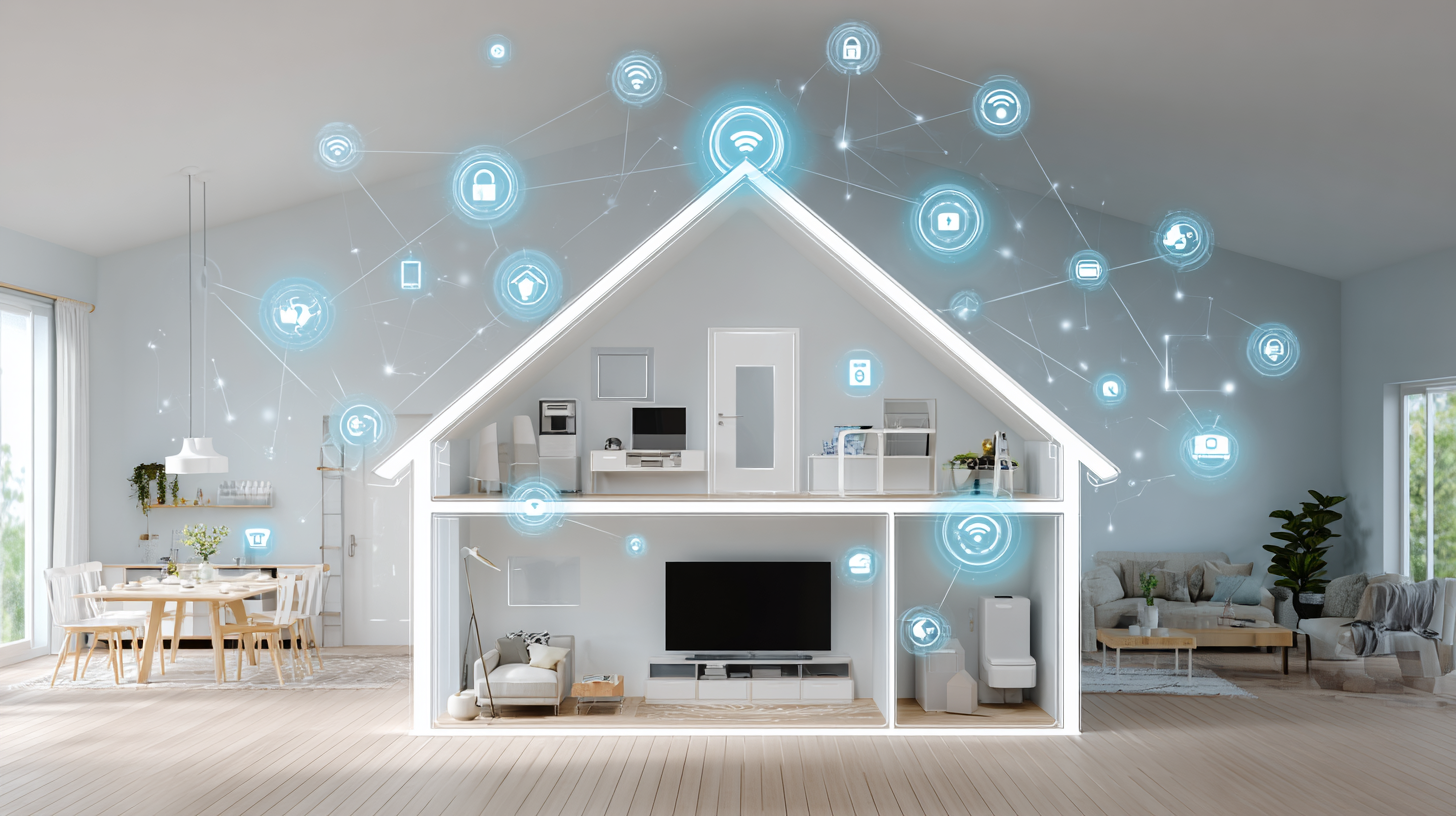
Properties with existing smart home infrastructure or older security systems present unique cost considerations. Integrating new security system installation with current automation platforms may require additional hardware interfaces or software licensing. Conversely, replacing outdated systems might involve removal costs and wall repairs.
Security system companies often provide better pricing when installing complete new systems versus attempting complex integrations. However, preserving certain existing components like control panels or quality cameras can reduce overall investment while upgrading other system elements.
Geographic Location and Market Rates
Installation costs vary significantly by region due to labor rates, permit requirements, and local competition among security system companies. Urban areas typically have higher labor costs but more competitive pricing due to numerous service providers. Rural locations might face travel charges and limited installer availability.
Local building codes and permit requirements also affect costs. Some municipalities require licensed electrical contractors for certain installation types, while others allow specialized security installers. Understanding your area’s specific requirements helps avoid unexpected expenses during the home security system installation process.
Long-Term Considerations Beyond Initial Installation
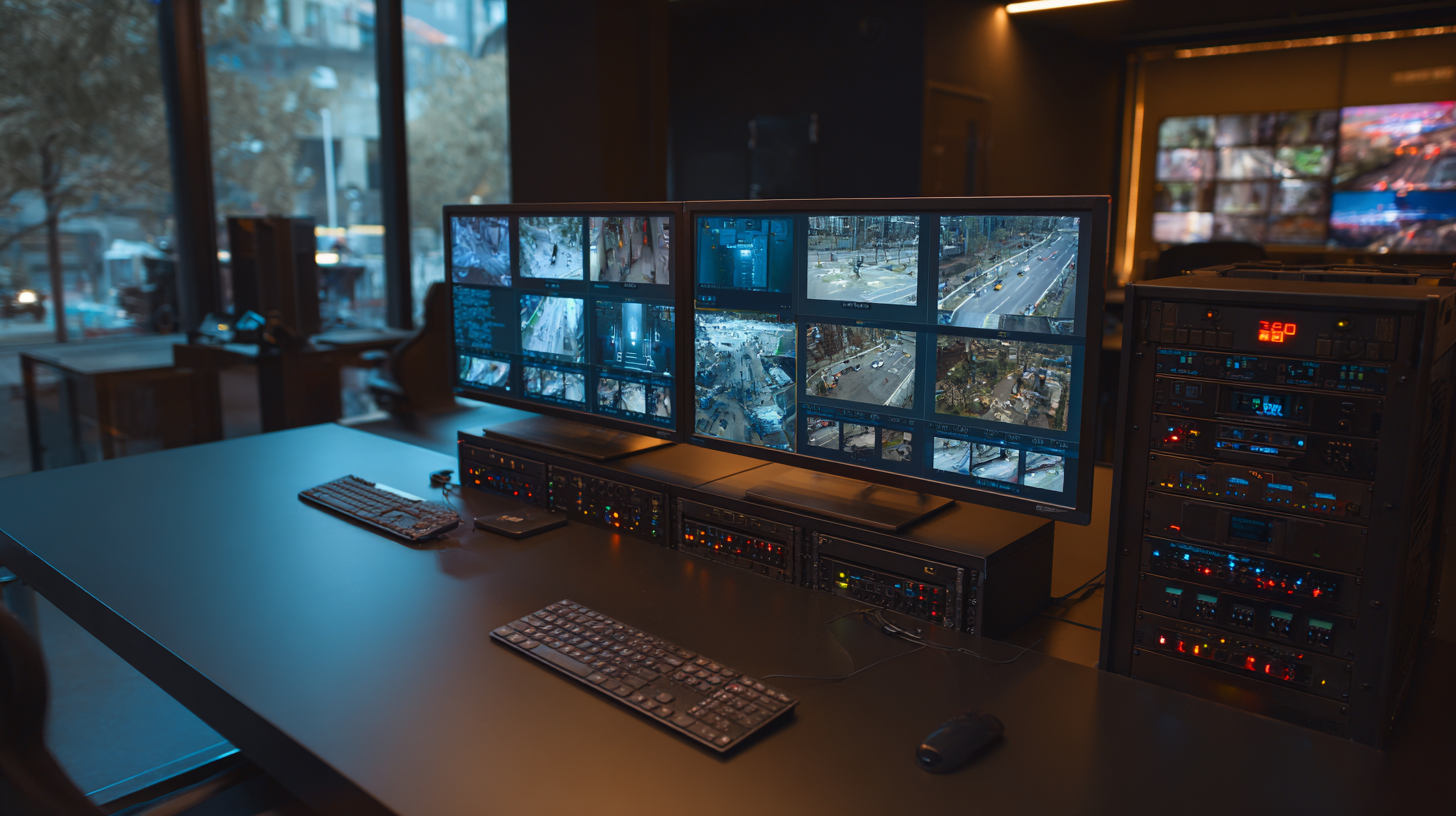
While focusing on installation costs, consider ongoing expenses that affect total ownership costs. Monthly monitoring fees, cloud storage subscriptions, and maintenance contracts add to your security investment. Some security system service agreements include equipment upgrades and priority support, providing value beyond basic monitoring.
Quality equipment typically costs more initially but delivers better reliability and longer service life. Investing in reputable brands supported by established security system companies often proves more economical than frequent replacements of budget equipment.
Frequently Asked Questions
What is the average cost of a home security system installation in NYC?
How long does security system installation take?
What is the difference between monitored and unmonitored security systems?
Do I need a permit to install a security system in NYC?
Can I install a security system in a rented apartment?
Does a security system increase home value?
Making Informed Installation Decisions
The total cost to install security system components depends on balancing immediate budget constraints with long-term security goals. Working with experienced professionals who provide transparent pricing helps you understand exactly what drives your project costs.
At Lock and Tech, we provide detailed estimates that break down equipment, labor, and ongoing service costs. Our security system installation approach prioritizes your specific security concerns while respecting your budget parameters. Whether you need basic monitoring or comprehensive smart home integration, understanding these cost factors enables confident decision-making about protecting your property investment.
Contact our team to discuss your security needs and receive a customized quote that addresses the unique factors affecting your security system installation for home.