
- Home
- Restaurant Security Systems
- Restaurant Alarm Systems
Restaurant Alarm Systems in New York City



Zones That Match How You Close
Since 1989, we’ve been securing homes and businesses across NYC and New Jersey with professional security solutions you can trust. Our licensed technicians provide 24/7 emergency service, using only the latest technology and backed by comprehensive warranties on all installations.


Alarm Coverage for Restaurants, Bars, and Cafes
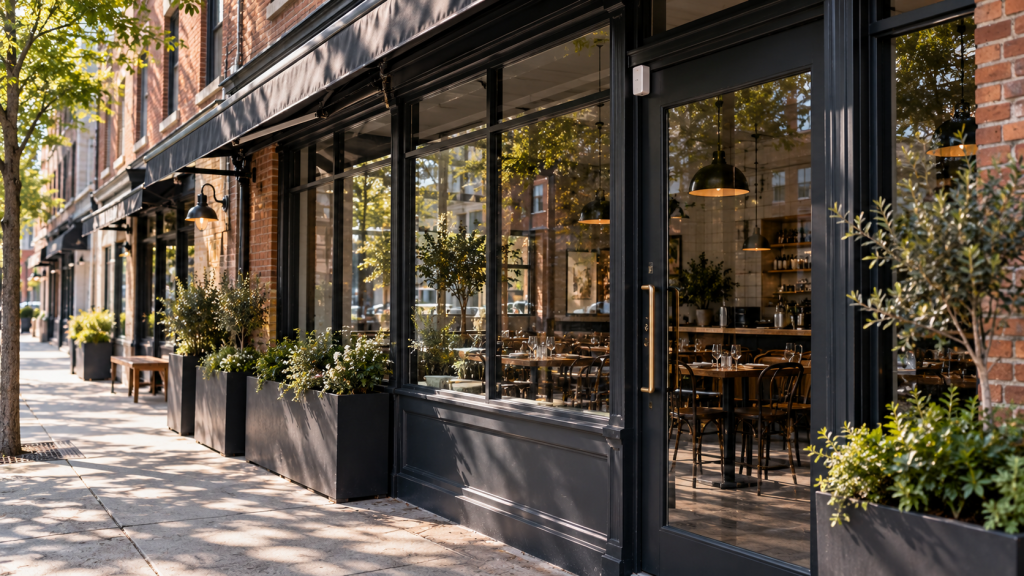
- Front entrance and windows. Glass frontage at street level, which is most of the perimeter in a city venue.
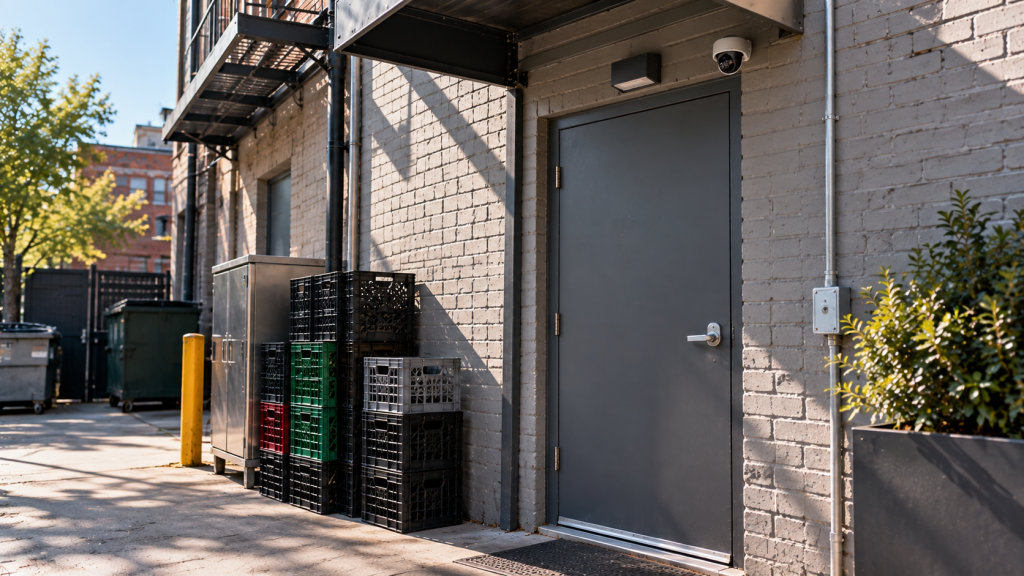
- Service door and delivery area. The opening used before opening hours and after everyone has gone.
- Register and counter area. Covered overnight, when the drawer is empty but the terminal is not.
- Safe and cash office. The room that matters between closing and the morning deposit.
- Liquor storage and stock rooms. Areas worth more per square foot than the dining room.
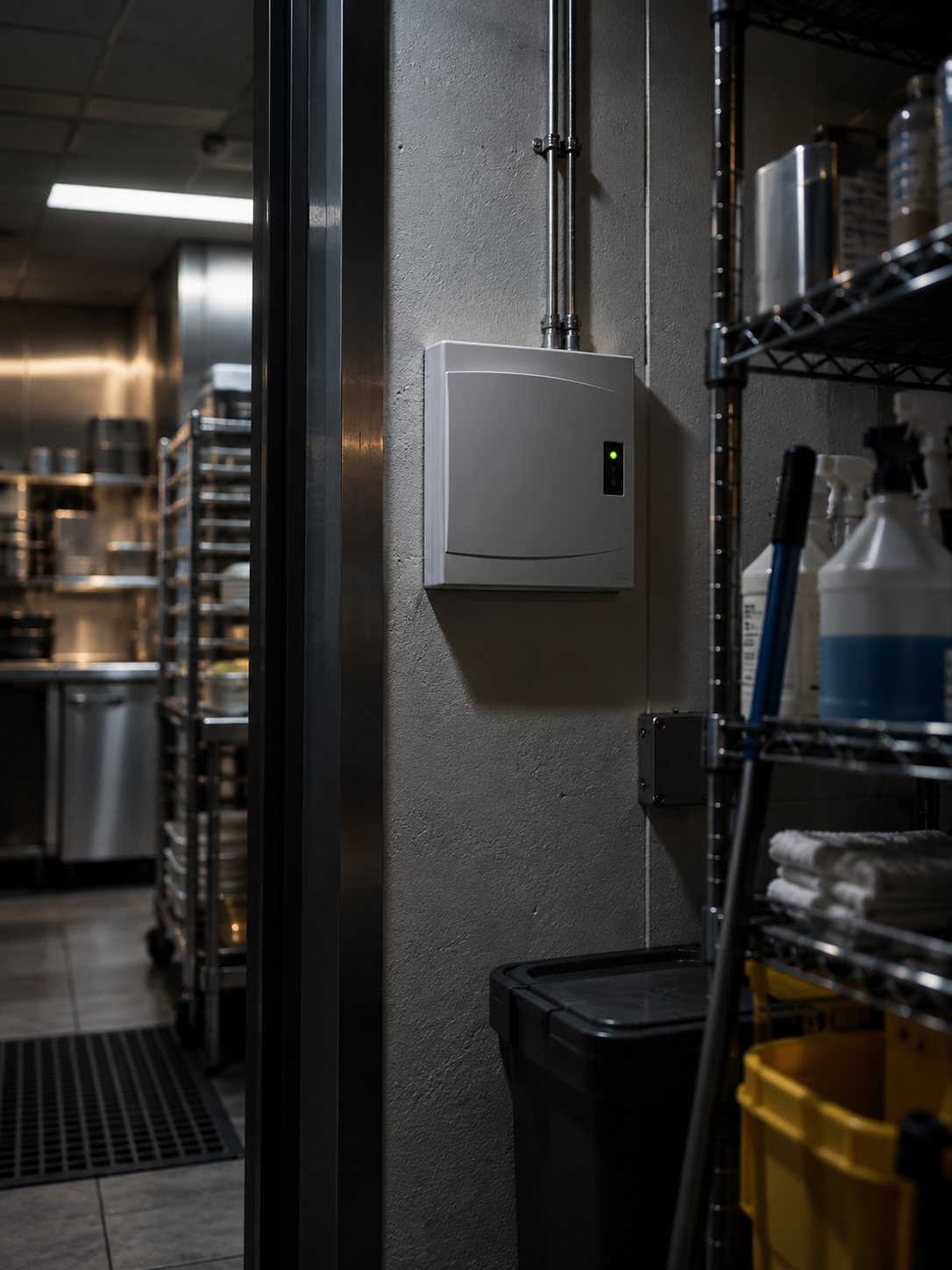
- Kitchen and prep areas. Interior detection tuned around ventilation that keeps running after close.
- Office and back of house. A separate zone, since someone is often still in it after the floor is dark.
A restaurant alarm system is used twice a day by people who are either exhausted or in a hurry — armed at one in the morning by whoever closed, disarmed at six by whoever opens. Everything about how it is designed follows from that. Lock and Tech USA installs alarm systems for restaurants, bars, and cafes across New York City.
What Gets Alarmed in a Restaurant
The protected boundary in a venue is not just the front door. Street-level glass makes up most of the perimeter, the service door works on a different schedule from everything else, and the areas worth the most — the safe, the liquor store, the office — sit inside the building rather than at its edge. The design starts by listing those and works outward. The wider set of systems in a venue is covered under restaurant security systems, and how alarm systems work in general under alarm systems.
Entrances, Windows, and the Service Door
Glass frontage is the largest exposed surface in most city venues, and contacts on doors alone leave it uncovered. Detection for glass sits alongside door contacts rather than replacing them, and outdoor seating stored against the frontage overnight changes what is worth covering and where.
The service door needs treating separately because it operates on its own timetable — opened early for deliveries, used through the evening for waste, and the last thing locked at night. On many sites it is also the door most likely to be found unlocked in the morning, which is exactly the sort of thing a contact reports rather than leaves to memory.
Cash Areas, Safe, and Liquor Storage
Cash sits on site between closing and the morning deposit, and the room holding it deserves its own detection rather than relying on the perimeter. The same applies to liquor storage and stock rooms: they are compact, high value per square foot, and rarely entered outside working hours, which makes any activity in them worth reporting.
Interior detection in these rooms is more useful than more sensors in the dining room, because the dining room is empty and visible from the street while the store room is neither.
Panic Buttons at the Register and Host Stand
A fixed button at the register and one at the host stand give staff a way to raise an event without reaching for a phone. Placement is the whole design: a button is only useful if it is where someone is standing when they need it, and reachable without stepping away.
What follows a press is set on the site rather than assumed. The system creates an event and sends notification to the contacts you nominate; who responds, and how, is agreed with you during commissioning and written into the handover documentation.
Closing, Opening, and Who Has the Code
Most venues run one code that everybody knows. It gets written somewhere near the panel, it passes to new starters on their first shift, and it does not change when people leave. After a year of normal turnover, the number of people who can disarm the building is unknown — which means the log, if anyone looks at it, says nothing useful.
Individual codes fix that at no extra cost. Each person gets their own, and the record shows who armed at close and who disarmed at six, not merely that somebody did. When a member of staff leaves, their code is removed in one operation — no reprogramming for everyone else, no wondering who else was told. Temporary staff and contractors get codes that expire on their own.
Closing itself should not require a tour of the building. Zones can be armed as areas empty, so the dining room and bar go on while someone finishes in the office, and the last zone arms at the door on the way out. Opening works the same way in reverse: the person arriving at six disarms what they need and leaves the rest armed until the floor staff arrive. Where the same doors are also controlled by credential, the two records line up — that side is covered under access control installation.
False Alarms in Food Service Spaces
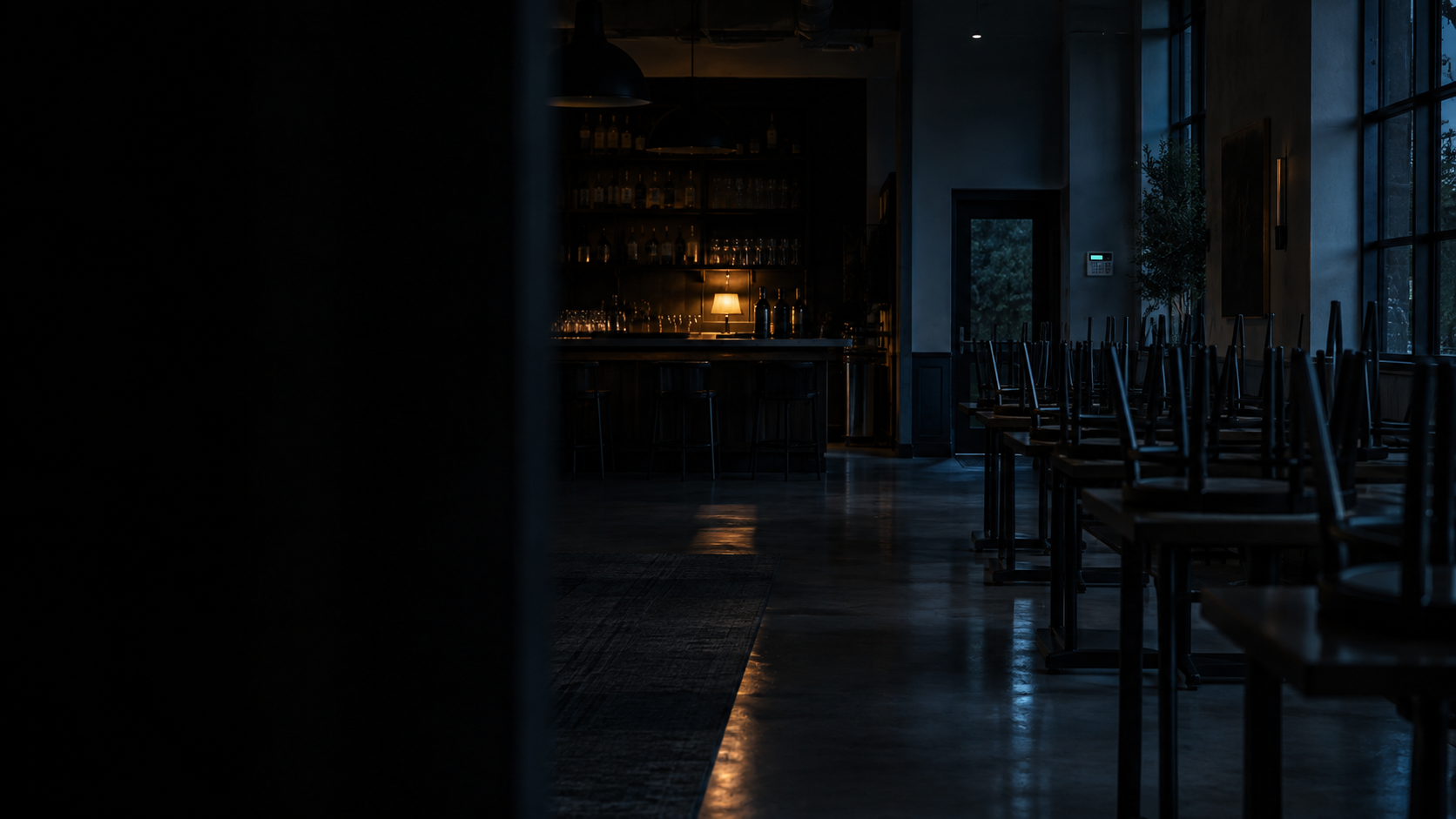
Venues generate false activations for reasons an office never produces, and almost all of them are about air and timing. Ventilation and extraction keep running after close, moving menus, napkins, hanging decorations, and anything light enough to register as movement to a detector placed for an empty room. Equipment on timers — ice machines cycling, refrigeration compressors starting, dishwashers finishing — produces both vibration and sound at hours when nobody expects it.
The rest is human. A delivery arrives before anyone is due and finds the building armed. Someone forgets which zone is live and opens the wrong door. A member of staff comes back for a phone twenty minutes after closing.
The answer is zoning and detector placement rather than sensitivity turned down until nothing is detected. Detectors go where air movement is least and where a person would actually have to pass, zones follow the way the venue closes, and settings are reviewed after a few weeks of real operation — a venue in December behaves differently from the same venue in September.
How the Installation Runs
We work weekdays from 8 to 6, which for a venue means most of the work lands in the quiet hours before service. The survey happens with someone who knows the routine: what time deliveries arrive, when the kitchen starts, who closes and in what order.
Work is staged so nothing is unfinished when a shift begins, and each zone goes into service as it is completed rather than everything switching on at the end. At handover we walk the system with whoever closes as well as whoever opens, since the closing routine is where a system either gets used or gets ignored. Pricing is labor plus material for one total figure, with a signed contract before work begins.
Where We Work
We work in full-service restaurants, bars and cocktail venues, cafes and quick service, venues with outdoor seating, and small groups with more than one location. Where an alarm event needs checking against what was in frame, that pairs with restaurant security cameras. We cover New York City and Brooklyn, along with Queens, the Bronx, Staten Island, and the surrounding areas within our service radius.
Warranty, Service Area, and Payment
Lock and Tech USA backs new installations with a 90-day mechanical warranty and a 12-month electrical warranty, covering both parts and labor. Repairs are not covered by a warranty. We provide installation within 75 miles of Midtown Manhattan and support extended zones, multiple locations, and multi-site service for clients with several properties. Phone and email support is available during business hours.
We accept cash, wire transfer, ACH, credit card, and check, as well as Zelle and Venmo, and we offer invoicing and business accounts for commercial clients. Depending on the size of the job, payment is typically a partial deposit up front with the balance collected on completion. Before starting, we require a signed contract and a tax exemption form if applicable.
Frequently Asked Questions
Can we arm part of the venue while the kitchen is still working?
What happens when a member of staff leaves?
What happens if the power goes out?
How long does the installation take?
What our clients say