
- Home
- Locksmith Services
- Car Key Locksmith
Car Key Locksmith in NYC



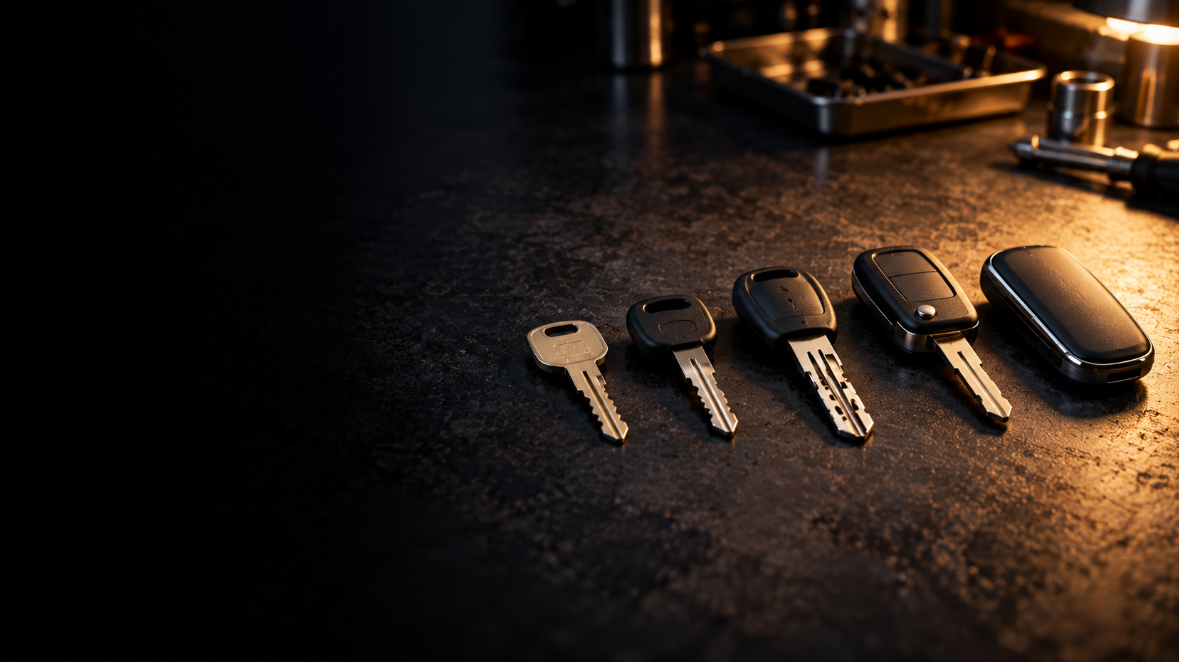
Before a Key Is Cut
Since 1989, we’ve been securing homes and businesses across NYC and New Jersey with professional security solutions you can trust. Our licensed technicians provide 24/7 emergency service, using only the latest technology and backed by comprehensive warranties on all installations.


Car Key Replacement and Programming Requests
- The only key is gone, and the car is parked outside the building.
- The keys stayed in a jacket at a restaurant, and the car has to move in the morning.
- You have one key and want a spare before it disappears too.
- A new copy opens the doors, but the engine won’t start with it.
- The fob buttons stopped working, but the key blade still turns.
- The fob case cracked, and the key blade keeps falling out.
- The key is worn smooth and only works after a few tries.
- The dashboard says the key isn’t detected, even with the fob in your pocket.
- You bought a fob online and need it programmed to the car.
- You bought a used car with one key and don’t know who else has a copy.
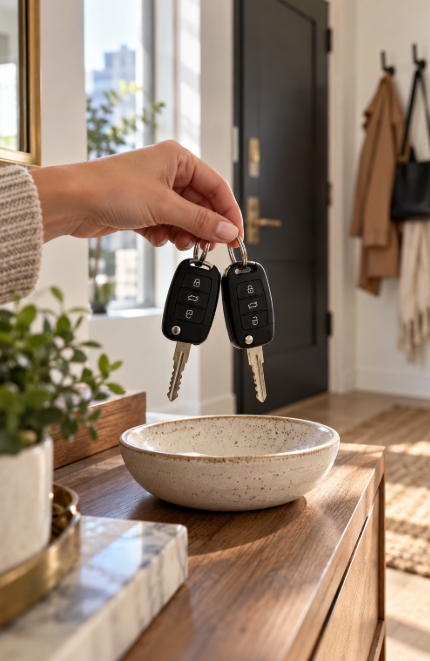
A car key locksmith from Lock and Tech cuts and programs car keys and key fobs where your car is parked, day or night, including weekends and holidays. That covers a replacement after the last key is lost, a spare made from a working key, and a new fob paired to the car. Arrival usually takes 20 to 40 minutes, up to an hour in heavy traffic, and the price for a locksmith car key job is named before any cutting begins.
Replacing a Lost Car Key
Losing the only key doesn’t mean the car has to be towed. A new key can be made without the original in two ways. The first is cutting by code: every key has a code that sets the depth and spacing of its cuts, and with proof of ownership a locksmith can get that code from the vehicle’s records and cut a blank to match. The second is decoding: the locksmith reads the cuts directly from the door lock with a decoding tool, which works when the code isn’t available.
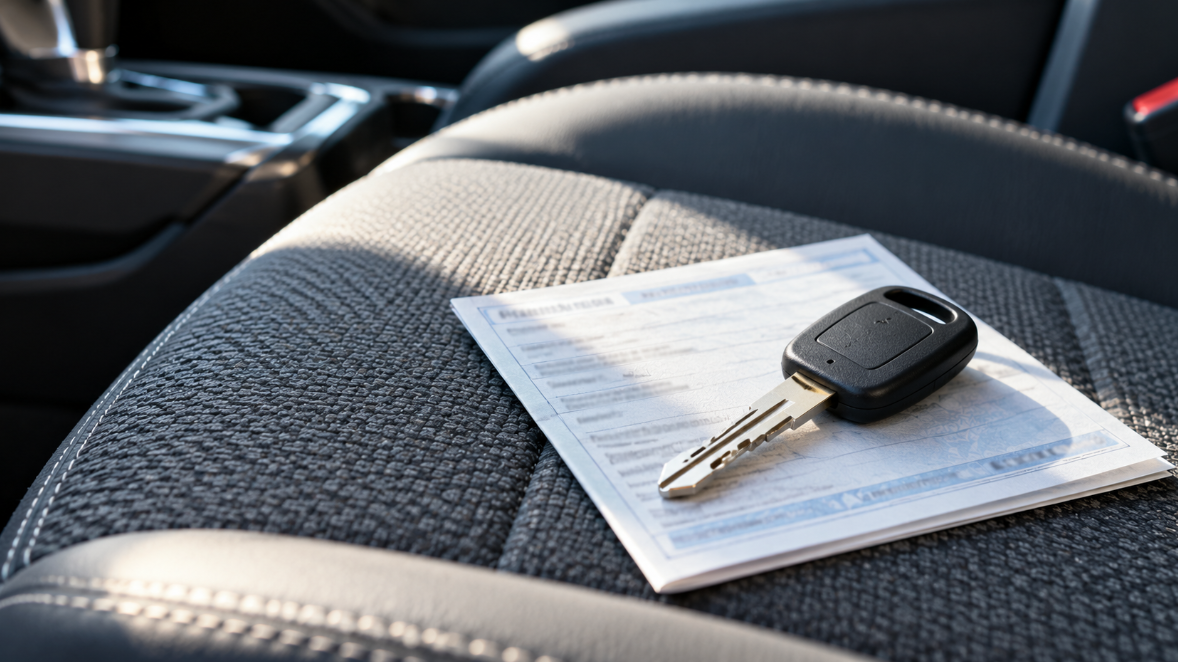
Before a locksmith to make car keys starts, they need to confirm the car is yours. Have the registration or title ready, along with a photo ID that shows the same name. On the call, give the make, model, and year; together they decide which blank and which programming procedure the car needs.
A lost car key with a chip needs one more step. The new key is registered in the car’s immobilizer memory, and on most cars the missing key is deleted from that memory at the same time. After that, the lost key may still turn the door lock with its metal blade, but it will no longer start the engine.
Car key replacement after a loss follows the same order at any hour: the price is named before the key is cut, and the work is done at the car. If the key isn’t lost but locked inside the car, a new key isn’t needed; see our locked-car entry service.
Key Cutting and Spare Keys
When a working key exists, the job is simpler. When you ask a locksmith to copy a car key, the cuts are traced from your key onto a new blank, and the chip is programmed if the key has one. Copying a worn key carries the wear into the copy, so a worn original is usually better replaced by cutting from the code.
Car key cutting follows one of two profiles. Standard keys have notches cut into the edges of the blade. Laser-cut keys, also called sidewinder keys, have a groove milled into the flat face of the blade and need a different cutting machine, which is why many hardware stores can’t duplicate them.
A spare key is worth making while one key still works. Adding a key to a car that already has a working one is a shorter procedure than making a key with none left, and it keeps a lost key from turning into a call at the curb. Keep the spare somewhere other than the car itself.
Key Fob and Transponder Programming
A mechanical key only has to fit the lock. A key with a chip also has to be recognized by the car: the immobilizer checks the chip’s code, and if it doesn’t match, the engine won’t start even though the blade turns. A car key programming locksmith adds the new key’s code to the car’s memory through the diagnostic port under the dashboard.
Transponder Keys
A transponder key has a small chip in its plastic head. The chip needs no battery: the car sends a signal when the key is turned, and the chip answers with its code. When the engine cranks but dies after a second or two, or a security light flashes on the dashboard, the car usually doesn’t recognize the chip. A locksmith that programs car keys can add a new chip key to the car or reprogram a car key that lost its registration, for example after work on the car’s electronics or a battery replacement on some models.
Key Fobs and Push-to-Start Keys
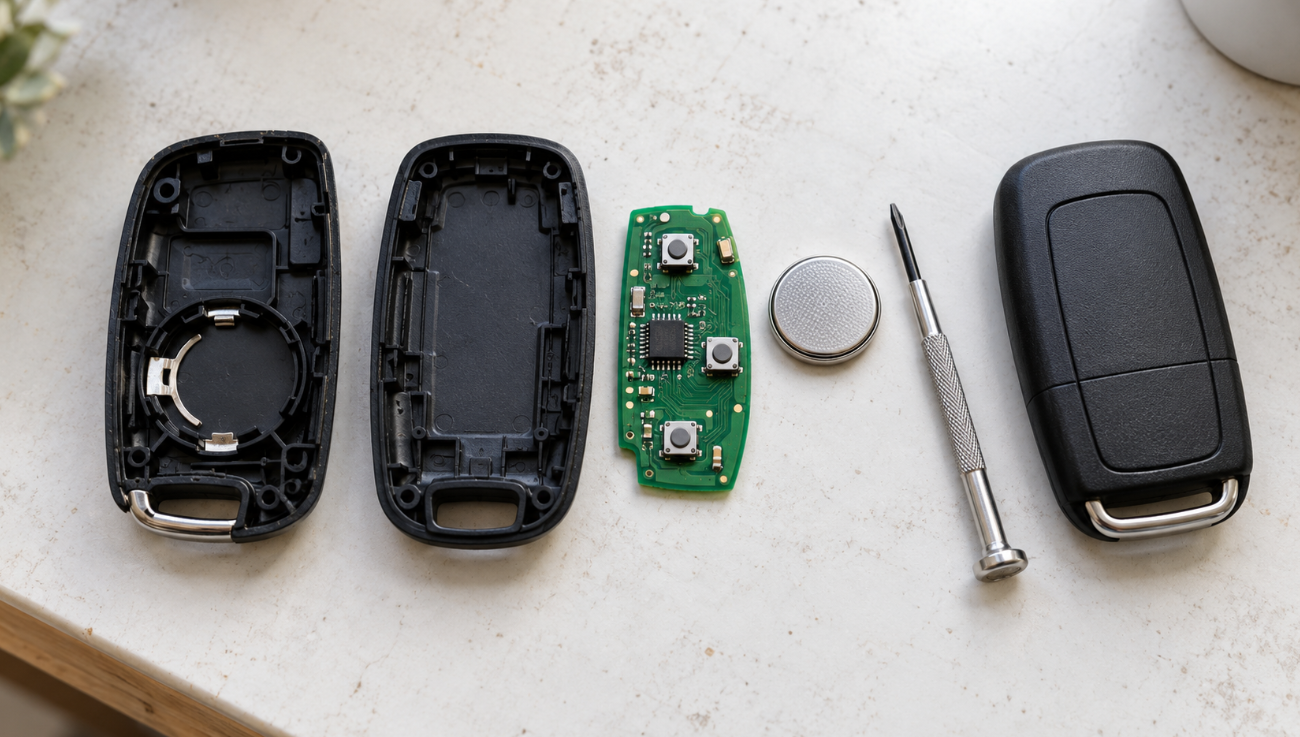
A key fob adds buttons for the locks and the trunk, and a proximity key lets the car unlock and start while the key stays in a pocket. Both carry a battery and a small circuit board, and both have to be paired with the car. When the buttons stop working, the cause is usually the battery, the button contacts, or the case. A cracked case or worn buttons can often be fixed with a new shell and a fresh battery, keeping the original board that is already paired to the car. A water-damaged board or a lost fob means a new fob that a car key fob locksmith pairs to the car. Some older remotes can be paired by the owner; our guide on how to program a key fob explains which ones.
Types of Car Keys
The type of key decides how it is made and whether it needs programming:
- Mechanical keys. A metal blade with no chip, found on older cars and some basic trims. Cutting is the whole job.
- Transponder keys. A standard blade with a chip in the head. Cutting plus programming.
- Laser-cut keys. A groove milled into the face of a thicker blade, usually with a chip. Needs a laser-cut machine and programming.
- Remote-head and flip keys. Blade, chip, and lock buttons in one head, sometimes with a blade that folds out. Cutting, chip programming, and remote pairing.
- Proximity keys. No blade is needed to start the car, which runs on a push button. Most hide a small emergency blade for the door. Programming only, plus cutting the emergency blade.
Locksmith or Dealership for a New Key
Both a locksmith and a dealer can make a working key for most cars. The difference lies in where the work happens and what it takes to get there:
- Where the work is done. A mobile locksmith cuts and programs the key at the car. A dealer does it in its service department.
- Towing. With no working key, getting the car to a dealer usually means a tow. A locksmith comes to the car.
- Waiting. A dealer often orders the key and books a service appointment. A locksmith carries common blanks and fobs and can usually finish in one visit.
A dealer is the right call in some cases. A few newer models restrict programming access to the manufacturer’s own equipment, and keys covered by the car’s factory warranty are replaced through the dealer. Giving the year and model on the phone lets the locksmith say before the visit whether the car falls into that group.
Mobile Car Key Service
A mobile car key locksmith brings the cutting machine, blanks, fobs, and programming equipment to the car, because programming needs the car present. Time on site goes to confirming ownership, cutting the blade, pairing the chip or fob, and testing the doors, the trunk, and the engine start. A car with no working key takes longer than adding a spare, since the immobilizer memory usually has to be cleared first. Lock and Tech works as a mobile locksmith for car keys around the clock; lockouts and ignition repairs are handled by our automotive locksmith service.
What Affects the Cost of a Car Key
Three things set the price: the type of key, whether it needs programming, and whether a working key is still available. A plain metal key involves cutting only. A chip or proximity key adds programming. A job with no working key adds cutting from code and clearing the car’s memory. The price is named before work starts. Typical ranges are covered in our car key replacement cost guide.
Where We Work
Lock and Tech makes car keys across New York City, including Manhattan, Brooklyn, Queens, the Bronx, and Staten Island, and in New Jersey. Keys are made where the car is: a driveway, a street spot, an office lot, or a garage under a residential building. If the car sits in a garage with an attendant, mention it on the call so the technician can get in.
Warranty, Service Area, and Payment
Licensed technicians handle every job. Key cutting, programming, lockout entry, and repairs don’t carry a warranty. New lock parts installed during a call carry a warranty of 90 days on mechanical components and 12 months on electronics.
The service area runs 75 miles from Midtown Manhattan. The price is named before work begins, and payment can be made by cash, credit card, ACH, wire transfer, check, Zelle, or Venmo.
Frequently Asked Questions
Can a locksmith for car keys make one without the original?
In most cases, yes. The key is cut by code from the vehicle’s records or by decoding the door lock, then programmed to the car. Have the registration or title and a photo ID with the same name ready.
What happens to the key I lost?
When the new key is programmed, the lost one is usually deleted from the car’s memory, so it can no longer start the engine. Its metal blade may still open the doors.
Can you program a fob I bought online?
It depends on the fob. It has to match the car’s frequency, chip type, and button layout, and some used fobs stay locked to another car. Compatibility is checked before programming starts, so you know whether the fob will work.
My fob stopped working. Is it the battery?
Often it is. Short range and buttons that work only up close point to a weak battery. Our guide on changing the battery in a key fob shows how. If a new battery doesn’t help, the fault is in the contacts, the board, or the pairing.
How many keys should I have for my car?
At least two working keys, kept in different places. Making a spare while one key still works is simpler than replacing the last one.
Do you make car keys at night?
Yes. Car key calls are taken around the clock, including weekends and holidays. Arrival usually takes 20 to 40 minutes, up to an hour.
What our clients say


