
- Home
- Telecommunications Services
- Business Telephone Systems
Business Telephone Systems and Installation in New York City



Cut Over After Hours
Since 1989, we’ve been securing homes and businesses across NYC and New Jersey with professional security solutions you can trust. Our licensed technicians provide 24/7 emergency service, using only the latest technology and backed by comprehensive warranties on all installations.


Telephone Systems for Business Properties
- Offices. Handsets at every desk, reception routing, and a dial plan that matches how the team is actually organized.
- Multi-floor tenancies. One system across several floors, with extensions and paging that work between them.
- New offices and relocations. Phones planned alongside the cabling before the space is occupied.
- Retail and showrooms. A small number of lines, a shared handset behind the counter, and calls that roll over instead of dropping.
- Warehouses and mixed sites. Wireless handsets on the floor, desk phones in the office, both on the same system.
- Medical and dental practices. Front desk queues, hold handling, and separate extensions for treatment rooms.
- Home offices and small suites. A few lines and extensions set up the same way as a larger office, at that scale.
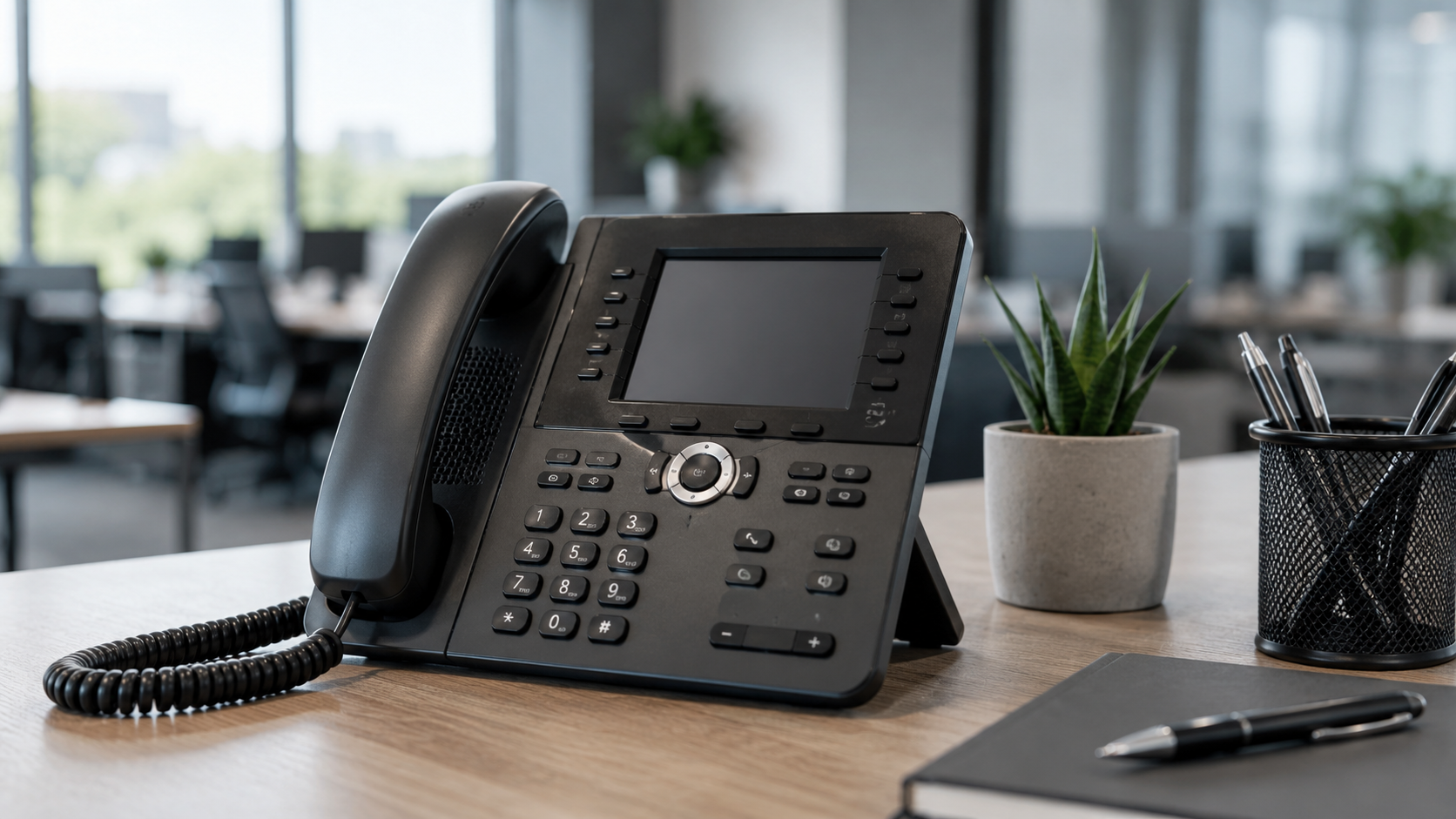
Business telephone systems are what an office actually runs on — the handsets on the desks, the lines behind them, and the routing that decides which phone rings. Lock and Tech USA installs and configures those systems for offices across New York City, from a few extensions in a suite to several dozen across multiple floors. We handle the cabling, the equipment, the numbering, and the cutover from whatever you have now, on weekdays between 8 and 6.
Business Phone System Installation
A phone system install is four jobs stacked on each other: getting cable to every position, mounting and powering the equipment, programming numbers and call flow, and moving your existing calls onto the new setup without losing any. The last one is where installations go wrong. We plan it first and schedule the rest around it.
What the Installation Includes
The survey comes first — how many positions, where they sit, what runs there already, and what your current lines are. Cable is next: each handset position needs a run back to the equipment location, and in an older building that is usually the part that decides the schedule. That side of the work is covered under data and voice cabling. Then the equipment goes in and gets powered and networked. Programming follows — extensions assigned, a dial plan built around how the team is organized, reception and after-hours routing, voicemail boxes, hunt groups for shared lines. Testing closes it out: every extension called from outside, every transfer path walked, every voicemail box checked before we leave the site.
How Long It Takes and What Happens to Your Phones
A small office of a few positions is generally a single day. Several dozen positions across floors runs longer and gets split into stages, with the cable work done while the old system is still answering.
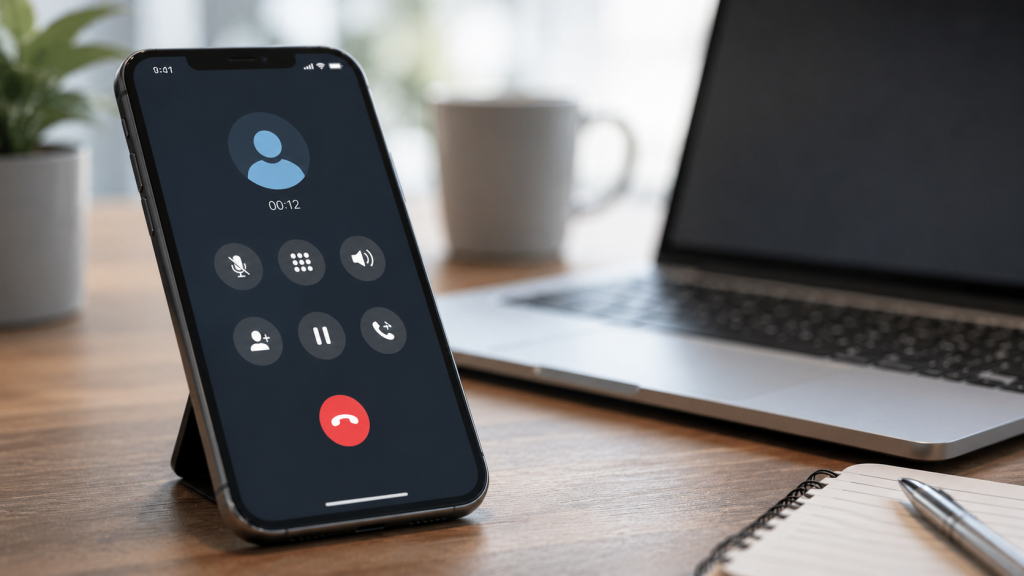
Your existing phones stay live until the new system is tested. The cutover itself — the moment calls move across — is short, and we put it outside your working hours where the setup allows it. Numbers carry over, so nothing your customers dial changes. If something needs adjusting in the first days of use, dial plan and routing changes are made remotely or on a return visit.
New Offices and Office Moves
A move is the easiest time to do this work and the worst time to leave it late. In an empty space, cable goes in before furniture and walls make it expensive, and the phone positions get planned with the data positions rather than after them — that combined build is structured cabling. We survey the new space before the move date, get the equipment in and programmed ahead of occupancy, and time the cutover to the day you actually start working there, so the office opens with phones already answering.
Types of Business Phone Systems
The differences between systems come down to how calls travel and what has to exist in your building for them to work. There are three practical answers, and the right one usually follows from what is already installed and how reliable your internet is — not from a feature list.
VoIP Systems
VoIP carries calls over your data network instead of dedicated phone lines. A voip phone installation therefore depends on the network as much as the handsets: enough bandwidth for the number of simultaneous calls, switches that supply power over Ethernet to the desk phones, and traffic prioritization so a large upload does not degrade a call in progress. We check all three before quoting. Where the network cannot support it, we say so at the survey rather than after the install, and where wireless coverage is part of the picture, the network side is handled as wireless network installation.
Digital and Hybrid Systems
Plenty of offices have working equipment they have no reason to replace. A hybrid setup keeps existing digital handsets and lines in place while adding capacity or new positions on top, which is the usual answer when a business expands into adjacent space or takes another floor. It is also the fallback when the network cannot carry voice reliably. We survey what is installed, confirm what still functions, and reuse it where reusing it is the cheaper honest answer.
Wireless Telephone Systems
Wireless handsets suit anyone who does not answer calls from a desk — a warehouse floor, a showroom, a practice with treatment rooms, a restaurant kitchen. Wireless telephone systems for small business offices commonly mix a handful of cordless handsets with desk phones at reception, all on one system with one dial plan, so an extension rings wherever that person happens to be. Coverage gets checked across the actual floor area before the equipment list is set.
Telephone Systems for Small Business and Multi-Line Setups
Telephone systems for small business offices run on the same equipment as larger ones, sized down. What matters at five to fifty positions is line count and call flow: how many calls can come in at once, what happens to the second and third caller while the first is being handled, and who picks up when reception is away. We build multi-line setups where calls roll over instead of hitting a busy signal, shared lines ring in groups, and an auto-attendant answers outside hours with the options you specify. Departments get their own extensions and voicemail boxes, and a small office does not need a full-time administrator to run any of it — routing changes come back to us. Where a conference room is part of the build, the room audio and video side is its own job, covered under video conference solutions.
Phone System Repair and Reconfiguration
Not every call is a new install. We repair and reconfigure systems already in place: handsets that stopped registering, lines that dropped after a network change, extensions that need reassigning after staff moves, routing that no longer matches how the office works. We service systems we did not install, though the survey takes longer when there is no documentation of the original build — an undocumented dial plan has to be traced before it can be changed. Repair work is quoted the same way as installation, labor plus material, and it does not carry the installation warranty.
What We Install
- VoIP phone systems for offices of any size
- Digital and hybrid systems using existing equipment
- Multi-line and rollover configurations
- Desk handsets and conference room phones
- Cordless and wireless handsets
- Auto-attendant and after-hours routing
- Voicemail boxes and hunt groups
- Extension and dial plan programming
- Power over Ethernet switches for handset positions
- Equipment racks, mounting, and cable termination
- Number porting and line cutover
- Repair and reconfiguration of existing systems
Where We Install
We work in single-floor offices, multi-floor tenancies, and whole-building occupancies, in coworking suites and private offices, in retail spaces and showrooms, in warehouses and mixed office-and-floor sites, in restaurants and bars, and in medical and dental practices. Home offices and small suites get the same setup at a smaller scale. We cover New York City and Brooklyn, along with Queens, the Bronx, Staten Island, and the surrounding areas inside our service radius. Businesses with several addresses can keep them on one system with extensions that dial between locations.
Our Installation Process and Pricing
Work starts with a consultation and a site survey. We count positions, look at what is installed and what condition the cable is in, and ask how calls actually come in — who answers first, what happens after hours, which lines are shared. That produces the equipment list and the schedule, including the cutover window.
On site we pull and terminate cable, mount and power the equipment, program the dial plan, and test every extension and route before the changeover. The cutover is placed to keep the office working. When it is finished we walk your team through the system and leave the dial plan documented, so the next person who has to change an extension is not guessing.
Pricing is labor plus material for one total figure, itemized against the equipment list. On larger jobs payment is a partial deposit up front with the balance on completion, and a signed contract goes in place before work begins. Installation carries a 90-day warranty on the mechanical side and 12 months on electronics, covering parts and labor. Repair visits are not covered by that warranty. We work weekdays from 8 to 6, with cutover work scheduled outside those hours when the job calls for it.
Warranty, Service Area, and Payment
Lock and Tech USA backs new installations with a 90-day mechanical warranty and a 12-month electrical warranty, covering both parts and labor. Repairs are not covered by a warranty. We provide installation within 75 miles of Midtown Manhattan and support extended zones, multiple locations, and multi-site service for clients with several properties. Phone and email support is available during business hours.
We accept cash, wire transfer, ACH, credit card, and check, as well as Zelle and Venmo, and we offer invoicing and business accounts for commercial clients. Depending on the size of the job, payment is typically a partial deposit up front with the balance collected on completion. Before starting, we require a signed contract and a tax exemption form if applicable.
Frequently Asked Questions
How do you install a business phone system without stopping the office?
Which system suits an office of our size?
Do we keep our existing phone numbers?
Can you reuse the phones and cabling we already have?
Do you service a system your company did not install?
What does the installation cost?
What our clients say